


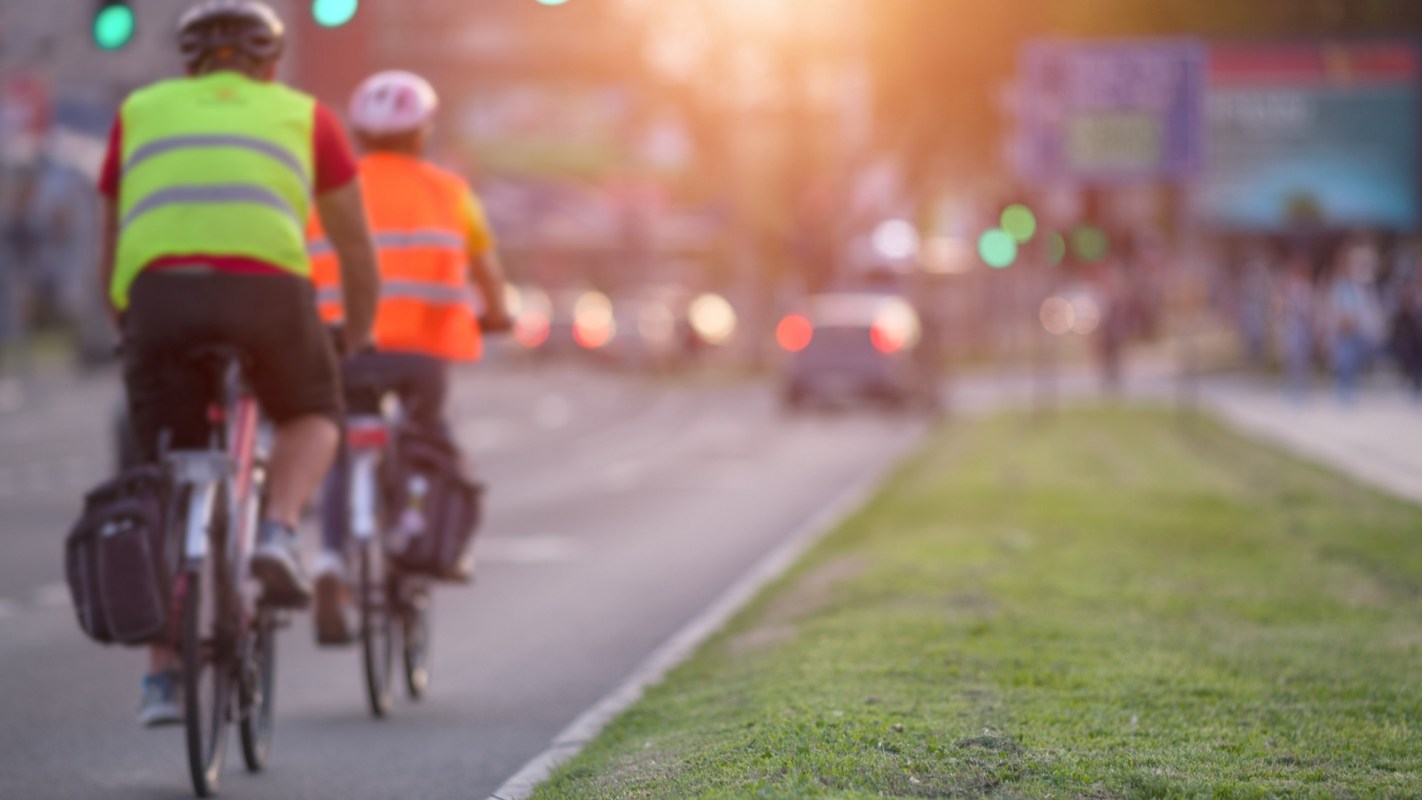
Summer bike rides are a classic fun activity — until the heat turns punishing and even the air becomes part of the problem.
That tension was on full display when a cyclist in the Vancouver area asked fellow riders where they draw the line on dangerously hot weather. Many said temperature alone is not the biggest concern.
What's happening?
In a recent discussion on Reddit, the rider wondered if heading out was even realistic: "I want to go for a ride but I feel like I would not be able to last very long in this weather."
They described the conditions this way: "I live in the Vancouver, Canada area and right now it's 35 C degrees where I am, which is 95 F. The humidex is 43 C/109 F. Really bad air quality, too."
Riders' tolerance for heat varied widely. Some said they can handle high temperatures with enough water, breaks, and a shorter route. Others said humidity can be even harder to deal with than dry heat, with one commenter writing, "It's not heat but humidity."
Poor air quality was a much firmer cutoff than the number on the thermometer. As one commenter put it, "I'll never do bad air quality though. It's just not worth it for me."
TCD Picks » Quince Spotlight
💡These best-sellers from Quince deliver affordable, sustainable luxury for all




Why does it matter?
Outdoor routines can quickly become unsafe when extreme heat and smoke overlap. A ride that might feel manageable in 95-degree weather can become much more difficult when the humidex climbs past 100 and wildfire haze worsens air quality.
Even experienced riders in the thread described adjusting their plans rather than trying to push through those conditions.
One commenter said, "If you're not used to it, it would probably wreck you," while another noted, "I generally like to get off the road before the temperature hits 90 F."
What can I do?
Several commenters said they ride early in the morning or after sunset to avoid the worst of the heat. One summed it up simply: "If it's hot I ride early or at night."
Others said shorter rides, shaded routes, and frequent stops can make a major difference. One rider shared that they do their "best to be home by 10am," while another said a typical cooldown break can last "between 20-45 mins depending on day and location."
Frequent hydration and cooling strategies are also a must. Commenters described carrying extra water, refueling in the shade, and watching for warning signs, such as suddenly feeling overwhelmed by the heat.
Still, the strongest consensus centered on smoke. When wildfire smoke moved in, one commenter said, "my a** is on the couch, not the bike."

Get TCD's free newsletters for easy tips, smart advice, and a chance to earn $5,000 toward home upgrades. To see more stories like this one, change your Google preferences here.







