


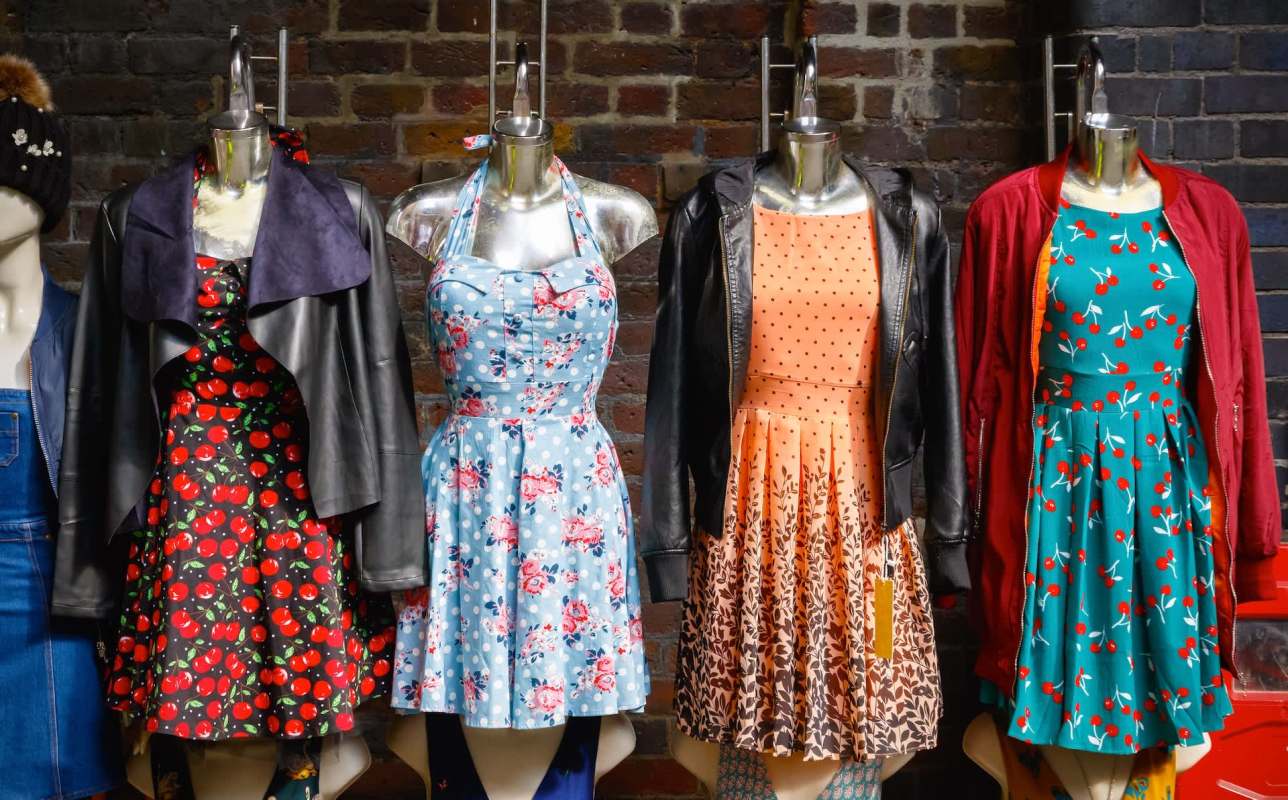
For many Gen Z shoppers in St. Louis, Mo., weekend clothing hunts are increasingly happening somewhere other than the mall. Thrift stores and vintage pop-ups are attracting them with lower prices, more individual style, and the possibility of finding a rare piece that feels uniquely their own.
What's happening?
St. Louis Public Radio reported that secondhand clothing is taking on a larger role in how young people in St. Louis shop, based on conversations with shoppers, market founders, and sustainability advocates.
Zoe Pietrzak, a frequent thrift shopper and junior at Washington University, described the appeal in simple terms: "I don't go to the mall anymore because I know I'm going to find something I love just as much as anything I would find there for half the price at a thrift store."
One example of that momentum is the monthly Drop Soda Vintage Market, founded in 2024 by co-founders Emily Ortiz and Hannah Valentine. The market moves between indoor and outdoor locations around the St. Louis area, includes about 20 vintage vendors, and sometimes features sellers bringing as many as 1,000 pieces.
Upcoming Drop Soda pop-ups will run from 9 a.m. to 3 p.m. on July 25 at Living Room Coffeehouse in Maplewood and on Aug. 1 at RYZE Studio STL in St. Louis.
Why does it matter?
Ortiz spoke to the practical side when discussing her 8-month-old son: "I thrift everything for him because there are already so many things that have been made."
TCD Picks » Quince Spotlight
💡These best-sellers from Quince deliver affordable, sustainable luxury for all




There is also an environmental upside. Reusing clothes helps keep textiles in circulation longer, reduces demand for newly manufactured items, and can curb some of the waste tied to fast fashion.
Cassie Hage, assistant director of the Office of Sustainability at Washington University, said younger shoppers are motivated by more than price alone: "There's always the economic case, and a lot of [young people] are driven by the sustainability case. And then the thrill of the find is another huge driver."
Social media also appears to be helping erase the old stigma around secondhand shopping, making reuse feel stylish rather than second-best.
What can I do?
If you want to thrift more often, experts in the story recommend starting small. Hage suggested looking beyond stores and building reuse habits with friends and family, whether that means swapping clothes, passing down household goods, or donating items in good condition.
She also offered a practical reminder: "Take care of the things that you have, knowing that you're going to donate it going forward. Clean them, repair them and then pass it along."
Valentine recommended going in with a little inspiration, such as a photo of an item or aesthetic you like, and then seeing what turns up at a vintage market or thrift store. That can make it easier to shop intentionally while still leaving room for surprise.
For more ways to save money and cut waste through secondhand shopping, check out the TCD Guide's page on thrifting. It can be an easy way to spend less, keep usable goods out of landfills, and maybe even score a valuable one-of-a-kind piece at a steep discount.
Valentine said. "When you find a piece that just is so you, it's just such an amazing feeling that you're not going to get at the mall."

Get TCD's free newsletters for easy tips, smart advice, and a chance to earn $5,000 toward home upgrades. To see more stories like this one, change your Google preferences here.






