


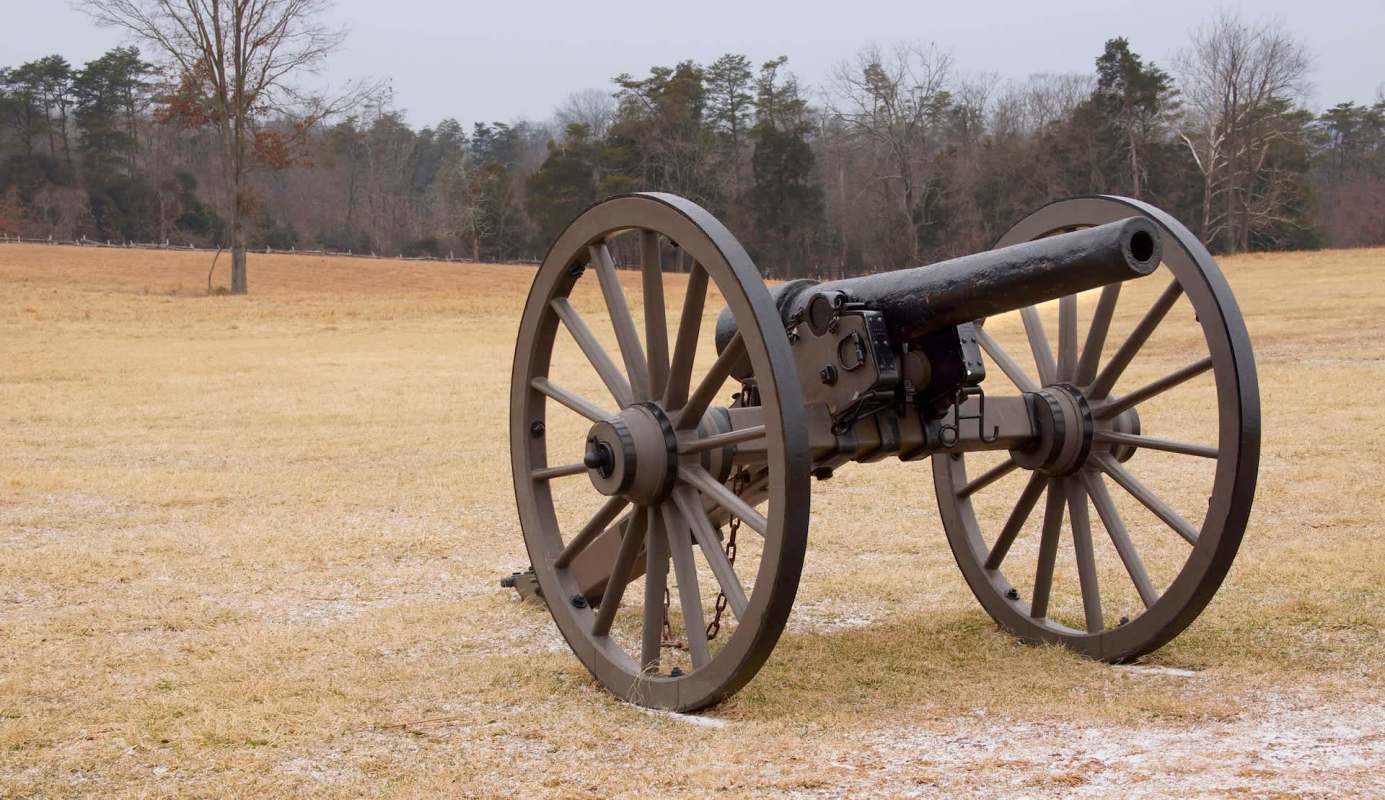
Beneath the postcard scenery of Oregon's Sunny Valley, archaeologists have likely uncovered the site of the 1855 Battle of Hungry Hill, one of the most consequential clashes of the Rogue River Wars, helping restore Takelma women to a history that has long minimized their leadership.
For more than 150 years, the exact location of the battle had faded from view, along with a fuller account of how the Takelma defeated a larger force of settlers, volunteers, and U.S. Army troops.
What happened?
A project launched in 2012 by archaeologist Mark Tveskov of Southern Oregon University's Laboratory of Anthropology set out to identify where the Battle of Hungry Hill had taken place, as Popular Mechanics reported.
The battle took place during the 1850s Gold Rush, when settlers moved onto Indigenous land in Southern Oregon and escalating violence turned into the Rogue River Wars.
A major break came when Robert Kentta, a member of the Confederated Siletz Indian Tribes, located an 1855 New York Herald story that seemed to rely on Lieutenant August V. Kautz's own description of the fighting.
In a 2017 study, Tveskov said of Kautz's letter: "It repeats, often with the same words as the New York Herald article, the details of the battle's planning and execution."
TCD Picks » Quince Spotlight
💡These best-sellers from Quince deliver affordable, sustainable luxury for all




By combining oral histories with military records and archival maps, the team narrowed its search to a field near the Grave Creek Hills.
Artifacts from the area included .69-caliber musket balls and a lead stopper from a gunpowder tin, items that match U.S. Army gear from that period.
Why does it matter?
Researchers say the newly identified site undercuts an account long shaped by the losing side's humiliation. The records they reviewed suggest that, despite their numerical advantage, settlers and soldiers failed to grasp the Takelma's strength.
It also brings renewed attention to Indigenous women whose roles were pushed to the margins in many settler-focused versions of the conflict. Frances Johnson, Sally Lane, and Queen Mary — also known as Mary Lane — emerged as notable Takelma figures in the battle and the wider war.
Recovering evidence from the land itself, alongside Native oral histories, can help correct omissions that endure for generations.
What's being done?
Archaeology, archival work, and tribal knowledge are being brought together to build a fuller history of Hungry Hill.
The Bureau of Land Management permitted archaeologists to survey the area believed to contain the battlefield.
Kentta's archival discovery and Native oral histories were crucial; without them, major parts of the story, including the leadership of Takelma women, may have stayed hidden.
According to Tveskov, the U.S. Army officer probably didn't like how much was said about the battle due to their defeat coming from a small force of Indigenous people and an Indigenous woman.
Tveskov said, "It is only in their private letters and unpublished memoirs, some unexamined by scholars until recently, that candid reflections on the battle exist."

Get TCD's free newsletters for easy tips, smart advice, and a chance to earn $5,000 toward home upgrades. To see more stories like this one, change your Google preferences here.






