


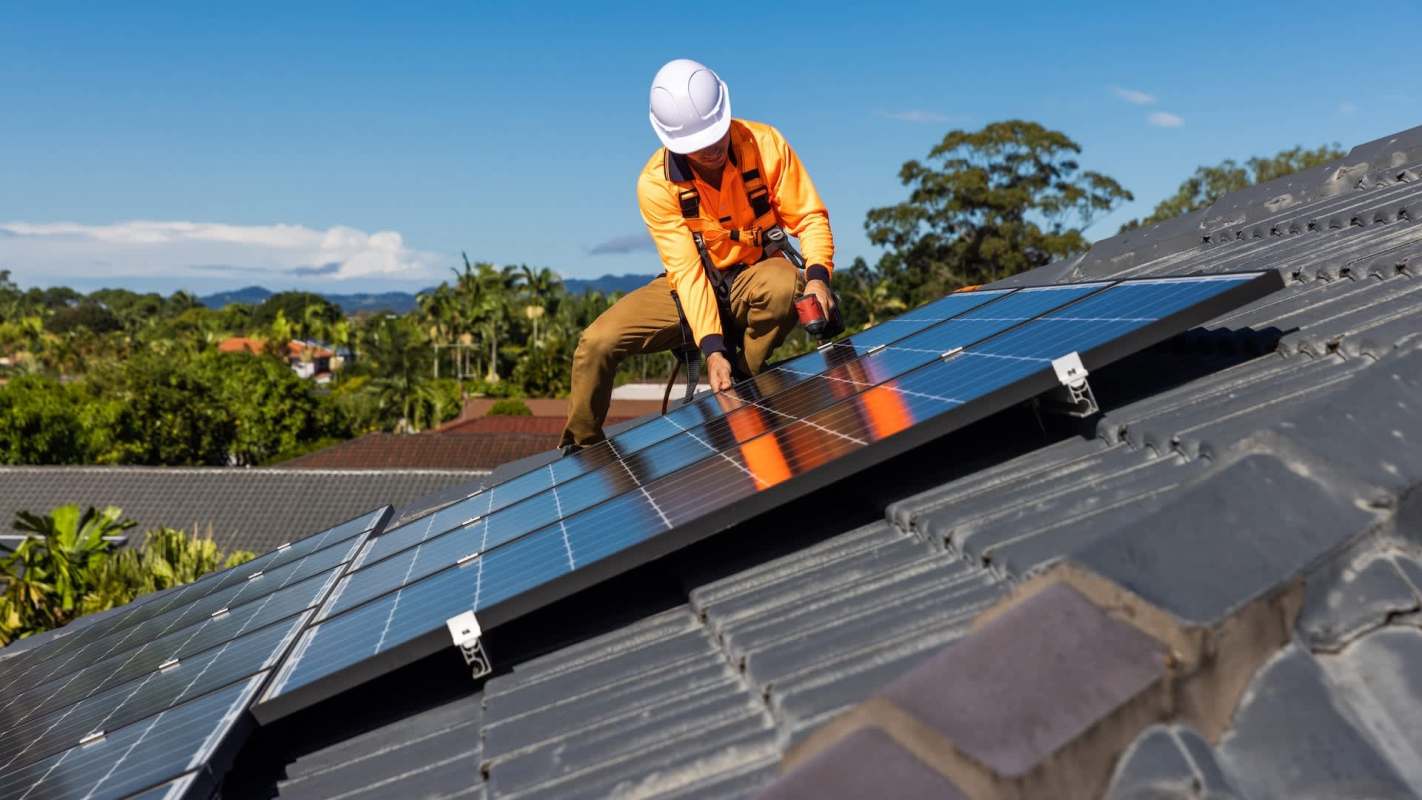
A homeowner's question about whether a $33,000 solar system investment would actually pay off incited a lively online debate and highlighted how complicated the math around rooftop panels can be.
What's happening?
In a recent discussion on Reddit, a homeowner laid out the cost and estimated savings for a proposed rooftop solar system and asked others whether the deal made sense, saying they were "not sure solar is worth it" for their situation.
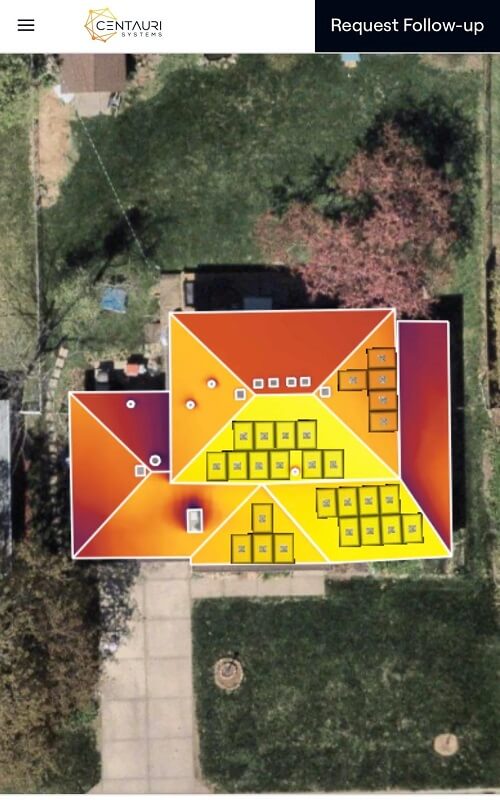
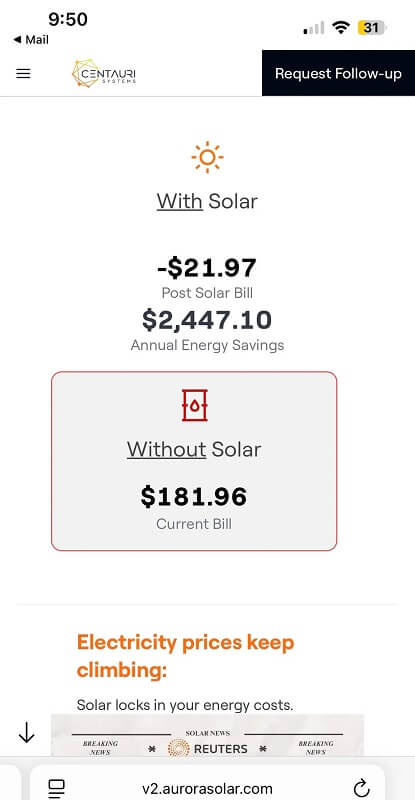
"This system is going to cost me $33k. About $205 in savings per month," the poster wrote, noting that this would add up to $78,000 in 30 years at their current rates.
Replies pointed out that the math isn't as simple as comparing the upfront cost with today's utility bill. Instead, commenters pointed to the long-term picture, with one proposing the question of, "How much was electricity 30 years ago from today?" adding that it's doubled in certain states, and how "most places are projecting electricity is poised to increase in an unprecedented rate."
Another user agreed with the original poster that going solar is "kind of like pre-paying your energy bill."
From there, the thread broadened into a debate about utility-rate inflation, opportunity cost, and long-term financial planning.
TCD Picks » Quince Spotlight
💡These best-sellers from Quince deliver affordable, sustainable luxury for all




Some users said that $33,000 might earn more if it stayed in the stock market, while others argued that rising electricity prices could substantially change solar's payback over 30 years, and solar is a more guaranteed payoff provided it comes from a reputable company, which commonly offer a 25-year performance warranty as well as warranties on damage and workmanship.
In fact, most estimates say that U.S. residents who install solar typically see the panels pay for themselves in 7-10 years, less in states with high electricity rates and longer in states with currently cheap rates. For this user with relatively cheap $0.17/kWh electricity costs, with no increases it would take about 12-13 years, but it's a solid bet that their electricity rates would increase enough to see that pay off faster and faster and end up coming closer to 10 years.
Another benefit is the ability to add a battery later and protect against blackouts, with solar replenishing the battery's power each day during the blackout. That isn't possible while depending on the grid entirely. Sites like EnergySage can help you compare quotes and installers for both solar and battery options, too, to be sure you're getting a good deal.
Why does it matter?
For many households, the real challenge is lowering energy costs without making a decision that later feels like a mistake. Much of the potential savings depend on the rate for power and how long the person plans to stay in their current house.
That last variable drew particular attention. Pointing out that "electricity prices very much go up every year," some commenters said a flat monthly-savings estimate may leave out a major part of solar's value, while others described the decision as a hedge against uncertainty rather than a guaranteed win.
At the same time, not everyone in the thread saw solar as a universal slam dunk. One commenter said, "I am someone who has never lived in a house for more than 8 years, so I won't be buying solar for the foreseeable future."
For homeowners planning to remain in the same house, solar may look more attractive. Others may favor improvements with quicker payback periods — or prefer the flexibility of leaving that money invested elsewhere and being able to move somewhere new. And you don't have to live in the same house forever to reap the financial benefits of solar — research found that houses with solar systems could sell for 6.9% more — around $25,000 in profit from selling.
As one user put it, "There's also an environmental investment to consider."
What can I do?
One clear takeaway from the thread was to model more than one version of the future before signing a contract. That means testing low, medium, and high electricity-rate increases instead of assuming today's prices will stay the same for decades.
Solar also isn't the only upgrade worth considering. One commenter advised, "Also, consider air sealing and improving your attic insulation before buying solar. The payback period is only 3-7 years."
For some households, cutting energy use first could make a smaller solar installation look better later.
Getting multiple quotes, reviewing net-metering rules, and factoring in future changes such as electric vehicle charging can make the decision clearer. For some people, the main appeal of solar may be bill stability; for others, it may be backup power potential or pollution-free electricity.
As one commenter put it plainly: "About as tricky as predicting your return on your investment for the next 30 years."

Get TCD's free newsletters for easy tips, smart advice, and a chance to earn $5,000 toward home upgrades. To see more stories like this one, change your Google preferences here.






