


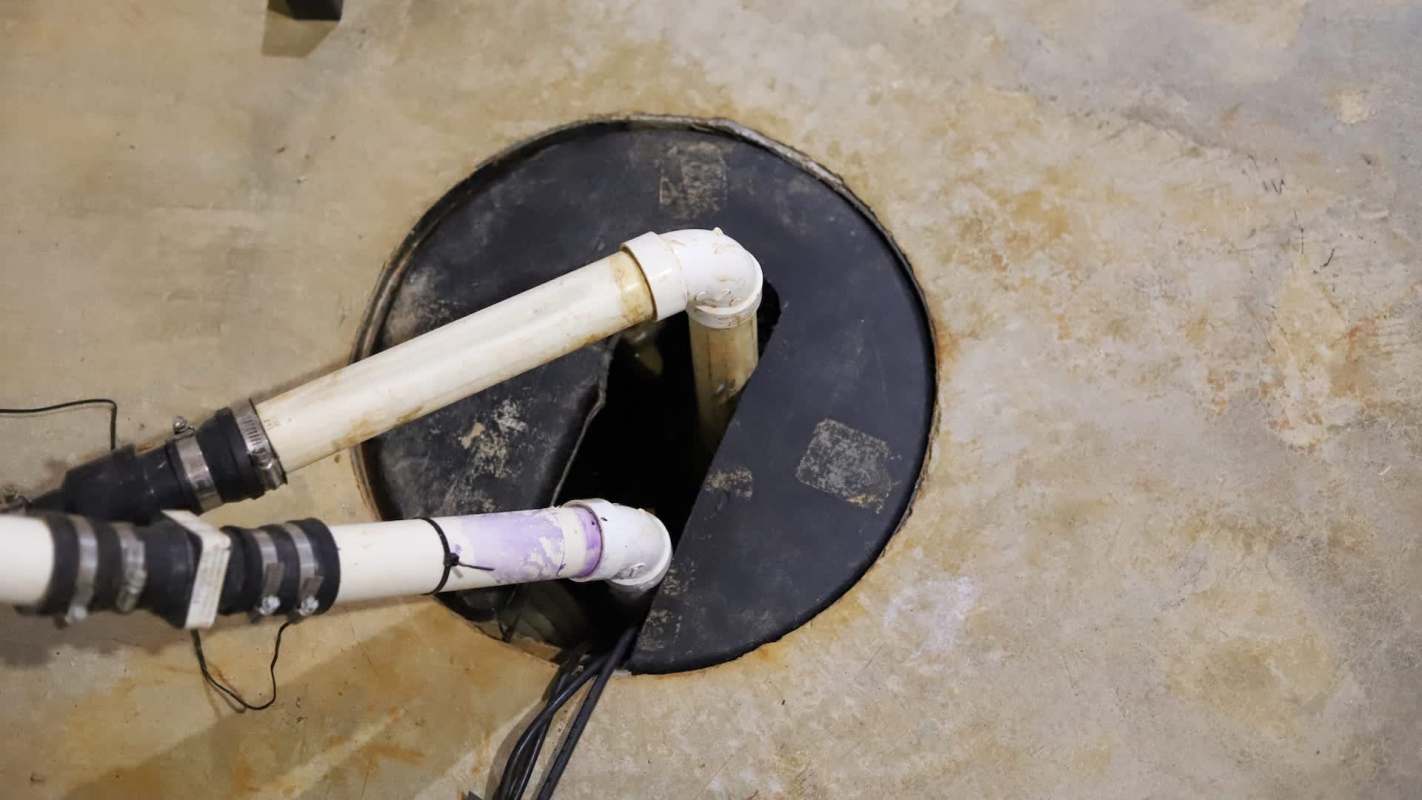
One homeowner said their sump pump sounded weaker than usual when running on backup power, prompting fears that a major storm could still leave the basement flooded.
A sump pump is an essential safety measure when a storm passes through, and the homeowner's Tesla Powerwall is supposed to safeguard components like the pump during an electrical outage, but for this homeowner, it was another reason for concern.
What's happening?
A homeowner described the issue in a post on Reddit, saying that after a PW3 was installed last year, the home went through one grid outage where the sump pump needed to run.
They said the pump works normally on utility power and is on a 15-amp circuit; its locked-rotor amperage, or LRA, is 15. "We've had the sump pump for decades and are quite familiar with the sound it makes when running," the homeowner wrote, adding that on battery backup, it sounded "more labored and strained."
The homeowner asked, "What could be causing a reduction in powering the sump pump? What else can we review or test?"
One commenter answered with some advice pointing to current differences based on charge level: "PW3 can run at 65 Hz instead of the standard 60 Hz when the charge level is above 80%. I wonder if that's the cause."
Even when the rest of a backup setup appears to be operating normally, motor-driven equipment can behave differently when startup current is involved.
Although the homeowner did have some technical issues, it's worth noting that their sump pump did run during an outage. For homeowners looking into backup solutions, EnergySage's free tools can help you compare home battery storage options and get competitive installation estimates. EnergySage has teamed up with the electrification brand Qmerit to guarantee you get the best price on home battery storage solutions.
Save $10,000 on solar panels without even sharing your phone number Want to go solar but not sure who to trust? EnergySage has your back with free and transparent quotes from fully vetted providers in your area. To get started, just answer a few questions about your home — no phone number required. Within a day or two, EnergySage will email you the best options for your needs, and their expert advisers can help you compare quotes and pick a winner. Solar panels can save you more than $50k over their 25-year lifespan, and EnergySage can help you save as much as $10k on installation. Which begs the question — isn't that worth an email or two? |

The Cool Down has also highlighted Pila as another company offering excellent battery backup options, with plug-and-play batteries priced at a fraction of what a whole-home backup system would cost.
Why does it matter?
A sump pump is one of those devices that's easy to ignore until it fails. If it cannot keep up during a downpour, the result can be expensive water damage, mold, destroyed belongings, and a difficult cleanup.
Battery storage can be a valuable addition for homeowners looking to protect their homes during outages, lower energy costs, and reduce reliance on the grid. A properly designed battery system can keep critical appliances running when utility power goes down while also helping households use less grid electricity during peak-rate periods.
Batteries can store lower-cost electricity, or solar power, and discharge it when rates are highest, potentially saving homeowners hundreds of dollars each year, depending on their utility plan, local incentives, and how the system is set up.
Backup power is not just about installing a battery. It is also about making sure that the battery can handle the load, especially equipment with strong motors that may have higher startup demands than lights, outlets, or electronics.
What can I do?
If you have a home battery and a critical load such as a sump pump, well pump, or medical device, testing performance before an emergency can help.
It can also help to confirm the pump's startup current, age, maintenance history, and electrical configuration. A licensed electrician or installer may be able to determine whether the issue is related to inverter output, voltage drop, circuit setup, pump wear, or a setting in the backup system.
If the pump is older, a replacement or secondary backup pump may also be worth considering. Some homeowners may benefit from a dedicated backup strategy for water management, especially in flood-prone areas where a single failure could become costly.
The best outcomes depend on careful planning. Identifying critical loads and matching equipment to those needs can make all the difference when severe weather arrives.
The homeowner summed up that concern clearly, saying the pump sounded "more labored and strained" and warning that "a sump pump that can't keep up during a storm-driven outage could allow a basement to flood exactly when the grid is down."

Get TCD's free newsletters for easy tips, smart advice, and a chance to earn $5,000 toward home upgrades. To see more stories like this one, change your Google preferences here.






