


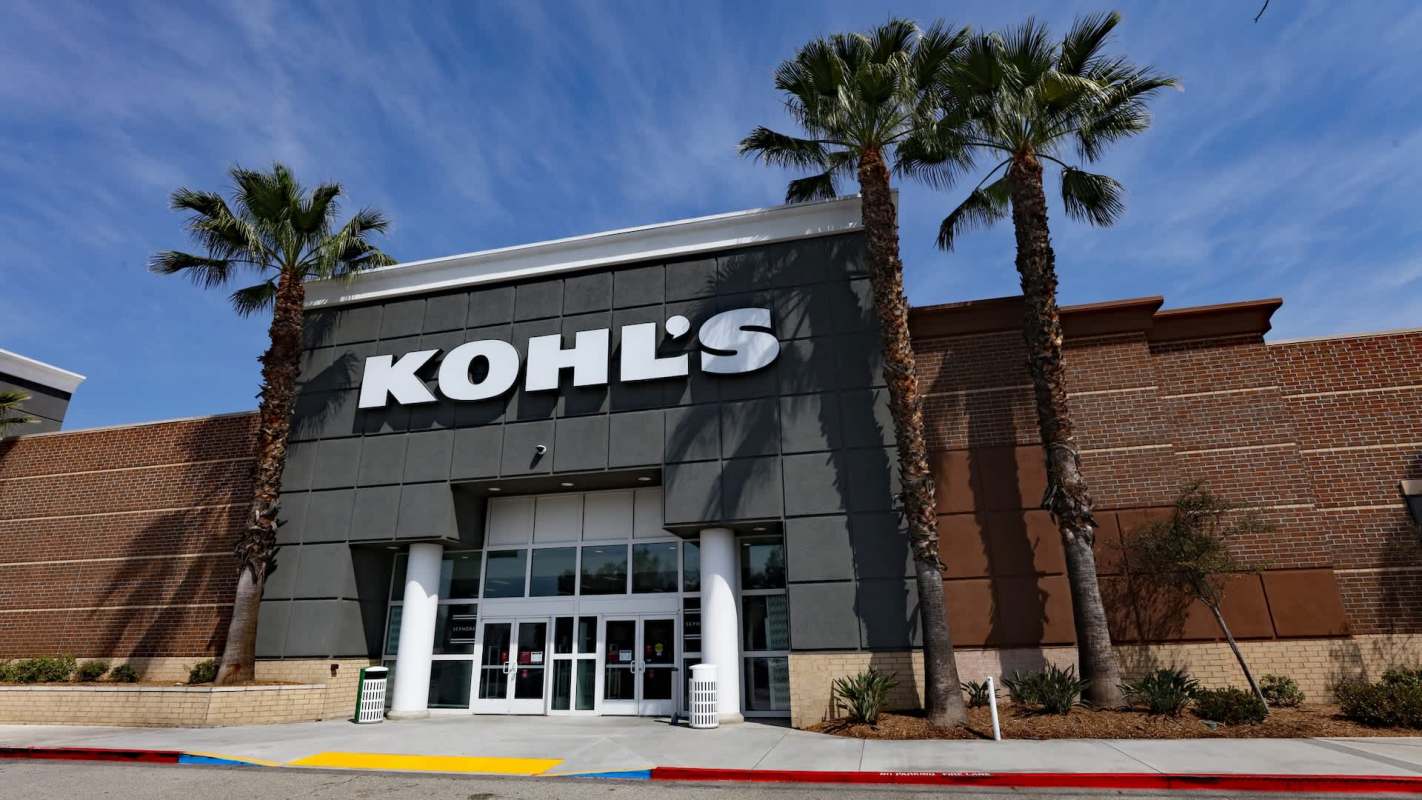
For shoppers who just want to pay and head home, Kohl's checkout setup can feel less like a convenience and more like a trap.
That frustration boiled over online after one shopper described being funneled past "two full aisles" of impulse-buy items before reaching the registers.
What's happening?
In the Reddit thread, the user described the items before the checkout as "garbage" and questioned whether this tactic really works to drive sales.
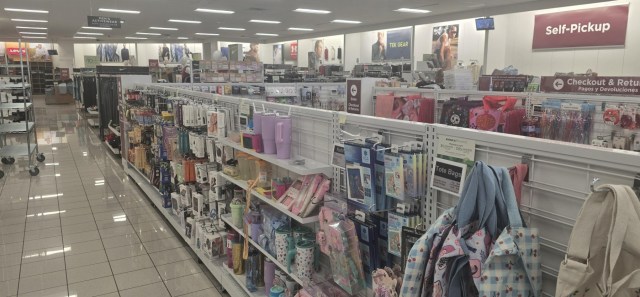
"I think the more insidious issue is it lets them understaff the registers because the impulse buying gives customers something to do to make the wait in line seem shorter," one commenter pointed out.
Many users said that they've seen this often and that people do sometimes feel pressured to buy.
"It's psychological manipulation because these items are cheap and seemingly innocuous additions that add big money to their sales," someone said.
TCD Picks » Quince Spotlight
💡These best-sellers from Quince deliver affordable, sustainable luxury for all




People who said they were former Kohl's employees backed up that theory with their own personal testimonials.
"I used to work at a Kohls and was constantly called to the register even though my job was supposed to be cleaning out the dressing rooms," one wrote. "I'd spend half of each shift cashiering because they had so few cashiers."
Others said they had noticed similar layouts at chains including Marshalls, Ross, Michaels, Home Goods, and Five Below, suggesting the strategy may reflect a wider retail trend.
Why does it matter?
Impulse-buy checkout lanes are designed to encourage shoppers to make extra purchases they weren't planning to make — often small, low-need items that can quickly become clutter at home.
Checkout displays are often stocked with heavily packaged accessories, novelty goods, and other products that may be used briefly and then tossed in the trash. Stores normalizing these purchases can encourage more waste and greater resource use for items shoppers may not have bought otherwise.
The Reddit thread also pointed to the human cost of these retail layouts. If commenters are correct that the displays help disguise long waits, the strategy may not just be about selling more products. It may also help companies operate with fewer staffed registers while workers take on the strain, which is especially concerning in an era of high unemployment and with AI increasingly replacing jobs.
What can I do?
The most practical response may be to treat checkout areas as marketing zones rather than browsing opportunities. Going in with a list, skipping nonessential aisle detours, and sticking firmly to a strict budget can help reduce the temptation of last-minute purchases.
If a store's layout repeatedly feels manipulative or chaotic, curbside pickup, online ordering, or shopping at competitors with simpler checkout setups may be worth considering. Consumers can also leave direct feedback with store managers or customer service teams when understaffing and cluttered lines create a poor experience.
"We just want to check out and leave," the original poster wrote.

Get TCD's free newsletters for easy tips, smart advice, and a chance to earn $5,000 toward home upgrades. To see more stories like this one, change your Google preferences here.






