


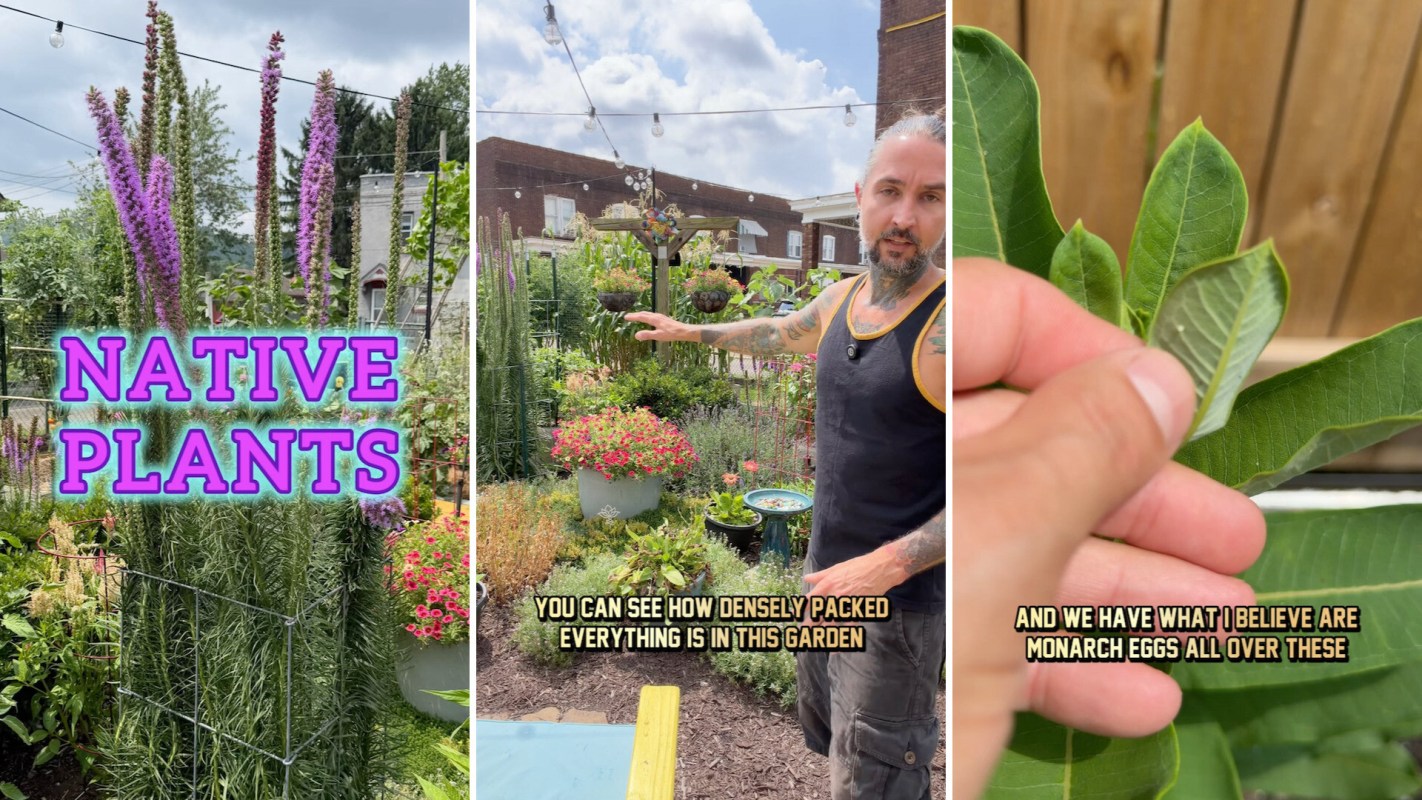
For one TikTok gardener, the comment section had been filled with criticism over the "lack" of native plants in his garden. This led the creator to answer the question about whether native plants matter and whether every garden bed has to house one of them.
He argued that practical concerns such as limited space, disease pressure, and pets make that approach unrealistic in some parts of the yard.
What happened?
In a TikTok video, Dirty Punk Gardening (@dirtypunkgardening) addressed criticism of his main garden by explaining that, while he grows many native perennials on his property, that bed is not planted exclusively with them.
@dirtypunkgardening Just because you don't always see the native plants, doesn't mean they're not there. #garden #gardening #nativeplants #GardeningTikTokContest #gardentok ♬ original sound - Dirty Punk Gardening
He said the choice comes down to how the space functions. In a tightly packed ornamental garden, some native plants can spread too aggressively, and others create upkeep problems that make them a poor fit.
As one example, he said bee balm "just isn't gonna work well in my garden" and described it as especially prone to powdery mildew. He also explained why his milkweed is kept elsewhere: "One of the reasons that this is out here is because milkweed is toxic to dogs, and I have a dog."
He also noted that natives are still present in his landscape, including blazing star and a separate milkweed bed where he said he believes there are monarch eggs.
TCD Picks » Quince Spotlight
💡These best-sellers from Quince deliver affordable, sustainable luxury for all




He said gardens do not have to be all-or-nothing to support wildlife.
Commenters largely agreed. One wrote, "This is exactly why I have dedicated my front bed (10x30 in full full sun) to drought resistant native plants...but I plant snaps, zinnia, and sunnies in my backyard veggie garden. Balance!"
Why does it matter?
The exchange highlights a frequent issue in climate-friendly gardening: all-or-nothing standards can discourage smaller changes.
Native plants are hugely valuable because they support local pollinators and wildlife, but with careful planning, non-native plants can also play an important role.
Also, replacing part of a traditional grass lawn can save money and time on maintenance while lowering water bills. Some homeowners may do best with a mix of native plants, clover, buffalo grass, and xeriscaping, depending on climate, pets, neighborhood rules, and how much upkeep they can realistically manage. Even replacing part of a lawn can deliver benefits for both homeowners and ecosystems.
A yard that uses less water, needs less mowing, and offers some habitat is still a major improvement over a plain monoculture lawn.
The video also showed that native gardening can be beautiful, but it can also be messy, aggressive, or site-specific in ways that require planning.
Those shifts are part of a move toward landscaping that is cheaper to maintain and better suited to local conditions.
What can I do?
If you want to make your yard more wildlife-friendly, you do not have to rip everything out at once. Start with one bed, one border, or one patch of turf, and choose plants that fit your space, sunlight, and household needs.
Rewilding a lawn can also reduce water use and support the local ecosystem. If you want more ideas, check out resources on rewilding your yard and upgrading to a natural lawn.
As one commenter put it, "Wish I knew how aggressive common milkweed grew as much as i love it, it [spread] so much into my neighbors yard."
"So when you see somebody with an aesthetic garden, don't be so quick to judge," the creator said. "You can do both. I have a thriving ecosystem out here."

Get TCD's free newsletters for easy tips, smart advice, and a chance to earn $5,000 toward home upgrades. To see more stories like this one, change your Google preferences here.






