


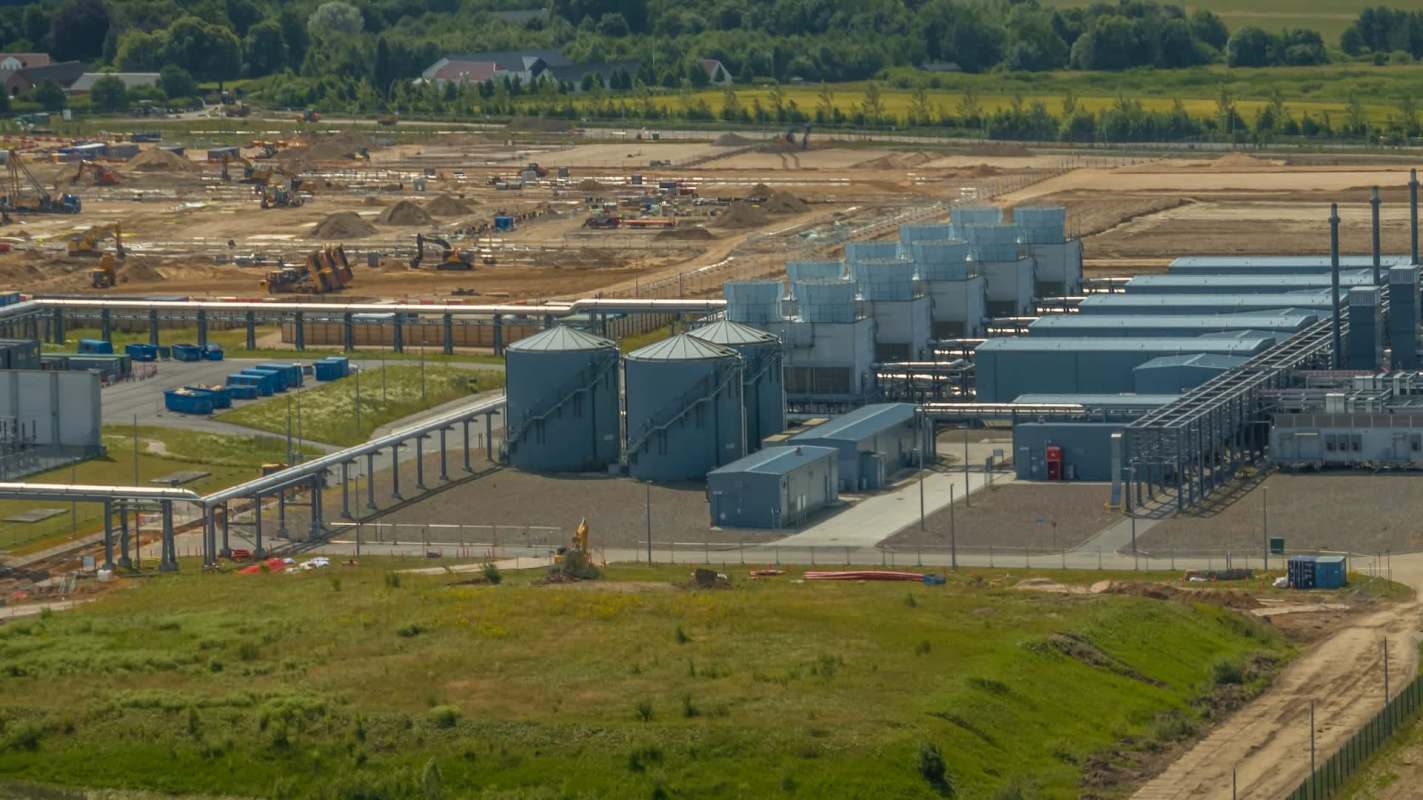
A Kentucky county is hitting pause on one of the fastest-growing parts of the AI economy. Bullitt County officials voted to stop considering new data center proposals for a year as they weigh the strain such facilities can place on local water and power systems.
What happened?
According to WDRB, the Bullitt County Fiscal Court took action on July 21 to set a 12-month moratorium on new data center plans, giving officials time to write regulations for future information technology development.
The county has not outlawed the facilities altogether; it is using the pause to determine what standards should be in place before any project advances.
Bullitt County Judge Executive Jerry Summers said the county's worries center on the heavy infrastructure needs large data centers can bring, especially demand for water and electricity. Similar concerns are showing up in communities across Kentucky and the rest of the country as the AI-related construction surge spreads.
The decision reflects a growing local-first approach to a global industry. While tech companies see data centers as essential infrastructure, counties and cities are asking tougher questions about land use, utility capacity, and who is expected to absorb the costs.
Why does it matter?
Data centers are central to modern life, powering everything from cloud storage to online shopping to AI tools. However, they can also require enormous amounts of electricity and water, especially when operators rely on water-intensive cooling systems or connect to already stressed power grids.
TCD Picks » Quince Spotlight
💡These best-sellers from Quince deliver affordable, sustainable luxury for all




Bullitt County's pause shows how those debates are becoming policy questions at the county level. The issue is also about who provides the power, where the water comes from, and how quickly communities are expected to adapt.
What's being done?
The county's primary step is the moratorium itself. By freezing new proposals for a year, Bullitt County is creating room to write rules before additional projects can move ahead, rather than trying to regulate them after the fact.
That kind of pause can give local governments time to study water demand, electric load, zoning, traffic, noise, and emergency planning. It can also help officials weigh a project's promised benefits — such as tax revenue or jobs — against the cost of infrastructure upgrades.
For now, Bullitt County leaders are signaling that caution comes first. As Summers put it, there is "no appetite" for a data center in Bullitt County.

Get TCD's free newsletters for easy tips, smart advice, and a chance to earn $5,000 toward home upgrades. To see more stories like this one, change your Google preferences here.






