


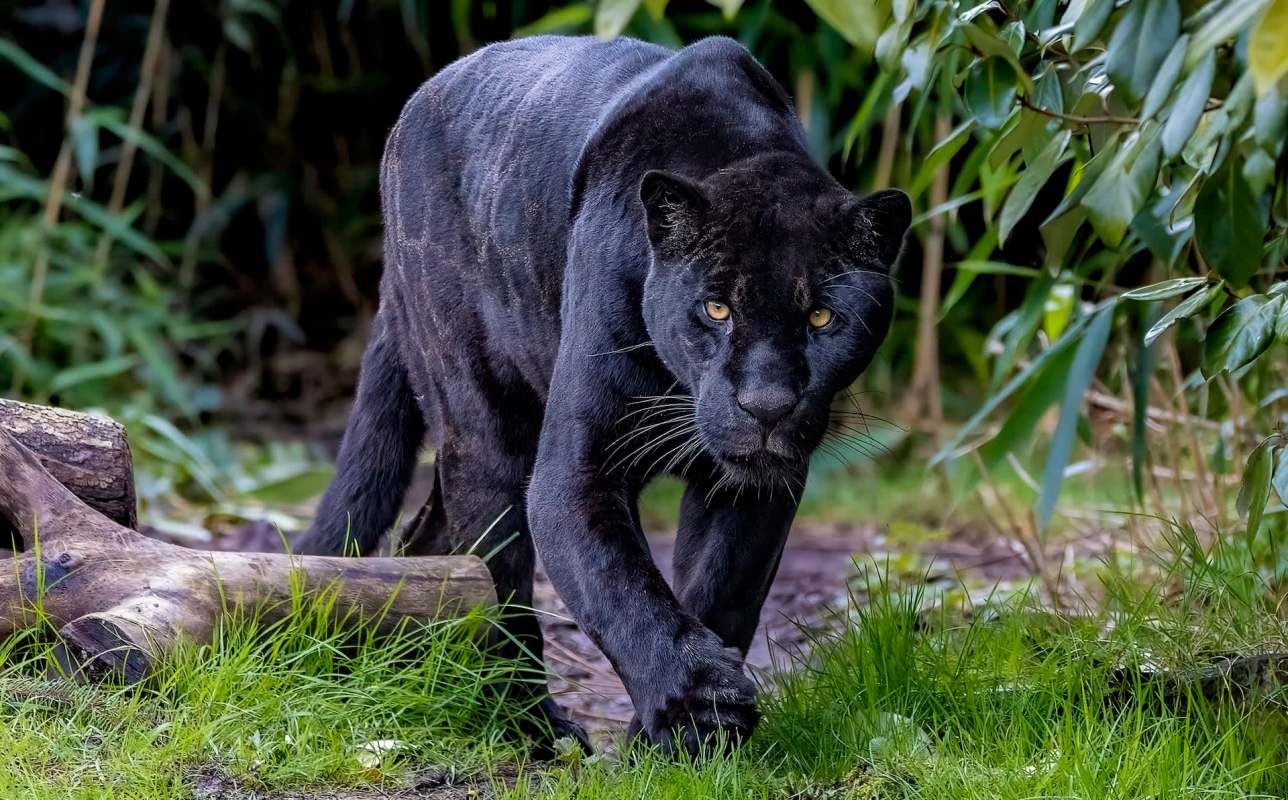
A rainforest camera in Guyana was placed for otters, but it ended up catching an even rarer subject: a jaguar moving through the forest.
The unexpected sighting underscores how difficult these big cats are to observe in the wild and how valuable remote cameras can be for documenting animals most people never get to see.
What happened?
BBC Earth followed Gordon Buchanan, working on Expedition Guyana, as he retrieved a camera trap intended to film an otter family.
In the video clip, Buchanan is seen reviewing the camera footage captured. He first spots two curassows walking across the ground in the daytime. Buchanan continues his review when something "spotty" stops his search.
"It might have been an ocelot," he theorizes. As the creature in the footage crosses the path of the trail camera, Buchanan claims, "It's a jaguar!"
In the dark footage, the jaguar may be difficult to see without increasing screen brightness, but it's there, clearly visible in the shadows despite its rarity.
TCD Picks » Quince Spotlight
💡These best-sellers from Quince deliver affordable, sustainable luxury for all




"I cannot believe that. … One of the most difficult animals in South America to see was right here," Buchanan said. "This is just by sheer luck," he continued, explaining how the camera was initially installed to capture otters.
Camera traps have become one of the most important tools in wildlife observation because they can quietly gather evidence of species that tend to avoid people. In dense rainforest habitats especially, that can reveal animals that might otherwise remain almost entirely hidden.
Why does it matter?
Jaguars play a major role in the ecosystems they inhabit. As apex predators, they help maintain balance in food webs, and their presence can signal that a habitat still supports a wide range of wildlife.
Rare footage can spur interest in conservation. Animals that are difficult to study are often difficult to protect as well. The more researchers and the public know about where these cats live and how they move through forests, the better the chances of safeguarding those habitats.
Healthy rainforests do far more than shelter elusive wildlife: They store planet-cooling carbon, support biodiversity, and help regulate water cycles that people depend on far beyond the forest itself.
What's being done?
Camera traps allow scientists, filmmakers, and conservation teams to document wildlife without constantly disturbing it, making them especially useful for tracking shy or nocturnal animals such as jaguars.
This kind of monitoring can help identify where animals are present, how often they use certain areas, and whether populations may still be hanging on in threatened landscapes. It also creates visual evidence that can support conservation efforts and public awareness campaigns.

Get TCD's free newsletters for easy tips, smart advice, and a chance to earn $5,000 toward home upgrades. To see more stories like this one, change your Google preferences here.







