


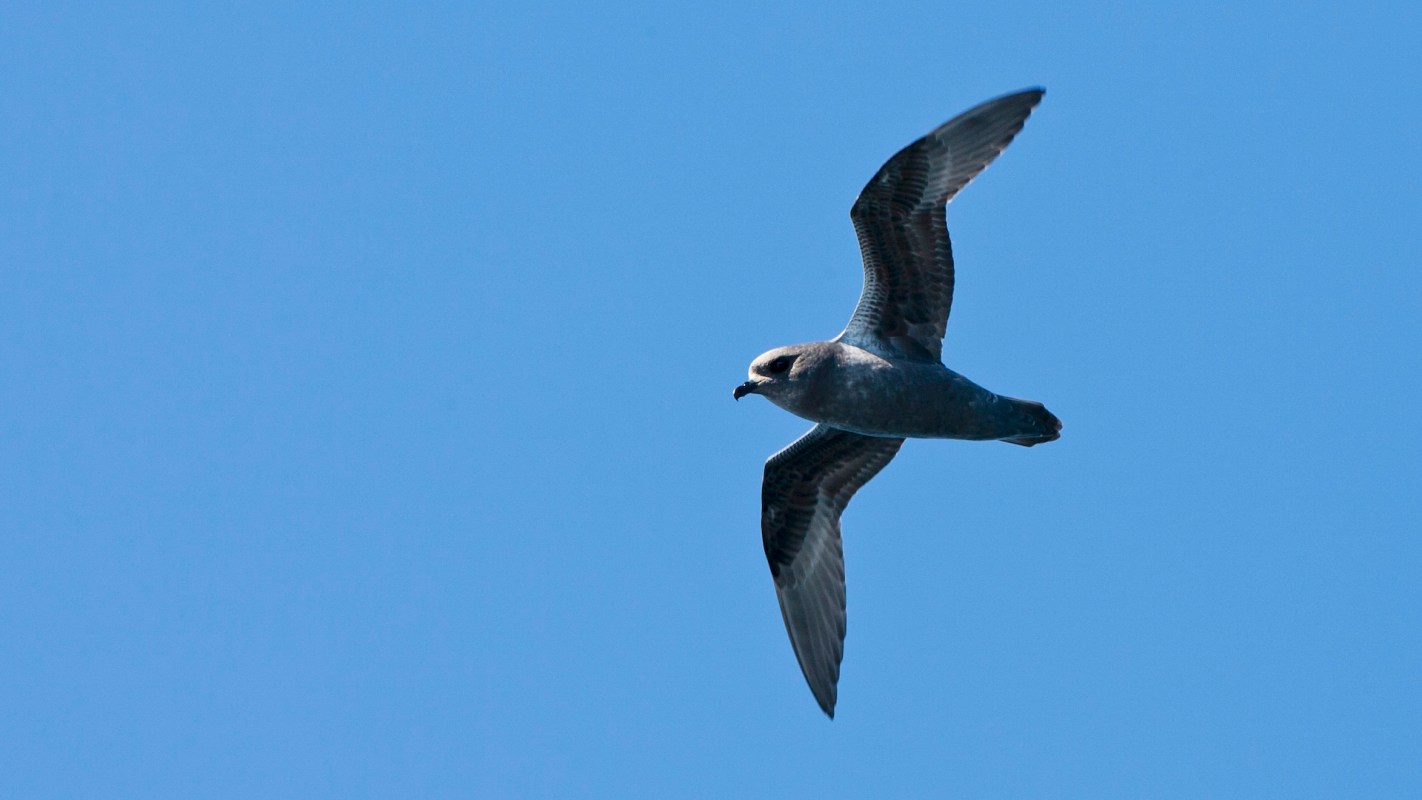
Off New South Wales, two sub-Antarctic seabirds were photographed alive offshore — an exceptional occurrence for species that are almost never seen there except as rare finds on land.
The sightings thrilled birders but raised bigger questions about how warming oceans may be changing where wildlife travels, the Australian Broadcasting Corporation reported.
What happened?
Wildlife photographer James Bennett recently photographed a Kerguelen petrel and a grey petrel off Port Macquarie, "live at sea" for the first time.
BirdLife Australia's Mick Roderick, who sits on the New South Wales Ornithological Records Appraisal Committee, called the confirmed sightings "irrefutable."
What makes the capture stand out is where — and how — the birds were seen.
As ABC News reported, New South Wales had not previously documented either species in these circumstances.
TCD Picks » Quince Spotlight
💡These best-sellers from Quince deliver affordable, sustainable luxury for all




Roderick said the committee's only existing state records were a grey petrel found ashore at Ballina in 1985 and a Kerguelen petrel found ashore at Callala Bay in 2016.
For Bennett, the encounter was unforgettable.
"This is a bird I'll remember for the rest of my life … it was incredible," he mused.
Roderick offered an equally concise verdict on the find: "Stunningly rare, is how I would put it."
The timing also coincided with recent bird flu detections in Australia.
However, experts said the Port Macquarie birds showed no signs of illness, and they are not linking the sightings to the recent H5 cases, which have mostly involved migratory seabirds such as giant petrels.
Why does it matter?
Monash University ornithologist Rohan Clarke told ABC News that the sightings seem to fit into a larger pattern rather than stand alone.
He described a broader "very rare event" in which cold-water seabirds are appearing far north of their usual range, with some records extending to central Queensland.
One possible explanation is stress in the Southern Ocean.
Roderick speculated that these birds were "probably been pushed north due to a lack of food availability in the Southern Ocean."
Australian National University climatologist Janette Lindesay said unusually warm water can also affect the storm systems that can displace them.
"The higher ocean temperatures translate into warmer air temperatures and more moisture evaporating into the atmosphere, giving storm systems more energy as they move through," Lindesay explained.
Human-driven climate change is warming oceans, shifting food webs, and potentially changing migration and roaming patterns.
Shifts like these can ripple through ecosystems, fisheries, coastal monitoring, and disease surveillance — what happens in the Southern Ocean does not necessarily stay there.
What can I do?
Scientists and bird experts are now watching closely to see whether these sightings of sub-Antarctic birds fade quickly or become less unusual over time.
As ABC News indicated, Clarke noted that these seabirds could quickly head south again if conditions improve, covering huge distances in only a few days.
Wildlife and health authorities are also continuing to monitor bird flu detections, particularly in giant petrels, which have accounted for most Australian cases so far.
Experts said that remains a separate issue from the apparently healthy birds seen offshore near Port Macquarie.
"I'm just reeling. It's going to take me a long time to fully process seeing these birds," Bennett said.
Clarke was more cautious about what comes next: "It's hard to know at this stage whether [this event] is going to have a negative effect on the birds."

Get TCD's free newsletters for easy tips, smart advice, and a chance to earn $5,000 toward home upgrades. To see more stories like this one, change your Google preferences here.






