


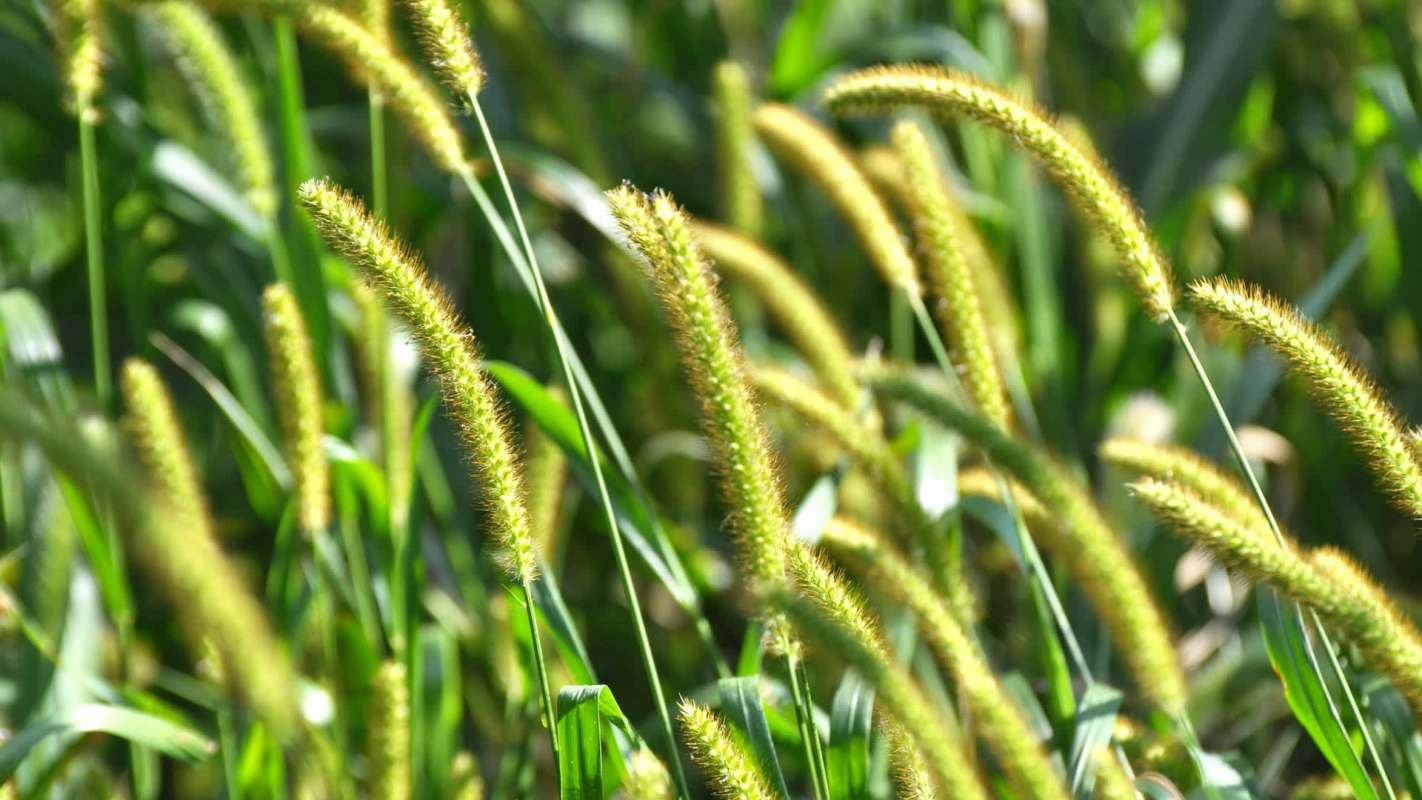
A sudden surge of sunlight can put plants at risk, but research indicates they can begin defending themselves much faster than expected.
This protective shift can start within 10 minutes, helping limit damage from intense light. The discovery may eventually give researchers another way to breed crops that can better handle brighter sun, higher temperatures, and less predictable growing conditions.
What's happening?
According to Earth.com, the study showed that abrupt jumps in light cause plants to quickly redirect how they make proteins. Excessive light can overload photosynthesis, the process plants use to turn sunlight into energy.
For years, scientists largely believed this kind of defense operated through a slower pathway. In that model, chloroplasts were thought to alert the nucleus, which then switched on protective genes.
The new findings point to an earlier response as well, with plants rapidly reshuffling protein production directly in the cell before those slower genetic changes take over.
"We were able to demonstrate that plants reprogram their protein production within minutes — well before gene activity in the cell nucleus changes," said Dr. Marten Moore, who began the research at Bielefeld University in Germany and later continued it at the Australian National University in Canberra.
TCD Picks » Quince Spotlight
💡These best-sellers from Quince deliver affordable, sustainable luxury for all




At the center of that response are short RNA tags known as M1, M2, and M3, along with the enzyme GAPDH. In low light, GAPDH binds in a way that keeps certain cellular instructions turned down, but in bright light it lets go, allowing the plant to quickly make proteins that help safeguard photosynthesis.
Why does it matter?
This fast-acting defense could become more valuable as crops are exposed to stronger sunlight, hotter conditions, and longer dry periods. If scientists can help plants trigger these built-in protections more effectively, farmers may stand a better chance of preserving yields during stressful weather.
More resilient crops can mean steadier food supplies and less price volatility at the grocery store.
It could also help reduce crop losses, easing some of the financial pressure growers face as weather becomes more unpredictable.
Researchers observed the mechanism in 13 plant types, including mosses and grasses, suggesting it may be widely shared rather than limited to one species.
What's being done?
In green millet, or Setaria viridis, researchers tested the system by adding the M1 tag to a gene, which raised levels of a key photosynthesis protein called RIESKE by 2.3-fold while the gene itself changed only slightly.
That suggests plant breeders may be able to strengthen crop defenses by fine-tuning these natural control switches instead of reworking entire genes. This could make it easier to develop plants that remain productive under stressful light conditions while preserving the plant's existing biology.
The study, published in the journal Molecular Plant, also found that this rapid response works alongside the plant's slower genetic defense system rather than replacing it. Some proteins made in the first wave help switch on later protective genes, creating both immediate and longer-lasting protection.
By identifying this pathway, the research gives scientists another possible route to improving crops for more dependable harvests as climate pressures grow.
Professor Karl-Josef Dietz of Bielefeld University said, "Our findings show for the first time that chloroplasts can directly and extremely rapidly influence protein synthesis in the cytoplasm. This fundamentally expands our understanding of plant stress responses."

Get TCD's free newsletters for easy tips, smart advice, and a chance to earn $5,000 toward home upgrades. To see more stories like this one, change your Google preferences here.






