


America's AI buildout is increasingly running up against an older system: the power grid. And a new report suggests that ordinary households could end up absorbing a huge share of the cost.
What's happening?
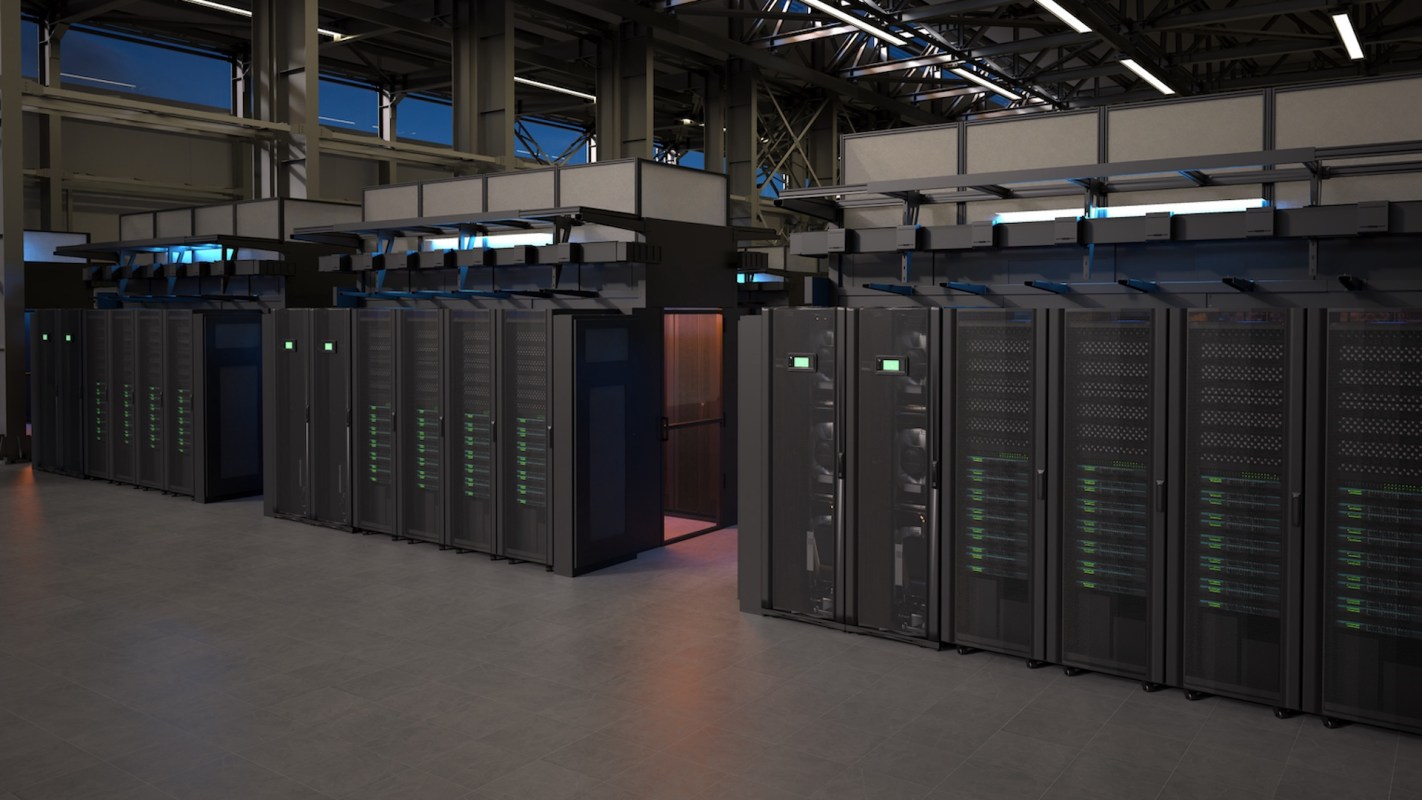
As utilities and grid operators scramble to keep pace with soaring electricity demand, the rapid expansion of large data centers is raising concerns about who ultimately pays for the infrastructure needed to support them.
As first spotlighted by Fortune and recently covered by Futurism, Monitoring Analytics — the independent monitor for PJM, the largest transmission company in the U.S. — estimates that data center demand could add more than $23 billion to customer power prices by 2028.
The billing problem is partly structural. Utilities can charge a facility for the electricity it uses. However, the costs of shared infrastructure, including substations and long-distance transmission lines, are much harder to pin on any one customer.
That means many of those upgrade expenses can be spread across the broader public.
Another complication is how these facilities manage demand. Fortune reported that data centers can make extremely small adjustments to their electricity use, which lets them lower consumption during "peak demand" billing periods without significantly reducing how much power they use overall.
TCD Picks » Quince Spotlight
💡These best-sellers from Quince deliver affordable, sustainable luxury for all




A similar pattern has shown up in Texas. There, bitcoin mining company Riot Platforms agreed to cut back on hot summer days and then significantly raised its usage at night, while still getting a lower rate and subsidies.
Why does it matter?
A higher utility bill would add another burden to many households already strained by rising housing, insurance, and energy costs.
The situation also reflects the growing connection between AI and the power grid.
AI tools may help utilities forecast demand, improve efficiency, and better integrate solar and wind power. But the physical systems behind AI — especially massive data centers — can also require enormous amounts of electricity and water while raising concerns about pollution, land use, security, persistent noise, and unintended economic consequences.
What's being done?
Regulators and communities are increasingly being forced to confront who will bear the cost of supporting these giant new facilities.
One potential solution is updating electricity pricing rules so they better reflect a company's total impact on the grid, rather than just its behavior during a narrow peak-demand window. That could make it harder for large users to benefit from timing strategies that lower their bills without reducing their overall consumption.
Data centers may be able to adjust their power use in tiny increments, but the broader costs of the AI boom are much harder to avoid.
If the rules do not catch up quickly, many Americans could still find themselves paying for infrastructure built to serve someone else's surge in demand.

Get TCD's free newsletters for easy tips, smart advice, and a chance to earn $5,000 toward home upgrades. To see more stories like this one, change your Google preferences here.






