


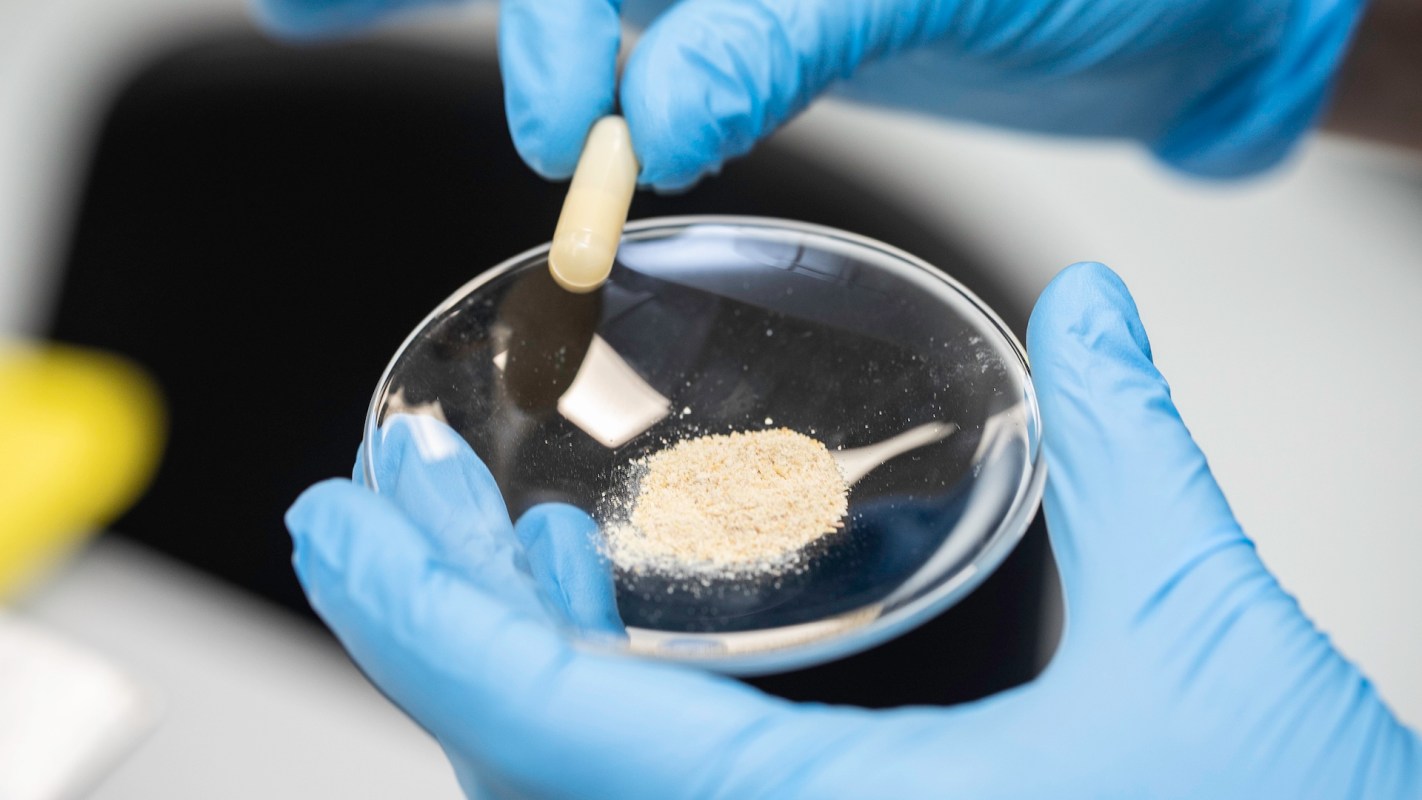
Researchers are exploring an unusual way to limit microplastic exposure: a supplement built from nonliving bacteria.
In early testing, the product appeared able to catch tiny plastic particles before body cells could absorb them.
What's happening?
The supplement being studied is called Qi601, and it is produced from a bacterial strain after the bacteria have been heat-killed.
Because the microbe is no longer alive, researchers classify it as a "postbiotic" — a microbe-derived substance that may still have useful effects in the body.
As NewsNation reports, scientists think the supplement's rough surface can latch onto microplastics almost like a magnet, helping those particles pass through the body instead of being absorbed.
The first experiments were carried out in laboratory models designed to resemble the lining of the human gut.
TCD Picks » Quince Spotlight
💡These best-sellers from Quince deliver affordable, sustainable luxury for all




Researchers then followed with a small human study centered on chewing gum, which is a known source of microplastic fragments. In that test, the supplement bound to plastic particles in the mouth.
The findings are still early, and they do not mean people can take a supplement and eliminate all exposure to microplastics. What the results do suggest is a potentially practical way to reduce how many of these particles stay in the body.
Why does it matter?
Microplastics have become so common that avoiding them altogether is almost impossible.
These particles — smaller than 0.2 inches, or 5 millimeters — have been found throughout the body, including in the blood and brain. Researchers are increasingly looking into what health effects that exposure could have.
Studies link microplastics in arterial plaque to higher risks of heart attack and stroke, along with other research showing elevated levels in the brains of people with Alzheimer's disease.
Even so, scientists are still working to understand what ongoing, low-level exposure to plastic means for human health.
Microplastics show up in everyday products such as food packaging, bottled drinks, and chewing gum.
What's being done?
For now, the main response is continued research.
Qi601 is considered promising because it is meant to capture microplastics before cells absorb them, but much more testing is needed to learn how well it works over time in the body and in real-world conditions.
Small early studies can point to possible benefits, but larger human trials are usually necessary before any supplement or treatment is considered dependable or widely useful.
If future studies support Qi601 or similar products, they could become another tool for dealing with a problem that is now difficult to avoid completely.
This is not a cure-all, but it does point to a different strategy: stopping plastic particles from being absorbed in the first place.

Get TCD's free newsletters for easy tips, smart advice, and a chance to earn $5,000 toward home upgrades. To see more stories like this one, change your Google preferences here.






