


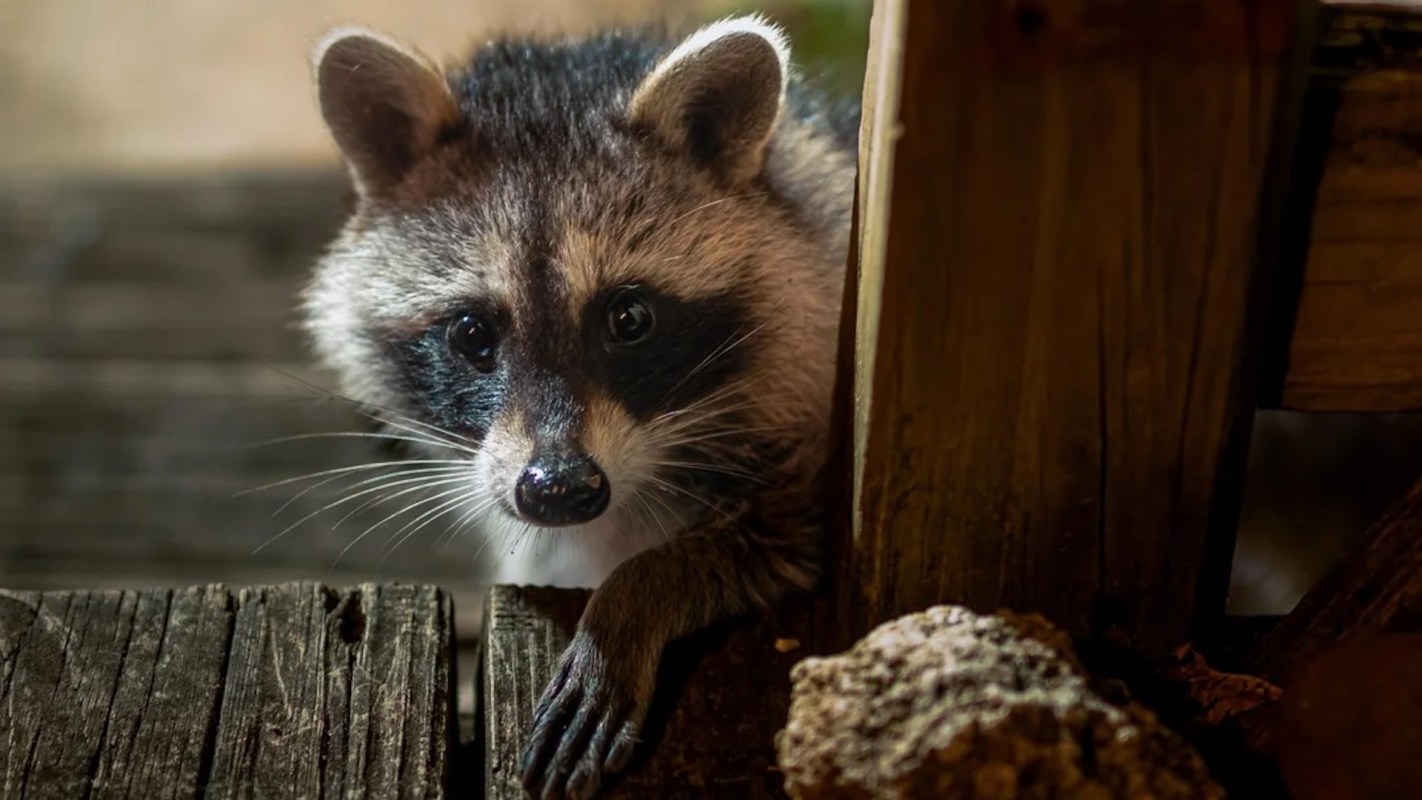
One photographer's surprise wildlife census in their backyard turned into a tiny standoff when a whole raccoon family scattered at the sight of a camera, except for one especially food-motivated youngster who refused to abandon a peanut feast.
The moment offered a funny snapshot of wildlife behavior while also serving as a reminder that when food and shelter are easy to find around homes, animals take notice.
What happened?
In a post on Reddit, the user said their deck had become a regular stop for several kinds of wildlife.
"There was a fox family," the original poster wrote. "They were evicted by a raccoon family. There is a groundhog that comes during the day. And a possum sneaks under there every once in a while too.
"It's possible there is some sort of wild animal speakeasy under my deck," they added.
Not every raccoon left when the user came outside with a camera. Most ran off, but one stayed near the food on the ground.
TCD Picks » Quince Spotlight
💡These best-sellers from Quince deliver affordable, sustainable luxury for all




"All of the other raccoons ran away when they saw me with my camera," OP wrote. "But the birds spilled a bunch of bird food on the ground, and this little guy was determined to eat all of the peanuts."
The deck offered shelter, while the spilled bird food created an easy meal — two conditions that often draw wild animals closer to human spaces than they might otherwise come.
"I think he tolerated my presence because I scared his siblings away and that meant more peanuts for him," OP joked.
The photos OP was able to snap showcased the very watchful eyes of the young raccoon, its determination to grab all of the remaining bird feed it could fit in its cheeks, and some rather photogenic headshots capturing the raccoon's iconic "bandit" mask coloring.
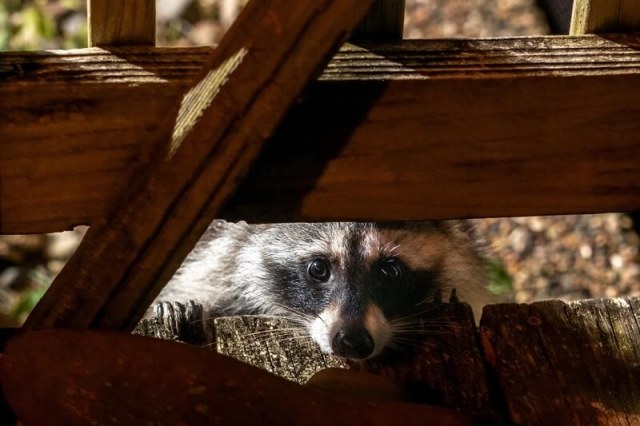
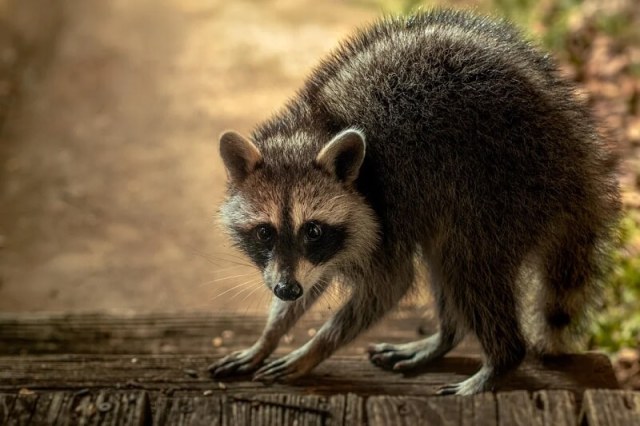
"He is the most photogenic critter I've ever seen. It looks like he is posing for you," one person commented.
"Baby's senior graduation pics," another joked.
Why does it matter?
Human behavior influences many wildlife encounters, including how people feed, approach, or inadvertently corner animals. Backyard decks, crawl spaces, bird feeders, and unsecured food scraps can unintentionally create mini-habitats for animals in search of cover and calories.
Food conditioning can make repeat visits more likely, particularly if animals learn that certain homes reliably provide snacks. If one yard becomes a dependable food source, it can shift how multiple species use the area — much like the poster jokingly described foxes being "evicted" by raccoons.
That can create problems for homeowners. Animals sheltering under decks or returning for food meant for pets may damage structures, tip over bins, or create conflicts with pets.
What can I do?
Reduce easy attractants by cleaning up spilled bird seed, using feeders designed to minimize waste, and bringing pet food indoors when it's not in use.
It also helps to secure trash cans, remove fallen fruit, and check for gaps under decks, porches, and sheds. If animals are already nesting there, avoid sealing entrances right away, especially during baby season. Humane exclusion is safest after confirming the space is empty or with help from a licensed wildlife professional.
Distance remains key when watching animals. A camera, binoculars, or even a view from inside can let people appreciate the moment without stressing the animal or encouraging bolder behavior.
A better balance is to create yards that are wildlife-friendly in natural ways, such as planting native species and maintaining habitat, while avoiding hand-feeding or leaving concentrated food sources out overnight.

Get TCD's free newsletters for easy tips, smart advice, and a chance to earn $5,000 toward home upgrades. To see more stories like this one, change your Google preferences here.







