


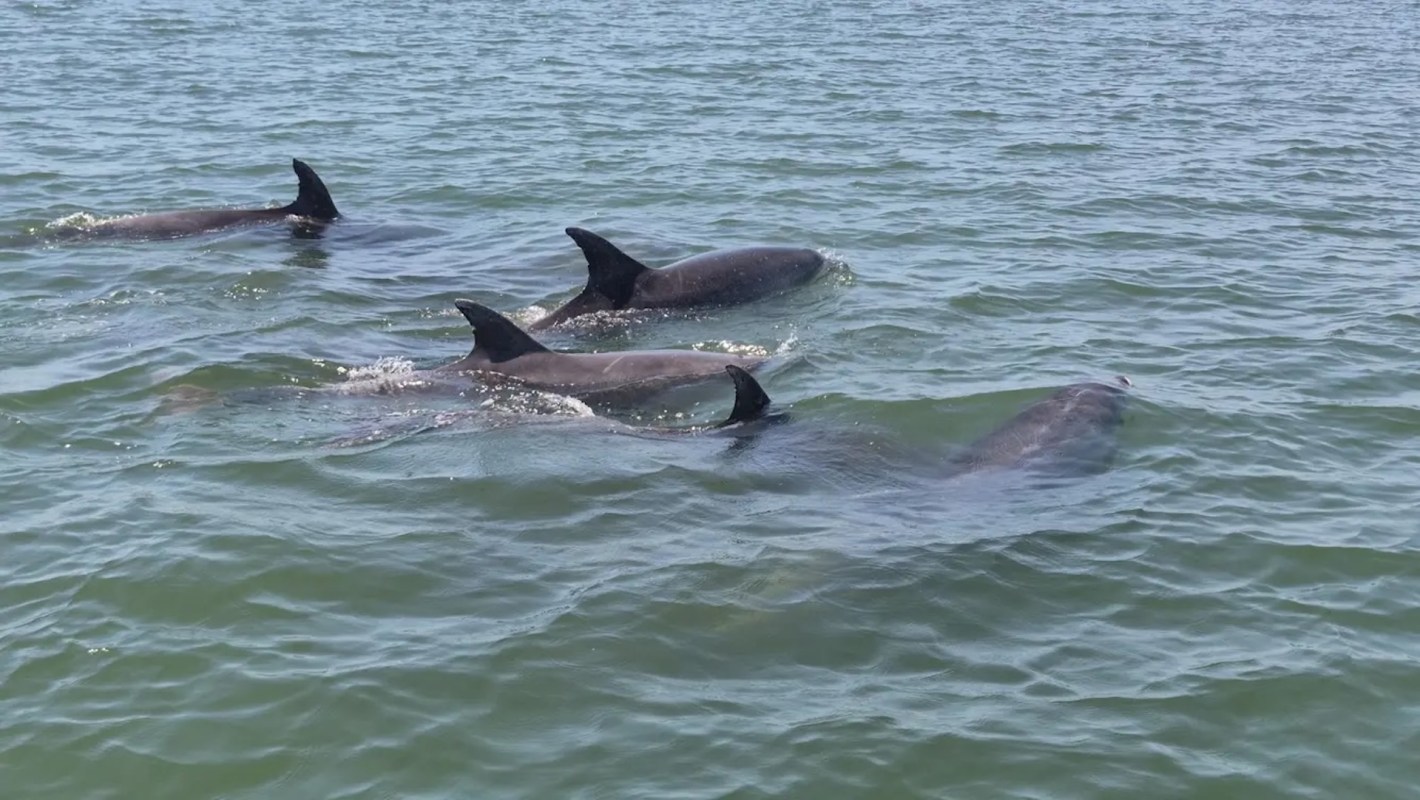
Encouraging news emerged from Cape Cod after Massachusetts' largest known bottlenose dolphin stranding: rescuers later tracked 22 surviving dolphins together in deeper water off Barnstable.
According to Fox Weather, the rescue response stretched over two days and multiple beaches from Brewster to Wellfleet.
What happened?
On Monday, July 13, the International Fund for Animal Welfare, or IFAW, said it was notified about nearly 30 mass-stranded bottlenose dolphins along Brewster's shore between First Light and Ellis Landing.
Most of the animals refloated as the tide came in, but several had died before rescuers arrived.
By the next morning, rescue teams that had initially found four dolphins in Wellfleet's Herring River Gut were responding to 19 live strandings at three sites over a nine-mile stretch from Brewster to Wellfleet.
NOAA Fisheries said a marine mammal stranding occurs when an animal is dead or is alive but unable to return to its natural habitat without help.
TCD Picks » Quince Spotlight
💡These best-sellers from Quince deliver affordable, sustainable luxury for all




IFAW said, "The area within the 'crook' of Wellfleet and Eastham is a globally recognized hotspot for mass stranding events due to the extreme tidal fluctuations and the shallow flats of Cape Cod's unique geography."
Rescue teams tagged two dolphins, then used those signals to confirm that groups that had split up later rejoined. By Wednesday, July 15, satellite data showed the tagged dolphins about two miles northwest of Sandy Neck Beach as part of a single pod of roughly 22 in safer, deeper water.
Why does it matter?
Mass strandings can turn deadly in a matter of hours.
Several dolphins died before help arrived, underscoring how narrow the rescue window can be when animals are left on beaches and tidal flats during rapid shifts in water level.
Cape Cod's geography makes these incidents especially dangerous. The same shallow flats that shape the shoreline can also trap marine mammals, particularly when pods move together, and the tide recedes before they can find their way back to deeper water.
A stranded dolphin may still be alive, but that does not mean it can simply be guided back into the ocean without risk.
These situations require trained responders, specialized handling, and continued monitoring to give the animals the best chance of survival.
What's being done?
IFAW is continuing to monitor the rescued dolphins using the satellite tags attached to two of the animals.
The organization said, according to Fox Weather, that it operates under a federal stranding agreement with the National Marine Fisheries Service (NMFS) as part of the Marine Mammal Protection Act.
That framework allows trained teams to assess, refloat, and track stranded animals after rescue.
As IFAW officials said, "Similar to a person involved in a car accident, dolphins can become injured and exhausted during a stranding event and should never be pushed or dragged back into the water."

Get TCD's free newsletters for easy tips, smart advice, and a chance to earn $5,000 toward home upgrades. To see more stories like this one, change your Google preferences here.






