


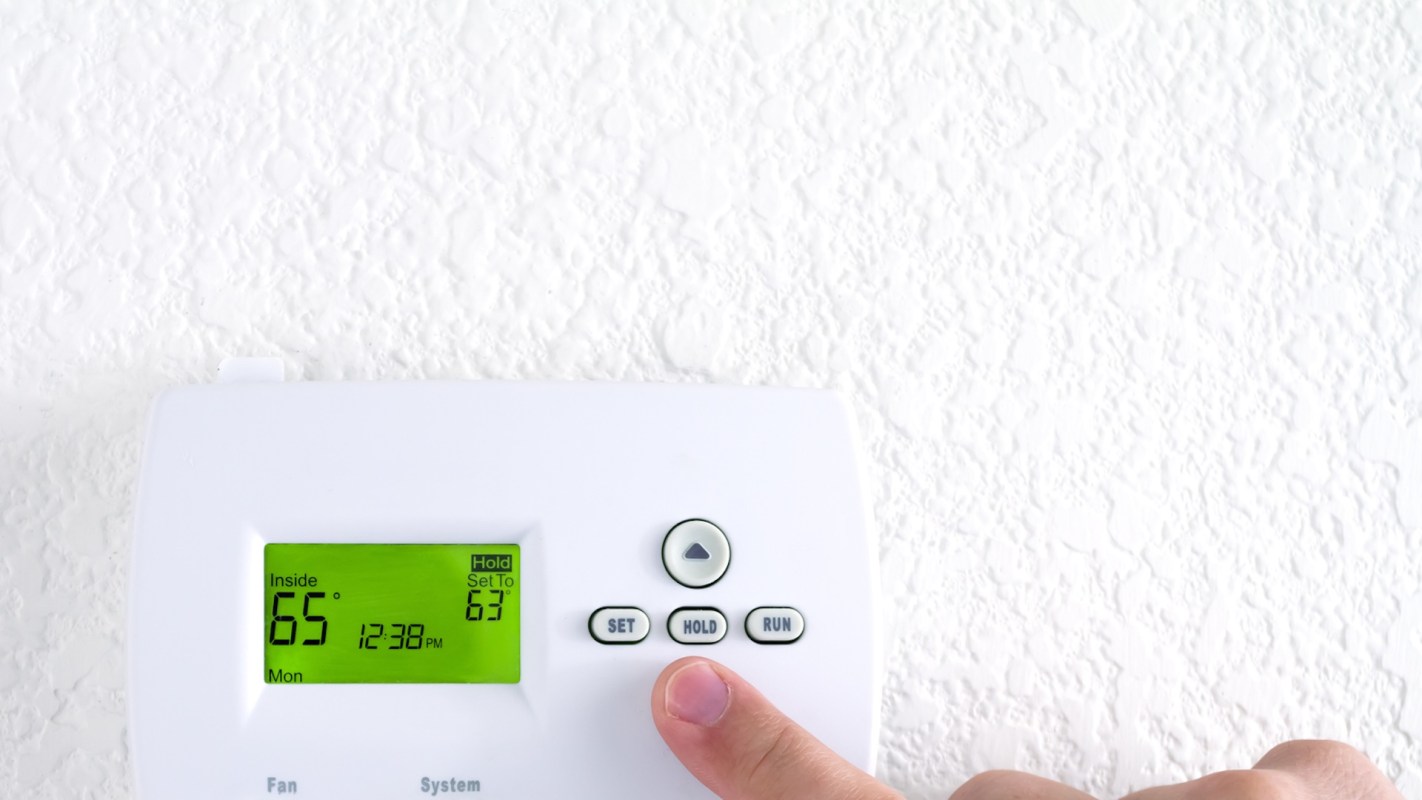
A renter in North Carolina turned to Reddit after apartment management warned that running the air conditioning at 65 degrees during 90-degree weather could leave the tenant responsible if the system failed.
In a post on r/hvacadvice on Reddit, the user wrote: "Today the management told me, that if it breaks because I have it so low, I would have to pay for it. I don't understand why it would break. Has anyone else experienced this before?"
What happened?
Several replies suggested the main concern is what many apartment AC systems can realistically handle during extreme heat, not just one specific number on the thermostat.
One user wrote, "65° is extremely low and most homes/apartments are not designed to be able to run that low when it's really hot outside for your area."
Others noted that older buildings and aging equipment can struggle to maintain even moderate indoor temperatures, especially when insulation is poor or windows leak air. That can mean longer run times, higher utility bills, and more friction between tenants and property managers.
Another commenter wrote: "My last apartment ran 24/7 with its 30yo unit just to keep 75f. Bedroom was like 80. Leaked air, single pane windows, crappy insulation."
Why does it matter?
A unit that runs constantly may drive up electricity costs, and if a landlord tries to frame a breakdown as tenant-caused, the result could be a dispute over who is responsible for maintenance.
Many households are exploring newer cooling options. Heat pumps are significantly more energy-efficient than traditional HVAC systems while providing both heating and cooling in one setup. They can also unlock tax credits, rebates, and long-term savings, and EnergySage's Heat Pump Marketplace can help shoppers compare options.
Save $10,000 on solar panels without even sharing your phone number Want to go solar but not sure who to trust? EnergySage has your back with free and transparent quotes from fully vetted providers in your area. To get started, just answer a few questions about your home — no phone number required. Within a day or two, EnergySage will email you the best options for your needs, and their expert advisers can help you compare quotes and pick a winner. Solar panels can save you more than $50k over their 25-year lifespan, and EnergySage can help you save as much as $10k on installation. Which begs the question — isn't that worth an email or two? |

For smaller spaces, Merino offers single-room, ultra-efficient HVAC systems at a lower price point. The company's targeted heating and cooling option could appeal to people trying to cool one room without overworking an older central system.
What can I do?
If you rent and receive a warning like this, experts generally recommend starting with the lease. Look for language about HVAC use, maintenance, and tenant-caused damage, then ask for any building policy in writing if management says certain thermostat settings are not allowed.
It can also help to document indoor temperatures, replace filters if that is your responsibility, and report weak airflow, icing, or nonstop cycling early. If you want to push for more flexible building rules or efficiency upgrades, TCD's HOA guide also offers useful tips for working with landlords or associations.
Homeowners looking beyond rental fixes may also want to explore solar. EnergySage offers a free solar quotes comparison tool. For cooling upgrades, readers can also compare efficient equipment through EnergySage's Heat Pump Marketplace.

Get TCD's free newsletters for easy tips, smart advice, and a chance to earn $5,000 toward home upgrades. To see more stories like this one, change your Google preferences here.






