


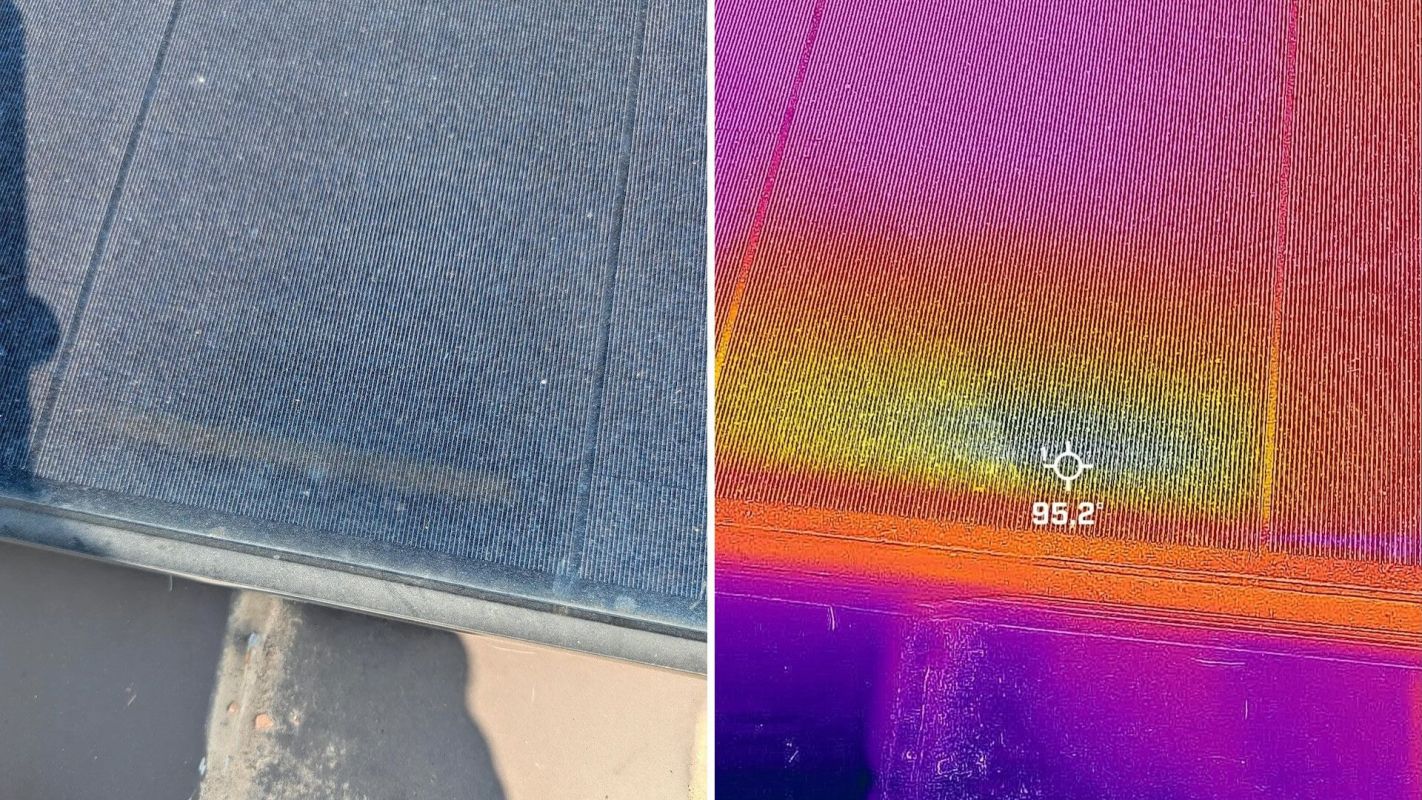
A homeowner trying to troubleshoot a sudden drop in solar production ended up finding something potentially more alarming than an underperforming power string: rooftop hot spots nearing 200 degrees Fahrenheit.
The discovery — made with a thermal camera whose readings may not be perfectly accurate, as the poster and commenters discussed — came after an installer allegedly offered little meaningful help, and it raised questions about whether the issue points to failing cells, a wiring fault, or something else entirely.
What happened?
According to a post on Reddit, the problem showed up on a solar system installed in late 2022 when one string "started producing much less than the other."
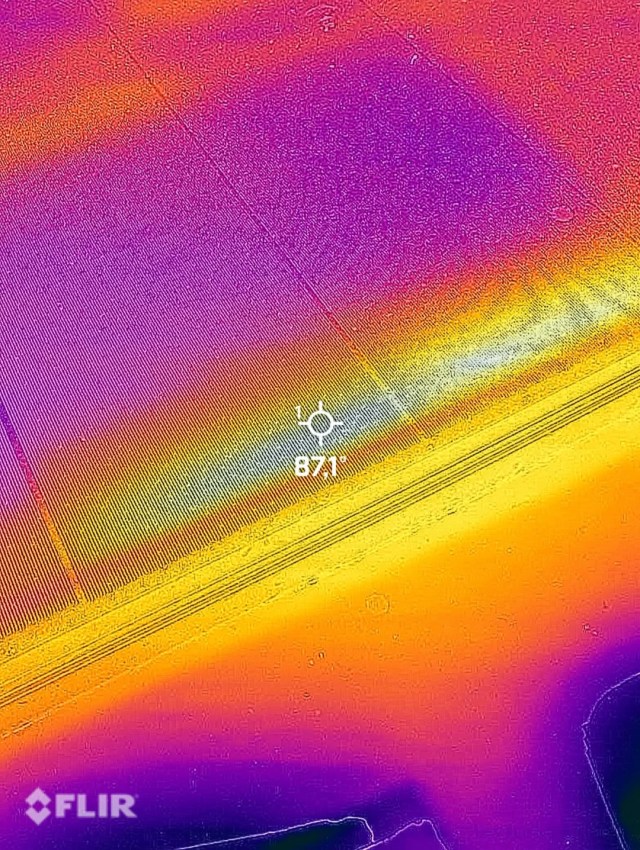
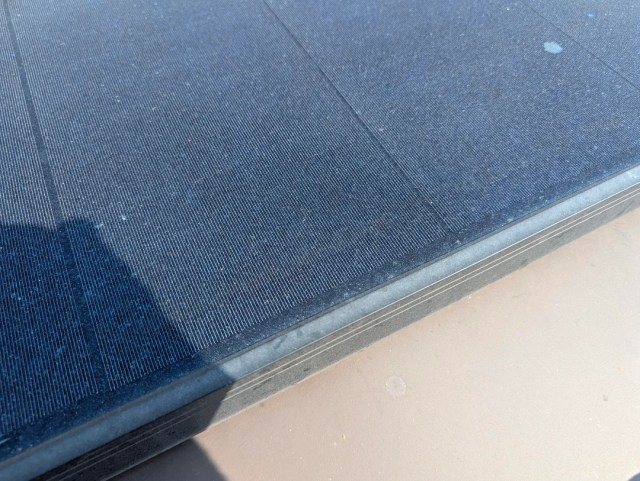
The homeowner said the installer provided little useful troubleshooting and mainly had them try steps to rule out the inverter as the issue.
The user added, "They told me that it would be easier to replace the string than to go through manufacturer warranty."
That response, they said, made it seem like the company "just wanna sell me more stuff rather than actually providing support."
The user then decided to inspect the array personally.
They said, "Long story short I got on the roof and pointed my thermal camera at the panels," they wrote, saying they saw hot areas near the sides of two panels that matched yellowish marks on the cells, with the "highest point … around 200F."
Save $10,000 on solar panels without even sharing your phone number Want to go solar but not sure who to trust? EnergySage has your back with free and transparent quotes from fully vetted providers that can help you save as much as $10k on installation. To get started, just answer a few questions about your home — no phone number required. Within a day or two, EnergySage will email you the best local options for your needs, and their expert advisers can help you compare quotes and pick a winner. |

The discussion in the comments centered on how to read those images, including whether reflective glass might distort thermal measurements and whether the hot spots were more consistent with bad cells or a wiring issue.
Under full sun, a healthy solar panel typically runs around 100 to 140 degrees Fahrenheit across its surface fairly uniformly. If one panel ends up in significant shade, it may fall below its threshold to produce energy and instead be used by the string of panels to dissipate excess heat instead, though 200 (if accurate) would still be overly high. The homeowner also did not mention how hot it was on the day of the reading, which could play a role in a higher reading than normal.
Some advised the homeowner to insist on a warranty claim. Most solar panels are covered on performance for 25 years and on damage for 10 years, and this homeowner said they had the panels installed in 2002, so they should be covered for a claim.
Why does it matter?
When one solar string underperforms, it can drag down the output of an entire rooftop system, cutting into the savings a homeowner expected when they invested in more affordable energy. If the hot spots are real and not simply a reflection issue, they could also be a warning sign.
More From EnergySage
💡Go deep on the latest news and trends shaping the residential solar landscape

Because the underlying problem could range from damaged cells to a wiring fault, the appropriate repair may depend heavily on what technicians find.
What can I do?
If your system suddenly starts producing less power, it can help to document everything before agreeing to a costly replacement.
If you're still shopping for panels, EnergySage actually keeps rankings and reviews of the best panels, and quality here would be paramount — most likely, any of the top-rated panel brands would not run into this issue.
EnergySage can also help you go solar with free tools that let you curate competitive bids from local installers without them obtaining any of your contact information unless you choose to work with one further.
Homeowners can also check EnergySage's solar map, which shows the average cost of a home solar panel system on a state-by-state level, along with solar incentives available in each state. Together, those resources can help you get the best price for rooftop solar panels and access available incentives.

Get TCD's free newsletters for easy tips, smart advice, and a chance to earn $5,000 toward home upgrades. To see more stories like this one, change your Google preferences here.






