



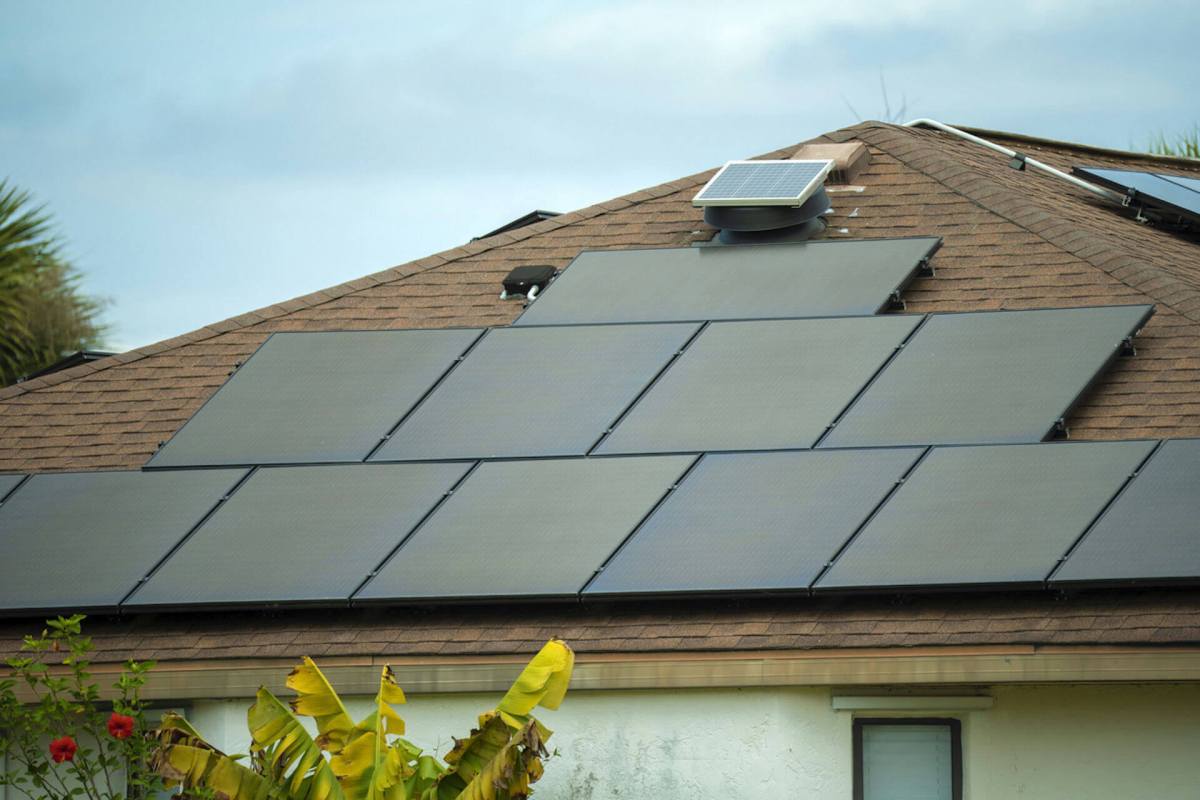
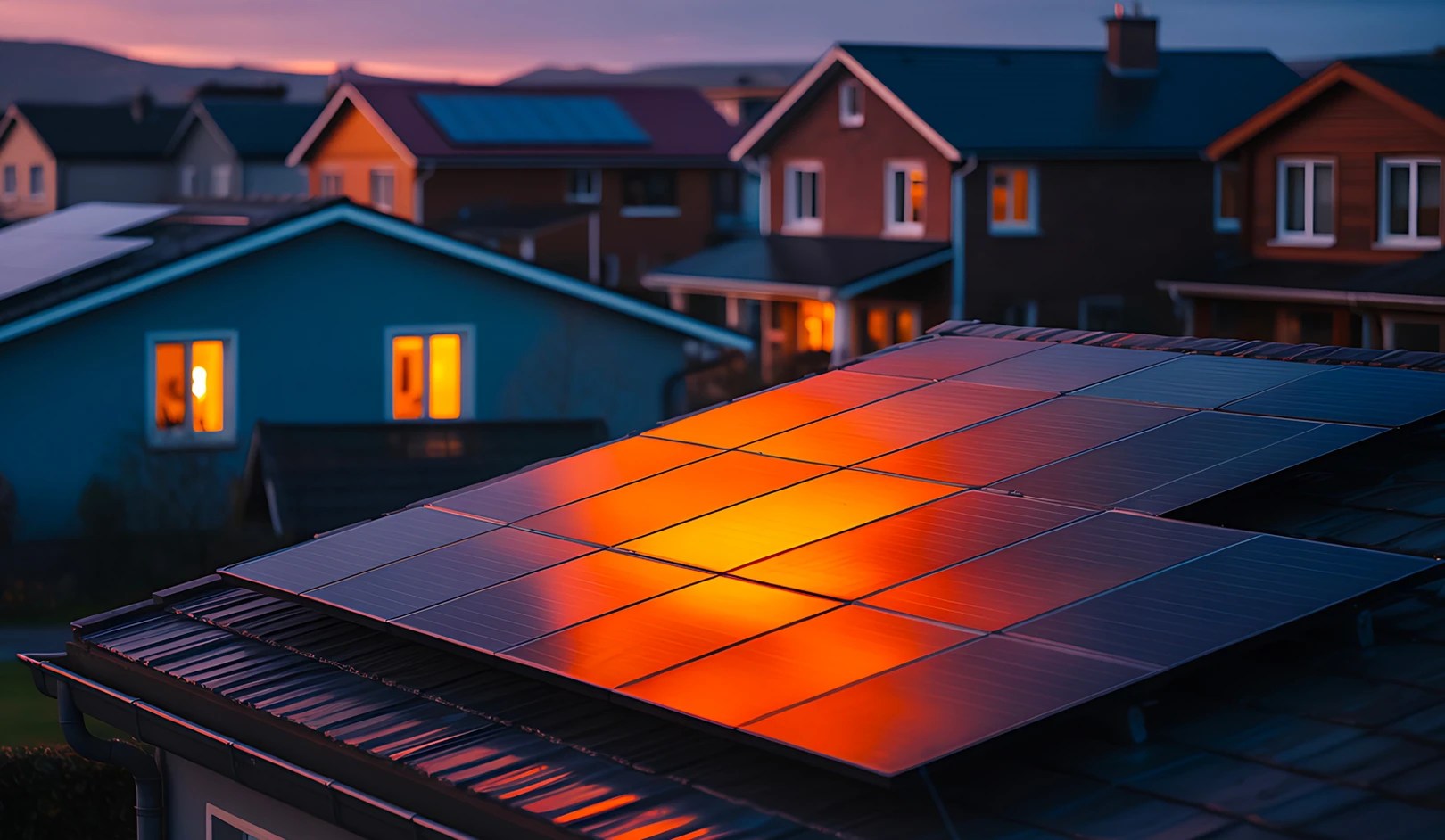
Rooftop solar is increasingly becoming a standard part of home energy use in Southern California. In San Diego Gas & Electric territory, more than 350,000 residential customers are producing electricity at home, according to Energies Media. That at-home energy production is reshaping the grid.
What's happening?
Across 27 cities in two counties, SDG&E serves roughly 3.7 million people. Within that service area, residential rooftop solar has spread to more than a quarter of customers in San Diego and southern Orange County, an adoption level among the highest in the nation.
The significance goes beyond the customer count. As more households generate electricity on-site and send excess power back out, the grid is functioning less like a one-way delivery system from large plants to homes and more like a two-way network.
For many households, rooftop solar has become a practical part of everyday energy use.
Why does it matter?
For homeowners, going solar is one of the best ways to save money on home energy. If you're curious about the numbers, you can use EnergySage's free tools to get quick solar installation estimates and compare quotes.
The rise in rooftop solar can also help cut pollution by reducing reliance on dirtier energy sources. At the household level, it gives families more control over electricity costs, which is especially important as utility bills remain a major pressure point for many budgets.
For the grid, a larger share of customer-generated power means utilities must manage an energy network that is both more flexible and more complex.
What's being done?
According to SDG&E, part of its effort has been to simplify how customers connect solar systems to the grid while also performing above state standards.
Save $10,000 on solar panels without even sharing your phone number Want to go solar but not sure who to trust? EnergySage has your back with free and transparent quotes from fully vetted providers that can help you save as much as $10k on installation. To get started, just answer a few questions about your home — no phone number required. Within a day or two, EnergySage will email you the best local options for your needs, and their expert advisers can help you compare quotes and pick a winner. |

If you're considering panels yourself, EnergySage can help you go solar with free tools that let you curate competitive bids from local installers without them obtaining any of your contact information unless you choose to work with one further. That can make it easier to compare equipment, pricing, and installer options side by side.
You can also use EnergySage's solar map, which shows the average cost of a home solar panel system on a state-by-state level, as well as details on solar panel incentives for each state. Together, these resources can help readers get the best price for rooftop solar panels and access available incentives.
EnergySage's free services can be especially valuable for shoppers trying to avoid overpaying. With EnergySage's help, an average person can save up to $10,000 on solar purchases and installations. That kind of transparency can make a big home upgrade feel much more manageable.
Adding battery storage to a solar setup is one of the best ways to protect your home during outages, save money on energy, and go off-grid. Batteries can store extra daytime power for use at night or when the grid goes down. You can also explore EnergySage's free tools for information about home battery storage options, including competitive installation estimates.
More From EnergySage
💡Go deep on the latest news and trends shaping the residential solar landscape


"The energy system is changing because our customers are leading that change," Scott Crider, president of SDG&E, said, per Energies Media.
"Our responsibility is to help the grid evolve with them. That means building a system that can safely integrate customer-generated energy while continuing to deliver the reliability our customers expect."

Get TCD's free newsletters for easy tips, smart advice, and a chance to earn $5,000 toward home upgrades. To see more stories like this one, change your Google preferences here.






