


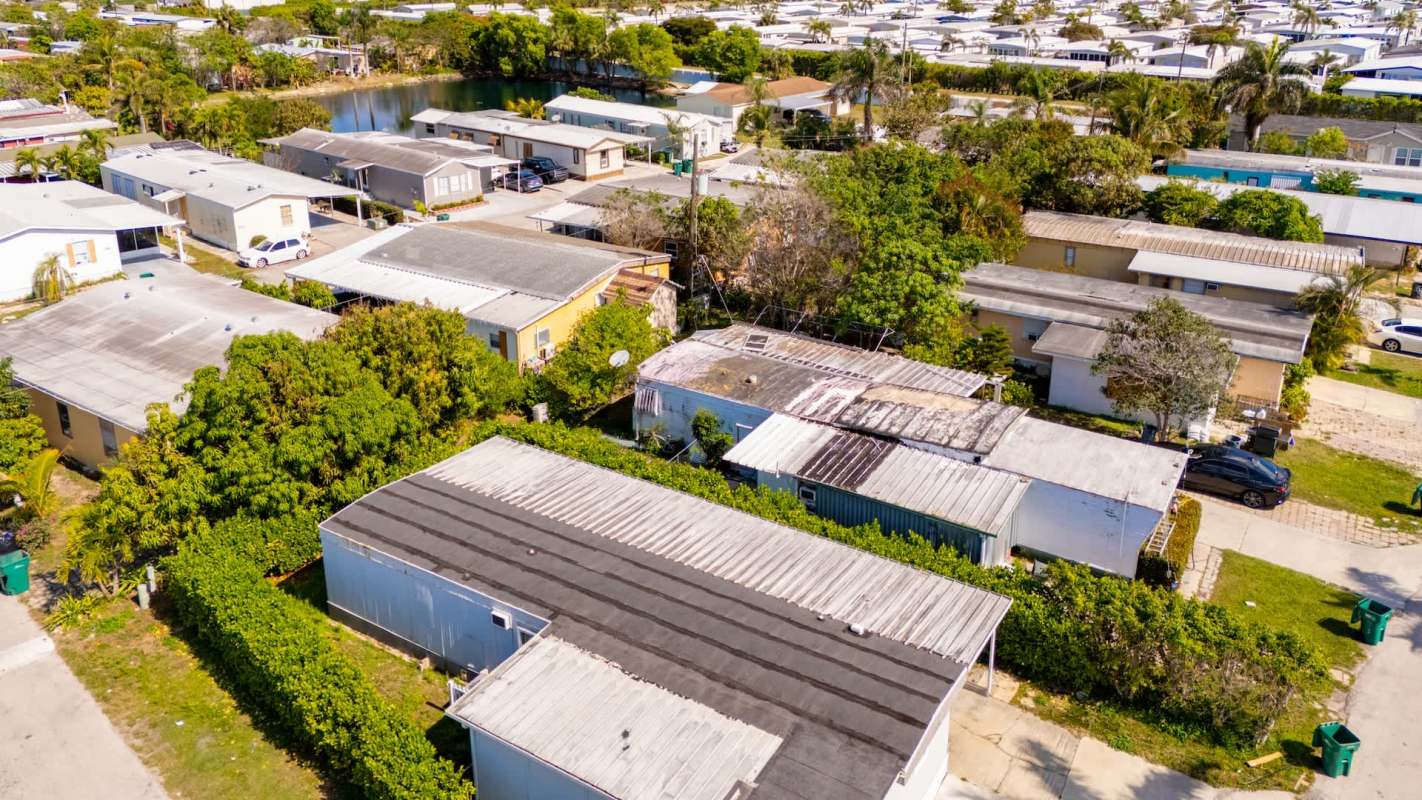
In Los Angeles County, mobile home parks have become one of the few housing options that can still work for retirees living on fixed incomes. As more of those parks disappear, residents are being pushed toward moves that are often beyond what they can pay for.
What's happening?
Owning a mobile home in California can still mean lower monthly housing costs than other common options. U.S. Census Bureau data, as cited by the Los Angeles Times, puts the typical cost for mobile home owners at about $1,200 a month, several hundred dollars below what apartment renters and traditional homeowners usually pay. Even so, Los Angeles County has lost about 200 mobile home parks since 1986, or roughly one-quarter of its total.
That price gap helps explain why Carmen Silverio Guardado and her husband have stayed at Flamingo Gardens Trailer Park in Carson. They own their home, but they pay about $430 a month to rent the lot beneath it, which takes up a meaningful share of their Social Security income.
In fact, most residents own only the home itself, not the land under it. Stephanie Hawke, associate research director of land use and supply at the Terner Center for Housing Innovation at UC Berkeley, told the Times that mobile home parks are "the best naturally occurring affordable housing that there is," while also saying that "the placement of new parks is nearly impossible."
The decline shows up clearly city by city. Carson had 36 mobile home parks in 1980 and now has 20, while in Bell, nearly 300 residents at two city-owned parks were told last year that the properties would be sold and closed.
Why does it matter?
For seniors and low-income families, park closures can turn into financial disasters. Moving a mobile home can cost tens of thousands of dollars, many parks refuse older units, and when relocation is not possible, people may lose one of the only assets they own.
TCD Picks » Quince Spotlight
💡These best-sellers from Quince deliver affordable, sustainable luxury for all




These communities are also places where residents have put down deep roots. Around Silverio Guardado's home, for example, she grows pomegranates, guavas, dragon fruit, oregano, and lemongrass.
Each park that closes also removes more lower-cost housing from an already tight market. Maria Aguilar, a mobile home owner in Pico Rivera and volunteer with the Golden State Manufactured-Home Owners League, told the Times that park owners often want to replace these properties with uses that "can make more money for them," such as "apartments or condos."
What's being done?
Carson has taken steps meant to make redevelopment harder. In 2023, the city created a special land-use designation for mobile home parks, so owners who want to convert those sites must first go through a rezoning process that can be lengthy and expensive.
Residents are organizing as well, seeking stronger protections and better relocation terms when closures happen. They have also pushed elected officials to intervene. In Bell, Los Angeles County Supervisor Janice Hahn urged the city to abandon its plan to shut down the parks, though public notices indicate the closures are still moving ahead.
California law requires relocation assistance when parks close, but residents and advocates say those payments often do not come close to covering what people need in the current housing market.
Glenn White, a resident of Park Avalon Mobile Home Park in Carson, said, "I kiss the ground every day." Jeff Steiman, one of about 300 mobile home owners at Imperial Avalon Mobile Estates in Carson, warned, "This is why buying a mobile home is dangerous, because it's still private land."
Mobile home owners dealing with an HOA that restricts money-saving changes like gardening or line-drying clothes can consult The Cool Down's HOA guide for tips on changing bylaws.

Get TCD's free newsletters for easy tips, smart advice, and a chance to earn $5,000 toward home upgrades. To see more stories like this one, change your Google preferences here.






