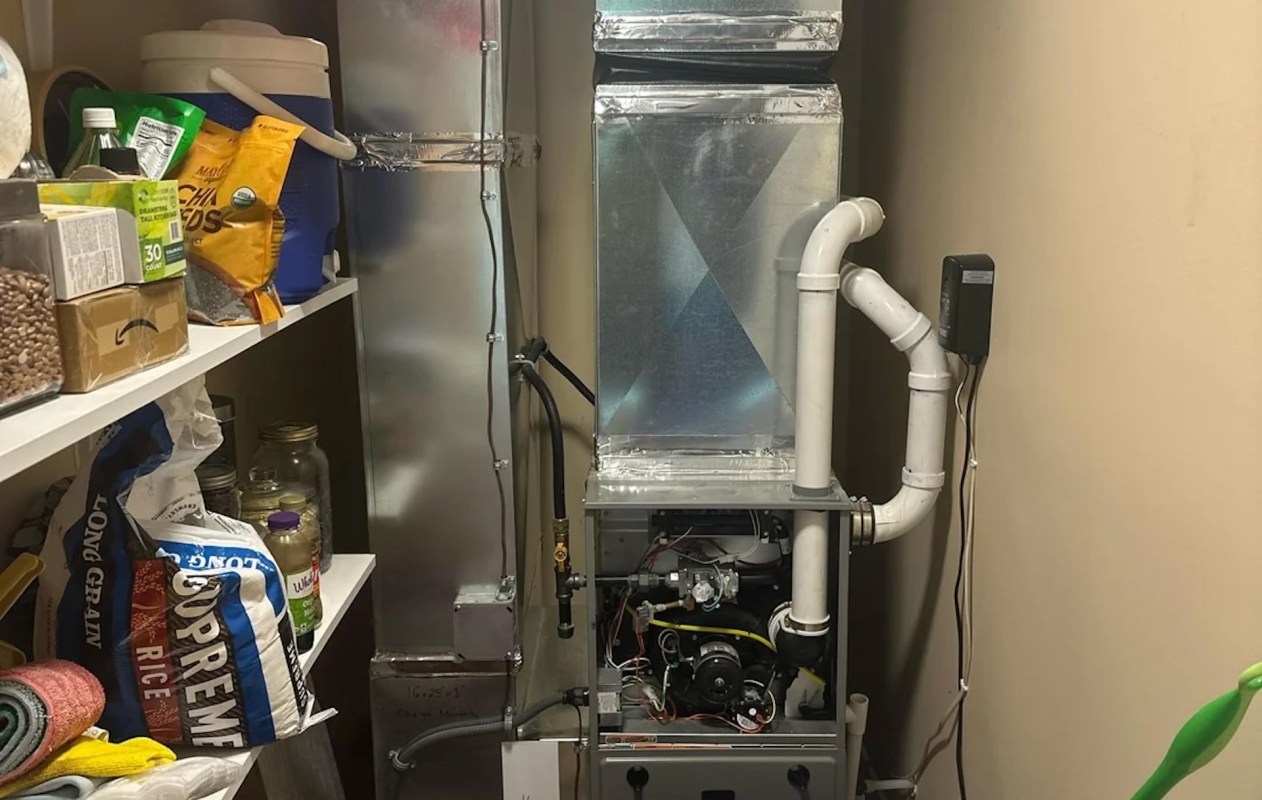
After moving into a house they believed had air conditioning, a new homeowner went online for answers when the system pushed air through the vents without actually cooling the home.
On Reddit, the homeowner opened with, "Ok bear with me. Total HVAC noob here," and then asked, "Help! Did we get scammed with an incomplete system? Or am I missing something."
What happened?
At first, the setup seemed to match what they had been told. The house had vents in each room, and air came out when the thermostat was switched to cooling mode, but the indoor temperature never dropped.
The more obvious problem was outside. The homeowner could not find any condenser unit on the property, only a pair of PVC pipes exiting the wall, and that detail quickly stood out to Reddit commenters.
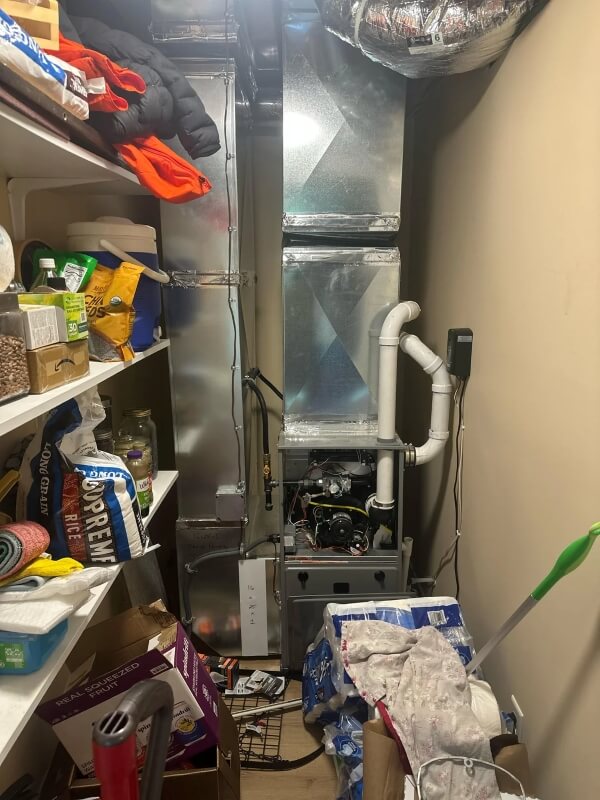
Many readers said the explanation was simple.
One commenter replied, "Looks like a heat only system to me," while another put it even more directly: "If you have no A/C condenser outside, then you got no A/C."
For homeowners in this situation, a heat pump can be a smart upgrade because it provides both heating and cooling. That can translate to lower monthly bills, plus potential tax credits, rebates, and long-term savings; homeowners comparing options can start with EnergySage's Heat Pump Marketplace.
For people who don't need a whole-home replacement, Merino offers single-room HVAC systems. It's a targeted heating and cooling option.
Save $10,000 on solar panels without even sharing your phone number Want to go solar but not sure who to trust? EnergySage has your back with free and transparent quotes from fully vetted providers in your area. To get started, just answer a few questions about your home — no phone number required. Within a day or two, EnergySage will email you the best options for your needs, and their expert advisers can help you compare quotes and pick a winner. Solar panels can save you more than $50k over their 25-year lifespan, and EnergySage can help you save as much as $10k on installation. Which begs the question — isn't that worth an email or two? |

Why does it matter?
This kind of misunderstanding can get expensive quickly. If a buyer assumes "central air" means central air conditioning, they may plan for standard utility costs and reliable summer cooling — only to find out later that a major HVAC upgrade is needed.
The thread also showed how murky real estate terminology can be.
Commenters noted that "central air" is sometimes used to describe a centrally ducted forced-air system, even when that system only heats the home. That distinction becomes especially important when hot weather arrives.
Because the home already has ductwork, adding cooling equipment may be easier than it would be in a house that lacks vents and ducts altogether.
Choosing modern equipment can also help reduce energy waste compared to older or less efficient systems, which can make a difference for both household budgets and the pollution associated with electricity use.
What can I do?
If you are buying a home, commenters said it is worth confirming how the HVAC system actually works instead of relying solely on listing language. That can mean running both heat and cooling during the inspection and checking for AC components such as an outdoor condenser, refrigerant lines, and an evaporator coil.
If you already own the home and discover there is no A/C, it may be worth reviewing the sales listing, disclosure forms, and inspection report to see exactly how the system was described. If it was misrepresented in writing, you may want to speak with your agent or an attorney.
Homeowners looking to lower operating costs after an HVAC upgrade can also compare solar options through EnergySage. Shoppers considering efficient heating and cooling can also revisit EnergySage's Heat Pump Marketplace.

Get TCD's free newsletters for easy tips, smart advice, and a chance to earn $5,000 toward home upgrades. To see more stories like this one, change your Google preferences here.