


Work on the rail link between Oxford and Cambridge is doing more than advancing a major construction project.
As the route is restored and expanded, archaeologists working alongside it are finding remains from Roman Britain that had been buried for nearly 2,000 years.
What happened?
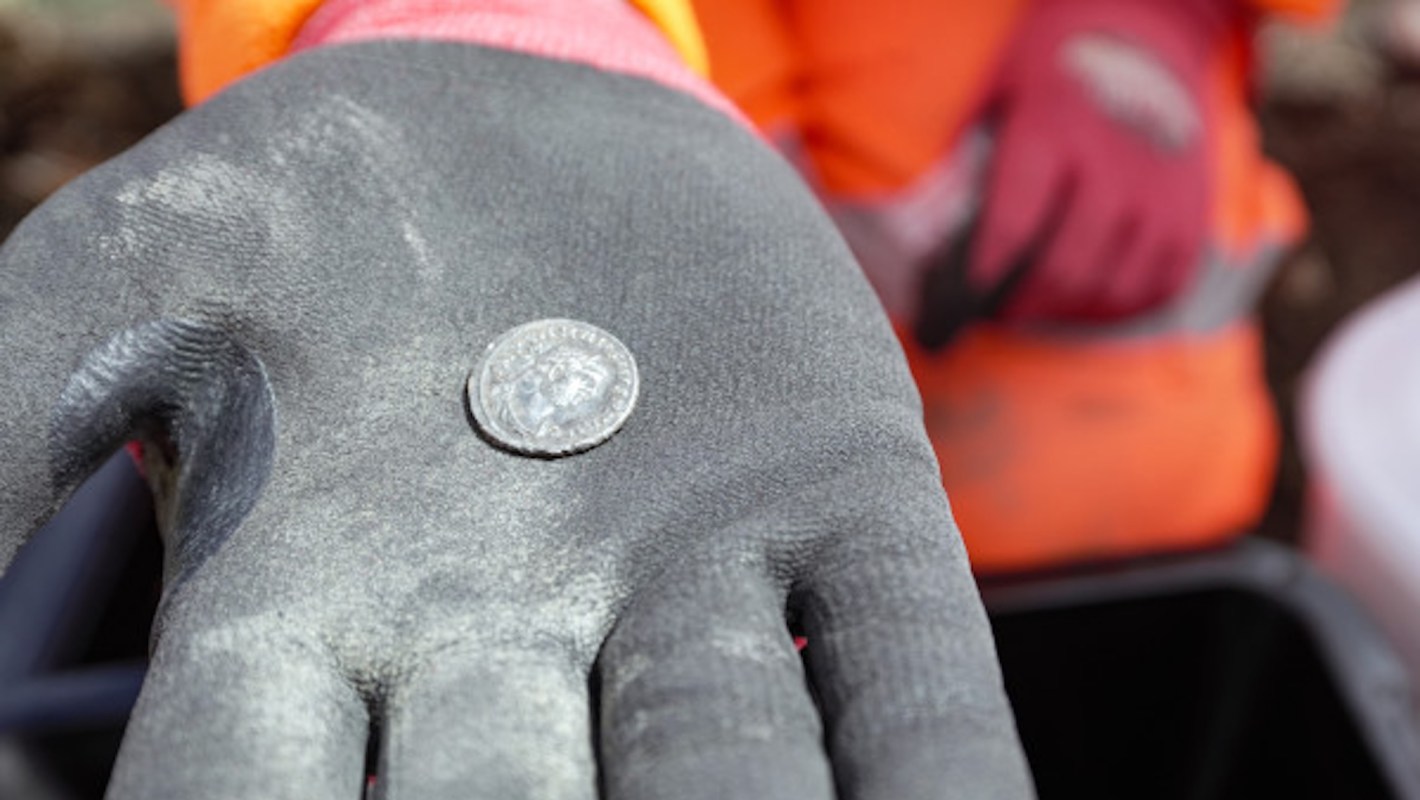
Along the East West Rail route between Oxford and Cambridge, archaeologists found a Roman coin that is about 1,740 years old and uncovered evidence of a settlement and agricultural activity in Bedfordshire and Cambridgeshire, Fox News Digital reported. East West Rail announced the discoveries on July 1.
The coin is marked with the name of Roman Emperor Carausius, a naval commander linked to a Roman fleet in the English Channel. Photos released by East West Rail show the coin in remarkably good condition even after centuries underground.
According to Mike Court, East West Rail's historic environment lead, some of the project's most notable finds only came to light once trenches were dug, rather than through standard survey methods alone.
"Geophysical survey doesn't generally show finds, cremations or burials, so these are often unexpected when they appear in the trenches," Court told Fox News Digital.
TCD Picks » Quince Spotlight
💡These best-sellers from Quince deliver affordable, sustainable luxury for all




He said the coin was part of a wider set of discoveries rather than a lone find.
"These sites comprise numerous features, such as pits, ditches and postholes, cut into the natural ground," he said.
Court noted that pottery helps archaeologists date features and that metal detecting is often how coins are found.
Why does it matter?
The discovery shows how large infrastructure projects can do more than reshape modern travel networks. They can also reveal pieces of shared history before those traces are lost or built over.
Because the findings stretch from the Iron Age into the Roman era, they can help researchers build a clearer picture of how people in this part of Britain lived and farmed over hundreds of years.
As Court put it, "Maybe the most compelling thing about these objects is not their association with emperors and historic events, but [their] connection to ordinary people."
The excavation also creates opportunities for preservation, research, and a better understanding of the landscapes communities live on today.
What's being done?
East West Rail is conducting a large-scale archaeological trenching program alongside the rail restoration and construction work. After digging more than 1,000 trenches, archaeologists said they are already seeing "some really interesting results."
Court said the team expects many more discoveries as the project continues. The plan calls for about 6,000 trenches in total, and the trenching effort is expected to continue over the next two years.
The Roman coin may be only one of many important objects and sites uncovered along the route. The ongoing work gives archaeologists time to document features, recover artifacts, and better understand the significance of each site before construction progresses.
"We know from other projects nearby that this part of Britain has a rich archaeological landscape, and we weren't disappointed," Court said. "By the time we [are] finished, we expect to find archaeology from most, if not all, periods of British history and prehistory."

Get TCD's free newsletters for easy tips, smart advice, and a chance to earn $5,000 toward home upgrades. To see more stories like this one, change your Google preferences here.






