


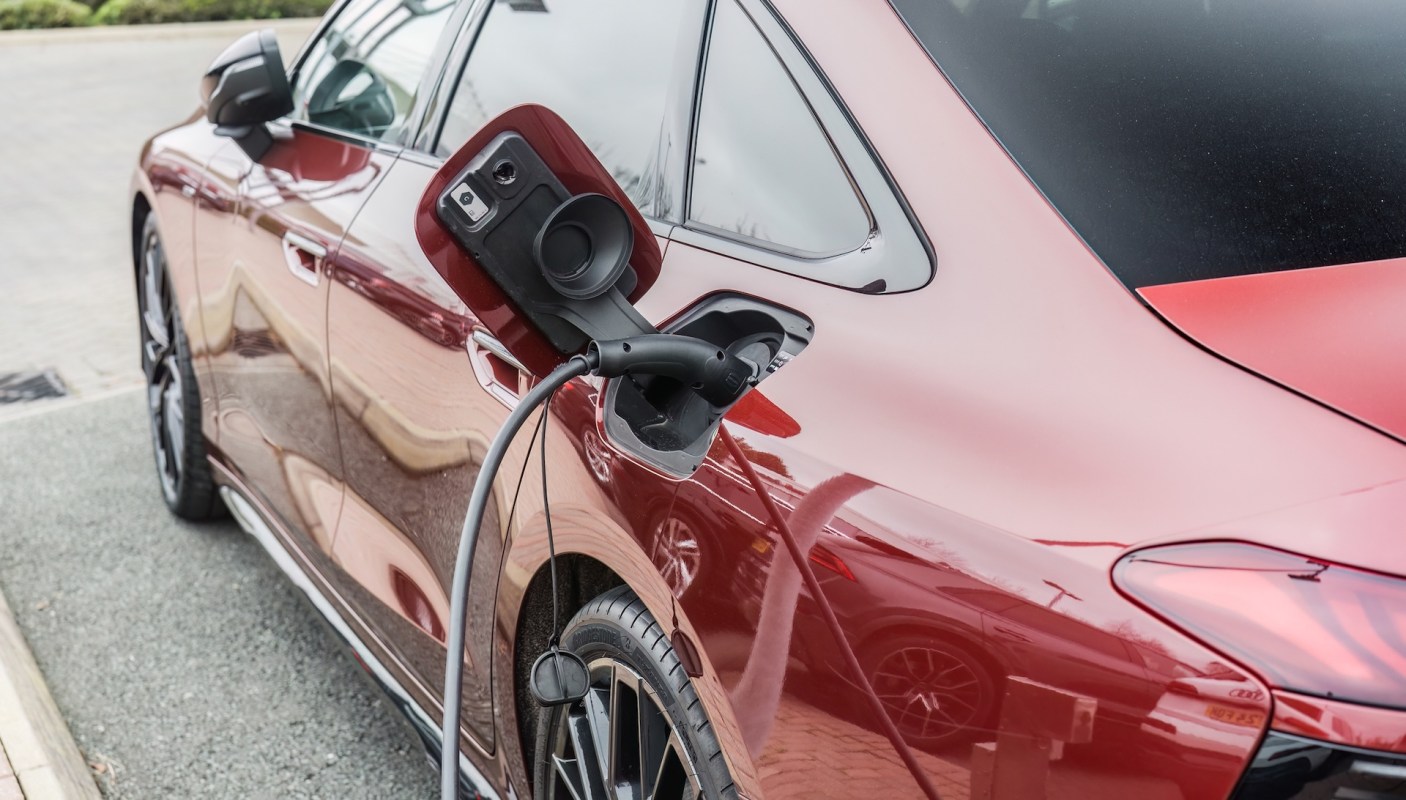
California is rolling out a new electric vehicle rebate program that could take thousands of dollars off the price of a car at the dealership.
The catch is that the rebate will apply only to certain vehicles from participating automakers.
What's happening?
Instead of waiting until tax season, buyers would get the savings immediately at checkout: up to $3,500 on qualifying new EVs and up to $1,750 on qualifying used ones.
Rivian and Lucid are exempt from the program's price thresholds. For other brands, InsideEVs reported that new EVs must be priced below $50,000 and used EVs below $25,000 to qualify.
California's incentive is meant to replace the federal EV tax credit that ended last fall, after Governor Gavin Newsom said the state would step in with its own program. But the new rebate is smaller than the former federal benefit and is available only if an automaker takes part.
Several brands are missing even though 13 automakers have joined the program, including Dodge, Jeep, Mercedes, BMW, Audi, Volkswagen, and Maserati. Pricing seems to be a big factor, since most of those companies do not currently sell EVs under the program's $50,000 limit.
TCD Picks » Quince Spotlight
💡These best-sellers from Quince deliver affordable, sustainable luxury for all




Why does it matter?
The upfront cost of an EV remains one of the biggest barriers to making the switch. While a $3,500 rebate may not erase the full price difference, it could still make a meaningful dent for households looking to cut fuel and maintenance costs.
The brand restrictions could also shape what consumers end up buying. If one automaker participates and another does not, two similarly priced EVs could carry very different final costs at the dealership. That could steer more shoppers toward a narrower set of models.
There are also some quirks in the rollout. Honda is participating even though production of the Honda Prologue is expected to wrap up later this year, and Volvo appears on the list despite not currently offering a new EV below the cap after the EX30's cancellation.
The state says used EVs can qualify for a $1,750 rebate, but questions remain about how brand participation will affect the secondhand market, especially if one used model receives the discount and another does not.
What's being done?
Rather than sending drivers to wait for a later refund or tax credit, California plans to fold the incentive into the purchase at the dealership. That makes the savings more immediate and easier to factor in when comparing monthly payments.
For new vehicles, the $3,500 rebate is split evenly between the automaker and the state, with each covering $1,750.
Trim level, added options, and the final sale price could all determine whether a vehicle remains under the cap. A base version may qualify, while a higher-end trim of the same model may not.
Used EV eligibility will also depend on the final rules when the program launches later this year. Eligibility could hinge not only on price but also on brand participation.
California's new incentive could make EV ownership more affordable for many drivers, but the fine print will play a major role. Brand participation, trim level, and sticker price will all affect whether a vehicle qualifies.

Get TCD's free newsletters for easy tips, smart advice, and a chance to earn $5,000 toward home upgrades. To see more stories like this one, change your Google preferences here.






