


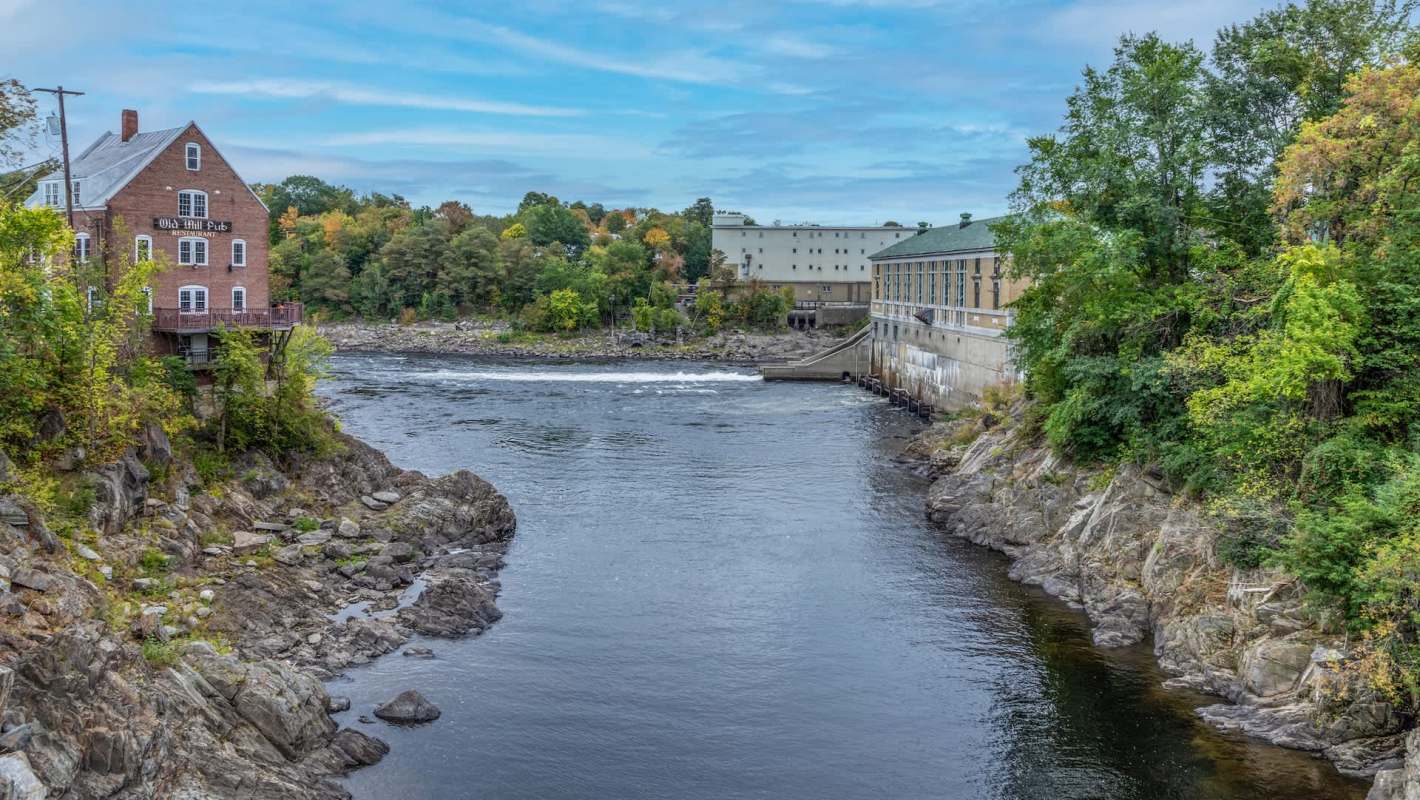
Residents living near Maine's Kennebec River saw thick black oil coating branches, rocks, and shoreline close to their homes before investigators linked the nearly 2-mile spill to a paper mill.
For those neighbors, the finding was especially frustrating because the mill had first denied responsibility.
What happened?
Near Clinton, Maine, the spill was first spotted during the weekend of April 26. Officials told the Bangor Daily News that the slick extended for almost 2 miles. Initial estimates put the release at about 2,000 gallons, though the total amount was hard to determine.
A U.S. Coast Guard analysis found that the No. 6 oil in the river matched oil from Sappi's Somerset Mill in Skowhegan.
"All oil has its own fingerprint, so to speak, of where it's been, how it's made, where it comes from," said Lt. Cmdr. Blake Maurer of the Coast Guard.
Before that match was established, Sappi senior process engineer Ross Nason told the Maine Department of Environmental Protection in an April 23 email, "We have found no evidence of a discharge of oil to a Maine waterway."
TCD Picks » Quince Spotlight
💡These best-sellers from Quince deliver affordable, sustainable luxury for all




Later, Sappi spokesperson April Jones confirmed to the Bangor Daily News that the company knew the spill had the same "chemical signature" as oil used at the mill.
She added, "No one wants oil in the Kennebec, including us."
Why does it matter?
Clinton resident Cathy Sioch said the river looked as if "black candle wax" had been dripped across it, and it felt like used car oil when she touched it. She also noted that oil was dripping from branches and pooling between rocks. That kind of contamination can foul shorelines, threaten aquatic life, and make a river unsafe or unusable for people living nearby.
In the days before the Clinton spill was discovered, two oil leaks had already been reported on the Sappi campus.
What's being done?
State and federal regulators are still investigating the incident.
Maine DEP spokesperson David Madore said, "The DEP is currently collaborating with the Environmental Protection Agency to assess potential enforcement actions related to the discharge into the river."
The Coast Guard had identified Sappi as the source by early May and notified the DEP, but agencies still have not said exactly how many gallons entered the river.
While Sappi said it cooperated fully with regulators, the investigation could still determine whether additional penalties or corrective action are needed.

Get TCD's free newsletters for easy tips, smart advice, and a chance to earn $5,000 toward home upgrades. To see more stories like this one, change your Google preferences here.






