


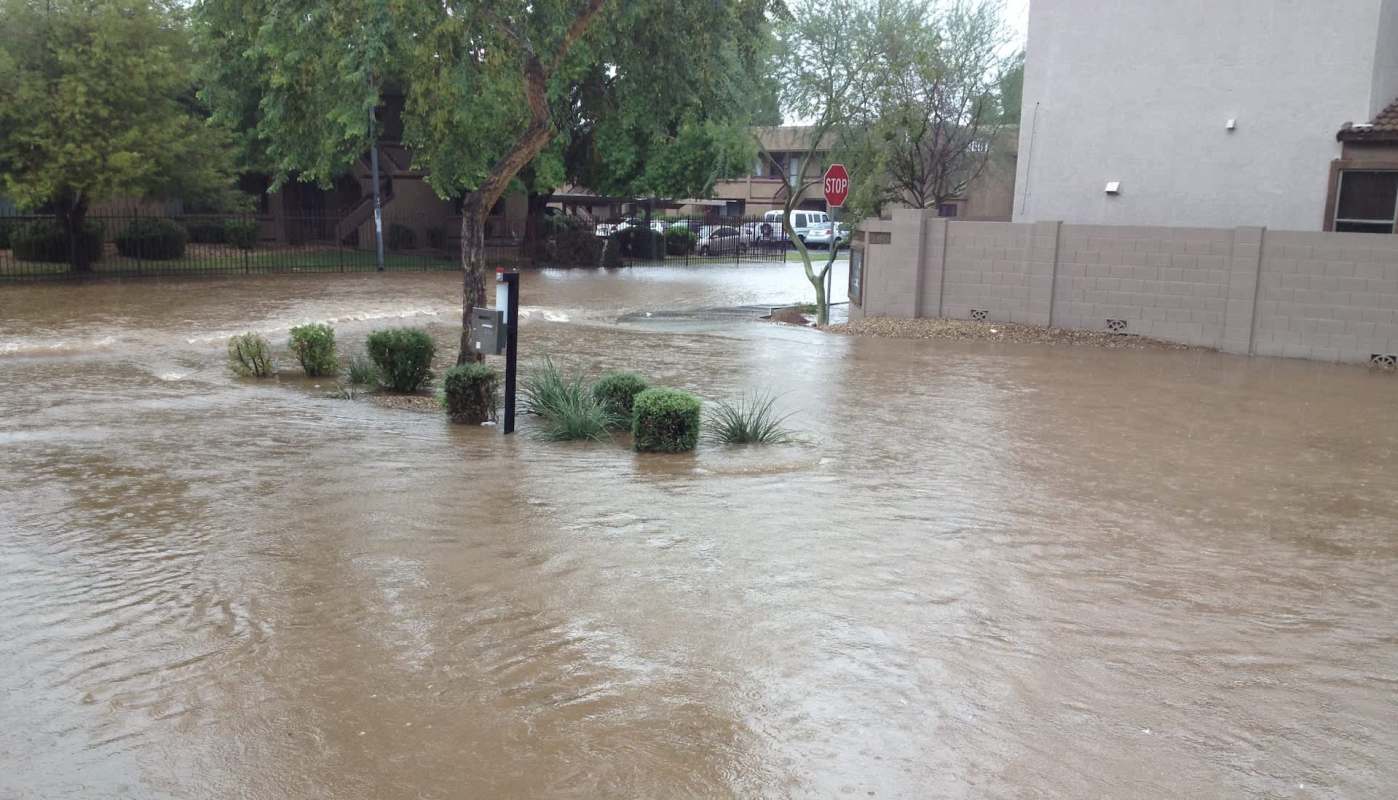
Phoenix's summer monsoon offered a sharp reminder recently of how quickly desert weather can turn dangerous. Heavy rain, gusty winds, blowing dust, and small hail swept across the Valley, knocking out power, delaying flights, and making travel hazardous.
What happened?
According to ABC15, the storm reached metro Phoenix on Monday evening, July 20, and lasted into Tuesday morning, with road cameras still picking up rain around 4 a.m. As the system moved west, the most notable effects were powerful wind and widespread outages.
The biggest utility problems came as SRP's outage count climbed from about 9,000 customers to nearly 12,000 before beginning to drop. APS also showed thousands of customers without electricity at different points overnight.
Thunderstorms also affected air travel. Phoenix Sky Harbor International Airport went into a ground stop that remained in effect until 10:05 p.m. Dozens of flights were still delayed after it ended, and a United Airlines commercial flight was diverted to Luke Air Force Base because of severe weather.
By Tuesday morning, service had largely been restored. APS listed about 52 customers without power, and SRP reported around 400.
Why does it matter?
Monsoon storms are a normal part of life in Arizona, but they can still be highly disruptive. High winds, blowing dust, and heavy rain can cut off electricity, delay flights, flood roads, and make commuting dangerous within minutes.
TCD Picks » Quince Spotlight
💡These best-sellers from Quince deliver affordable, sustainable luxury for all




Losing power during an Arizona summer can mean losing air conditioning during extreme heat, which can be especially dangerous for older adults, young children, and people with medical conditions. Flight delays and road closures can also disrupt work schedules, deliveries, and emergency response.
A warmer atmosphere can hold more moisture and intensify downpours, while heat and drought can leave communities more exposed to blowing dust, flash flooding, and strained infrastructure. That combination puts pressure on household budgets, business operations, and public safety.
What can I do?
During monsoon season, keeping phones charged, flashlights ready, and an emergency kit stocked with water, medications, and backup batteries can help if outages last longer than expected.
Drivers should be especially careful during dust advisories and periods of heavy rain. Visibility can drop quickly, and flooded roads are often more dangerous than they appear. If a storm is approaching, delaying travel is often the safest choice.
People can also sign up for local weather alerts, monitor utility outage maps, and report outages to their power provider. For air travelers, checking flight status before heading to the airport can help avoid unnecessary delays and long waits during storm-related ground stops.
Household resilience measures such as weatherproofing, backup power options, and energy-efficient cooling can help make homes safer and more comfortable when severe weather hits.

Get TCD's free newsletters for easy tips, smart advice, and a chance to earn $5,000 toward home upgrades. To see more stories like this one, change your Google preferences here.







