


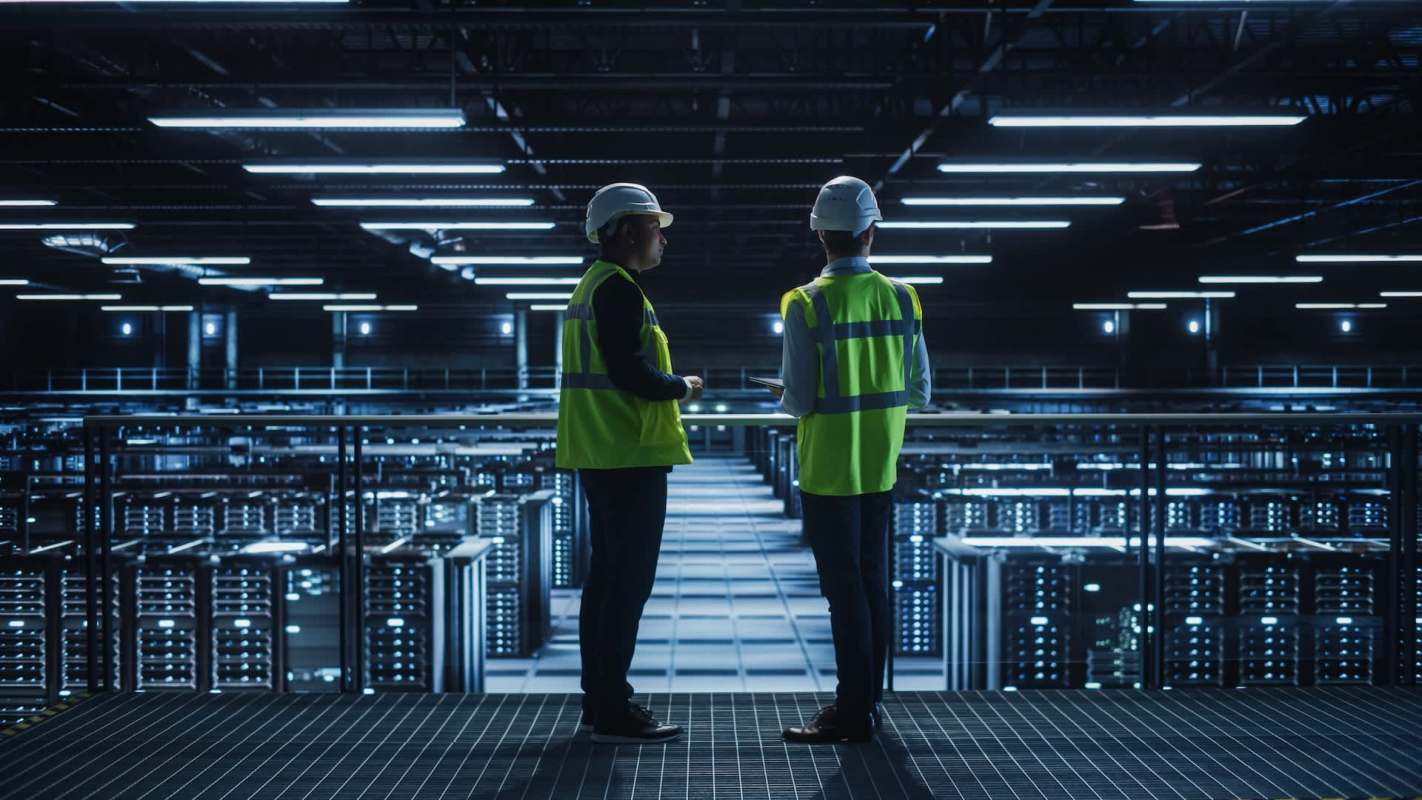
A proposal to explore building a data center at an industrial park in Eastern Kentucky is raising a major question for people across the region: Can tech growth bring jobs and tax revenue without putting new strain on resources such as water, wastewater systems, and the power grid?
In Letcher County, that debate is already taking shape.
What's happening?
Near Jenkins, Kentucky, the Gateway Business Park is being considered as a possible site for a data center, according to One East Kentucky officials cited by WYMT.
One East Kentucky President and CEO Colby Kirk said the Appalachian Industrial Development Authority has reached an agreement with Diversified Gas and Oil Corporation and Maverick Holdings related to the potential purchase of around 100 acres there.
Kirk has emphasized that the proposal is still in its earliest phase.
"Data centers are getting a lot of attention, just in general right now. It is important to note this project is very early in the process of where it's at," he said.
TCD Picks » Quince Spotlight
💡These best-sellers from Quince deliver affordable, sustainable luxury for all




The current focus is on whether the location could be developed to generate its own power for a data operation with large energy and resource demands.
The City of Jenkins said in a public post that it has not been involved in planning, while residents who spoke to WYMT off camera shared mixed opinions — some were opposed to having a data center near their homes, while others expressed interest in the job potential.
Why does it matter?
Data centers have become one of the most closely watched parts of the AI boom because artificial intelligence tools depend on enormous computing power, requiring electricity, cooling, and often substantial water use.
AI can help improve efficiency and optimize clean energy systems, but it can also increase demand for resources, place added pressure on infrastructure, and raise concerns about higher utility bills, security, and noise.
Kirk described on-site generation as a possible advantage.
"This approach of generating power on site, I think makes it more attractive because there would be more job creation that comes with having on-site power. It makes it more sustainable, from a grid standpoint, of not adding strain to the grid or adding cost to residential rate payers."
Even so, an off-grid or self-powered setup would not automatically eliminate local concerns.
In a region searching for economic opportunity, the proposal could bring investment, but only if it does not overburden local resources or create health concerns, such as the poor drinking water conditions experienced by a county close to a Meta data center site.
What's being done?
At this point, the plans are still preliminary.
Kirk said one of the main issues being studied right now is whether electricity could be produced on-site. He said support for the project would depend on it not putting too much pressure on community resources.
"But, at the end of the day, if I feel that a project could harm the community — if it strains water or wastewater resources to such an extent that it could harm the community — I would not be supportive of that."

Get TCD's free newsletters for easy tips, smart advice, and a chance to earn $5,000 toward home upgrades. To see more stories like this one, change your Google preferences here.






