


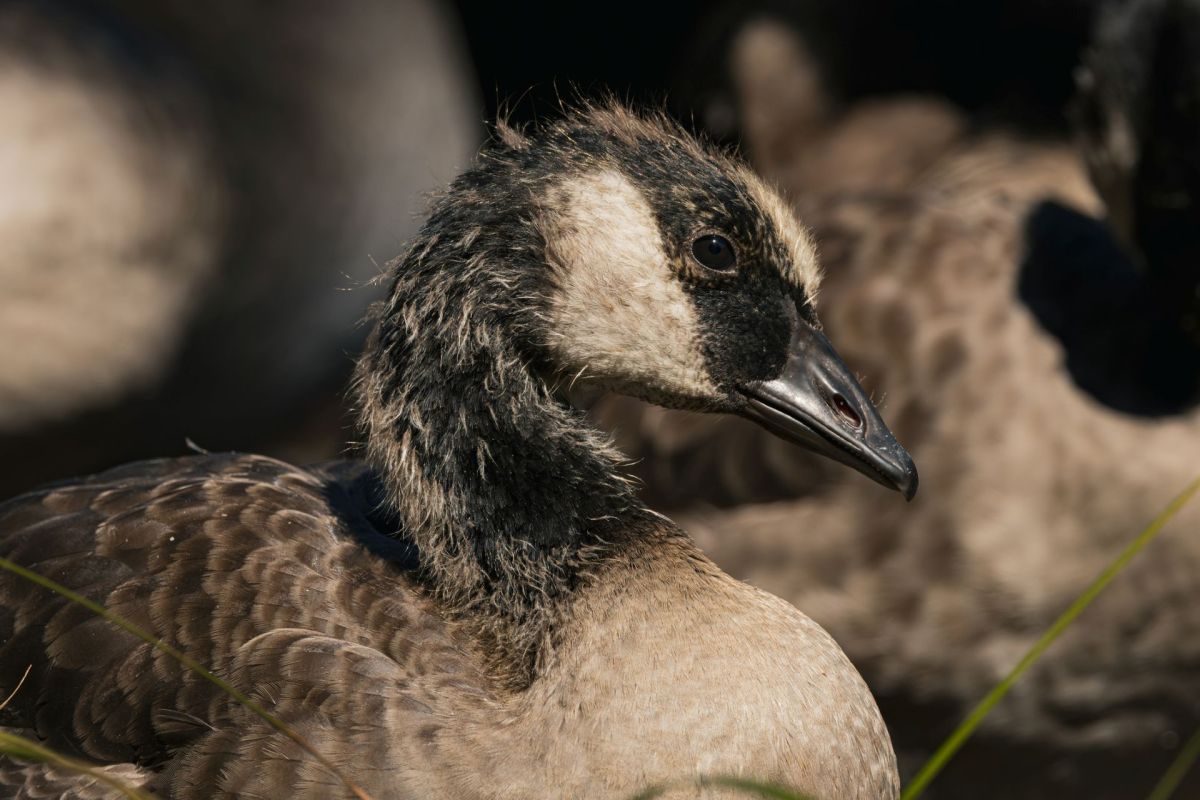
A rescued young Canada goose is drawing attention to a surprisingly common wildlife problem: bread handouts at the park. The bird was found with angel wing, a deformity that twists the wing outward and can leave a goose unable to fly.
What happened?
While watching a group of young Canada geese at a park, a parkgoer named Becky noticed one bird with a bent wing. It was an obvious sign that something was wrong.
In a post, Toronto Wildlife Centre said the goose had angel wing. The wildlife rehabilitation organization described it as "a preventable condition that results in one or both wings twisting outward as they develop."
The organization said poor nutrition is a common factor, especially when ducks and geese are regularly given food meant for people. That matters because tossing bread to waterfowl is still common in many parks, even though it can be seriously harmful.
"One of the most common causes is an improper diet — when waterfowl are regularly fed human foods like bread, they fill up on calories but miss out on the nutrients they need for healthy bone development," the organization wrote.
A photo shared by the organization shows the rescued goose with the deformity clearly visible.
TCD Picks » Quince Spotlight
💡These best-sellers from Quince deliver affordable, sustainable luxury for all




Why does it matter?
For a young goose, the ability to fly is crucial. A wing deformity can make it much harder to escape predators, stay with its flock, and survive in the wild.
The condition is often preventable. Many people grow up believing that feeding bread to ducks or geese is harmless, or even helpful, but the Toronto Wildlife Centre post said repeated feeding can contribute to serious developmental issues.
Animals that live around people are often exposed to food that is filling but nutritionally poor. Human handouts can disrupt the natural diet young birds rely on during critical stages of development.
What can I do?
Stop feeding bread to ducks, geese, and other animals. In many cases, the best option is not to feed wild animals at all, since their natural food sources are generally better suited to their health.
If you spend time at local parks, it can also help to gently share that information with friends, family members, or children who may not realize the risks.
If you spot a bird that appears injured or has an unusual wing, contact a local wildlife rehabilitation organization, animal services department, or park staff instead of trying to help the animal on your own. Trained professionals are better equipped to determine whether intervention is needed.
Wildlife rehabilitation centers are often left to respond when preventable problems such as poor feeding habits turn into medical emergencies.
As Toronto Wildlife Centre put it: "This wasn't normal, and the bird definitely wouldn't be able to fly!"
The organization also provided an update on the little goose: "Day by day, as she grew, her wing returned to its natural position. Not long after she was returned to her flock, able to join them in flight!"

Get TCD's free newsletters for easy tips, smart advice, and a chance to earn $5,000 toward home upgrades. To see more stories like this one, change your Google preferences here.







