


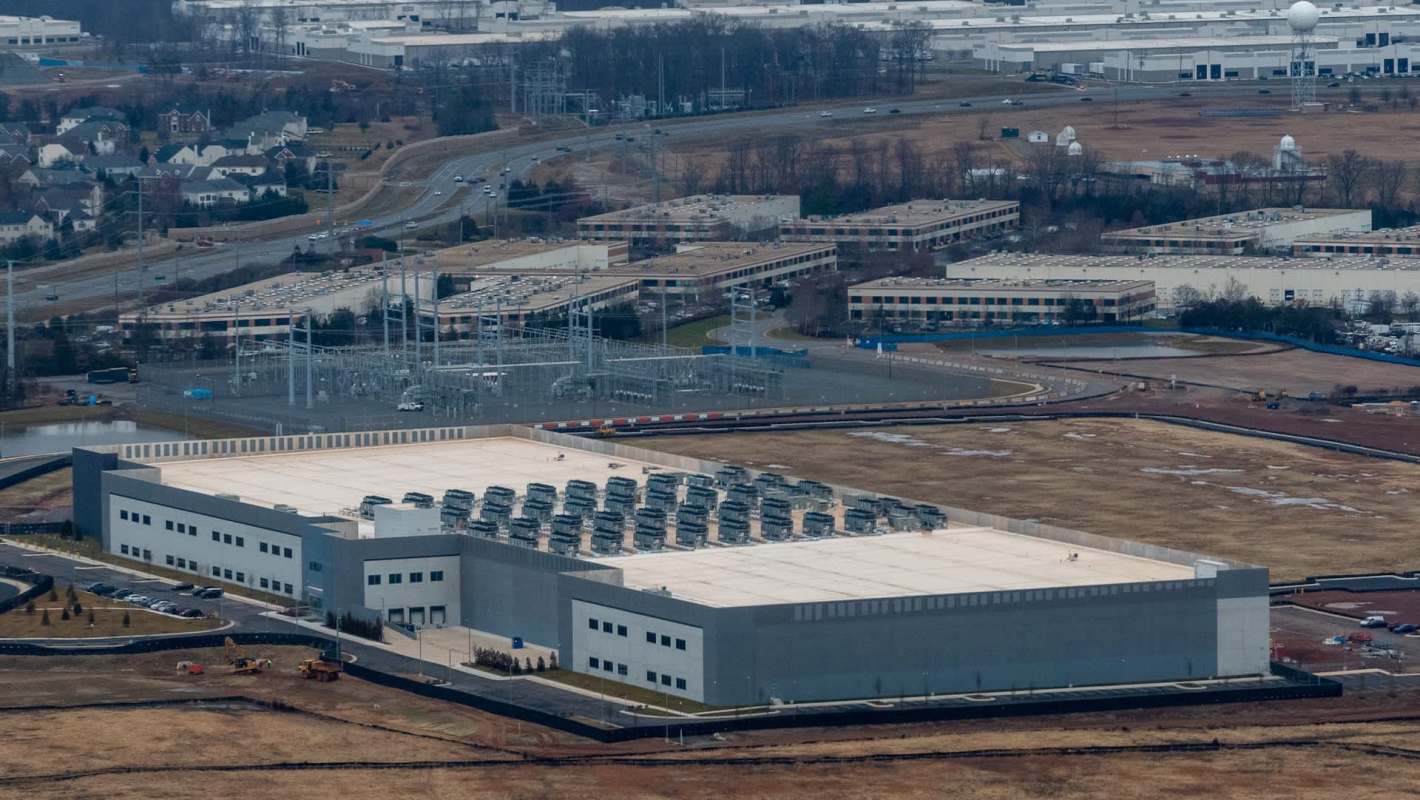
A proposal to attach tougher environmental safeguards to Virginia's data center tax incentive did not survive the budget process. Instead, lawmakers approved a spending plan that keeps the tax break, adds only modest new charges for the industry, and orders another study.
What happened?
Under Virginia's newly approved budget, data centers will continue receiving a tax break that Inside Climate News reported was worth about $1.9 billion in 2025. The budget does create a tax on data center electricity use, which tops out at $600 million a year, but it still does not require those facilities to use clean energy.
At a Virginia League of Conservation Voters rally, 53-year-old Virginian William Ward expressed the frustration many residents and advocacy groups have felt in a state that Inside Climate News described as the world's data center hub: "It affects the common people. We have to pay, they don't have to pay."
The budget also calls for another commission report, due Dec. 15, that will examine data center impacts and possible revisions to the tax exemption.
In addition, the legislation requires more reporting on electricity use, water consumption, and diesel backup generators, and it sets broad rules for water-dependent cooling systems in areas facing water shortages.
Still, many advocates said the final package fell far short of what communities had asked for. Lee Francis, chief program and communications officer at the Virginia League of Conservation Voters, told Inside Climate News, "What just passed didn't make anybody's life better."
TCD Picks » Quince Spotlight
💡These best-sellers from Quince deliver affordable, sustainable luxury for all




Why does it matter?
More of the cost of powering these facilities could end up being borne by Virginia households. Inside Climate News cited a previous state study that found the generation and transmission costs linked to data centers could add $37 to monthly electric bills by 2040.
These massive facilities are essential to the digital services many people use every day, from cloud computing and streaming to increasingly popular AI tools. AI can provide real benefits. It can help utilities better balance power demand, improve energy efficiency, and support cleaner planning for the electric grid.
At the same time, the infrastructure needed to power AI and other digital services can require enormous amounts of electricity and water. It can also drive new gas and coal development and raise broader concerns about security, misuse, and affordability when households are left paying more each month.
Industry representatives and economic development officials, cited by Inside Climate News, said the sector supports thousands of jobs and contributes billions in labor income and GDP to Virginia's economy. Data Center Coalition President Josh Levi warned, "The message to businesses in all industries is clear—Virginia is no longer a reliable partner."
Many Virginians want closer scrutiny of future projects. Recent polling found that 63% of residents backed site assessments reviewing effects on water, the electric grid, pollution, and farmland before projects move ahead.
What's being done?
Virginia's new budget includes the energy consumption tax, added reporting requirements, and another formal review of the industry's footprint. Some separate legislation also advanced, and Inside Climate News noted measures on diesel generator standards and support for zero-carbon energy.
However, none of those measures require data centers to operate on clean power.
Advocates say that leaves communities with fewer protections than they had sought, particularly in areas that are historically economically disadvantaged and may have fewer resources to challenge new projects.
Jay Ford, Virginia policy manager for the Chesapeake Bay Foundation, told Inside Climate News that describing the budget as a victory "feels a little bit like a shell game."
Virginia's latest fight shows that even in the data center capital of the world, communities are still asking a basic question: Who benefits, and who pays? "We have to pay, they don't have to pay," Ward said.
And Eric Kasten, a Chesterfield County resident, said, "I don't think we've made any real steps forward in reaching a true compromise. … [Lawmakers] just need to move faster."

Get TCD's free newsletters for easy tips, smart advice, and a chance to earn $5,000 toward home upgrades. To see more stories like this one, change your Google preferences here.






