


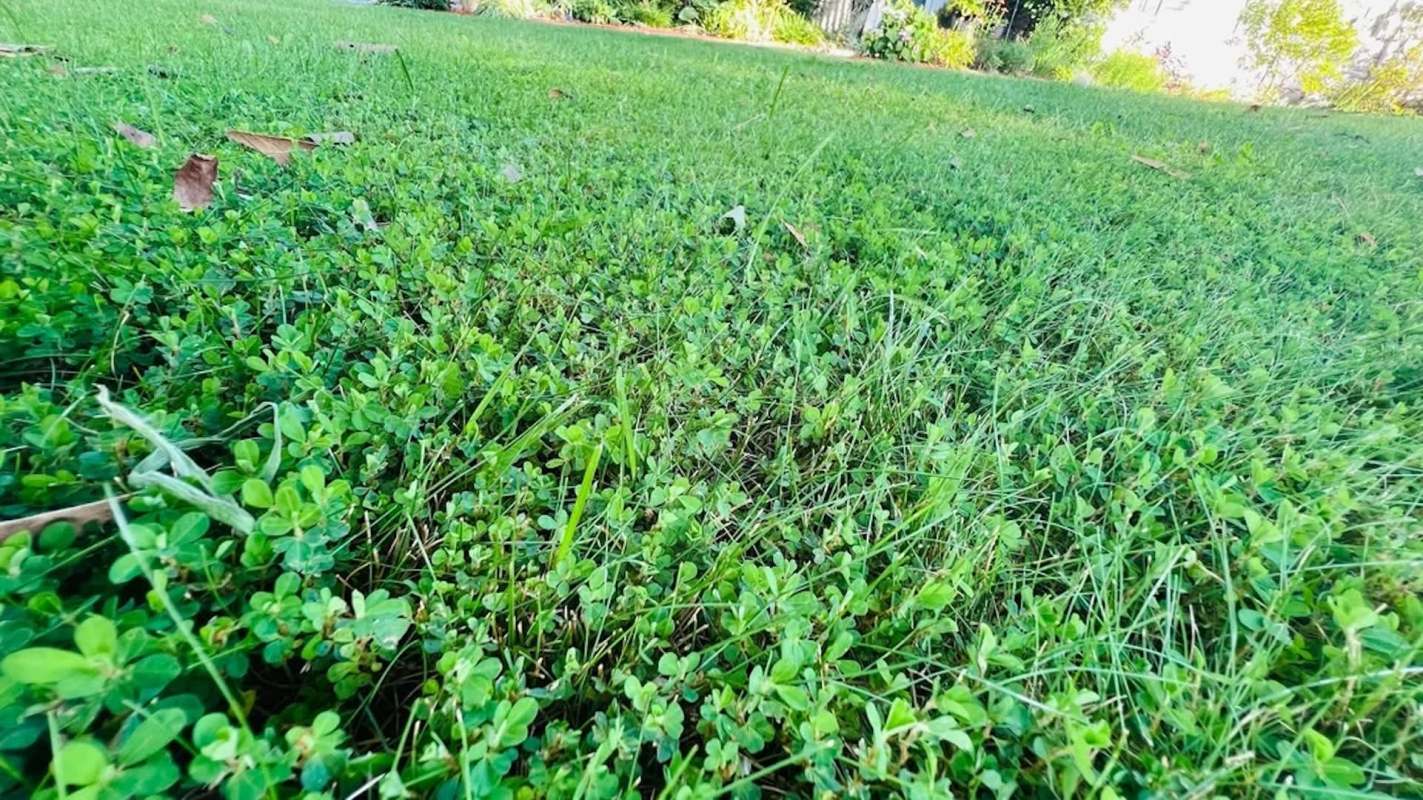
As huge swaths of the country deal with sweltering heat and drought conditions, one gardener is sharing how they were still able to cultivate a beautiful yard despite the weather and water restrictions.
What's happening?
The individual shared their story to Reddit's r/Gardening community, where they said an active drought warning has been in place since mid-June.
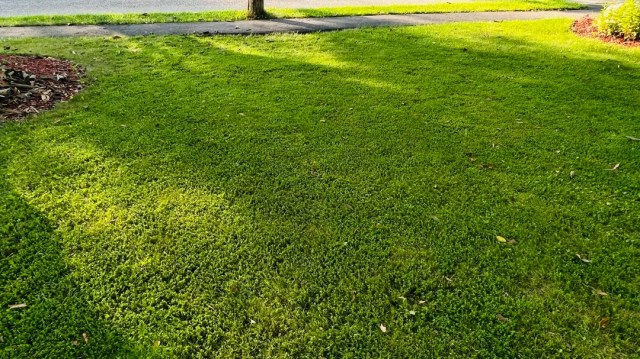
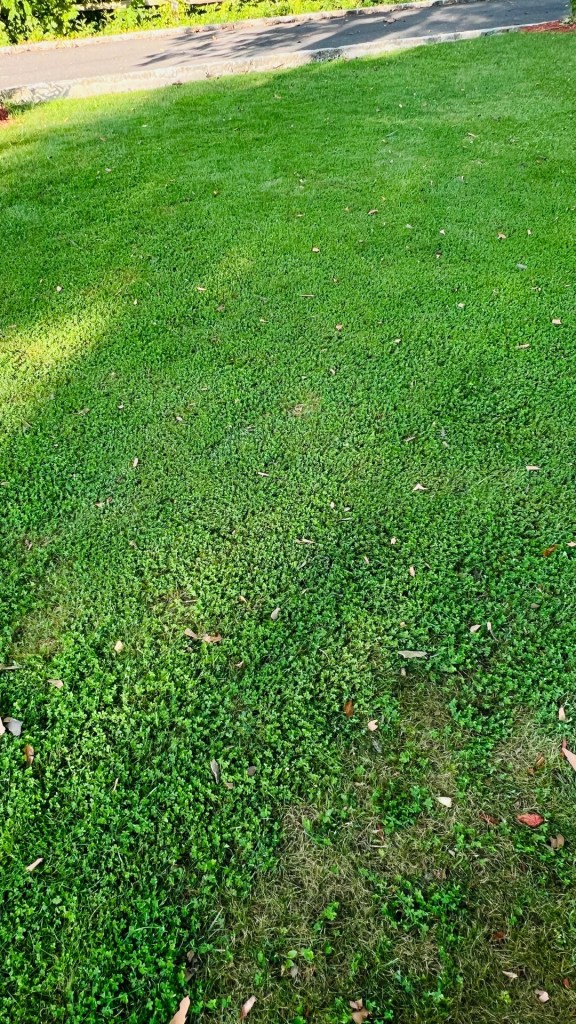
As part of the restriction, watering needed to be limited to two days a week even as rainfall stayed scarce and temperatures reached the high 80s and 90s. But the gardener then showed off their still lush lawn, full of micro-clover cover.
The original poster wrote that with the weather and restrictions, "the grass is struggling. But look at the patch where my volunteer micro clovers got established and spread. They are looking unfazed by everything."
The OP added that, "No fertilizer, no water, no cool temperatures, no mowing, not even seeding with micro clover, and they remain happy. Can't wait for these to take over all of the remaining green space."
Many commenters lauded the gardener for their yard with the drought-resistant clover.
TCD Picks » Quince Spotlight
💡These best-sellers from Quince deliver affordable, sustainable luxury for all




A user wrote, "I call it a success! Grass is ridiculous for most of us in my humble opinion."
The discussion then pointed to another issue: choosing a species that makes sense for your area.
One person cautioned, "That appears to be Japanese clover. Most people use 'micro clover' in reference to a type of white Dutch clover. Not sure where you are, but it's invasive to most of North America."
Why does it matter?
For many homeowners, conventional grass lawns are becoming harder to maintain and harder to justify. They often require regular mowing, fertilizer, and significant amounts of water, all of which can become expensive and time-consuming during hot, dry weather and local watering restrictions.
Native-plant lawns, on the other hand, can reduce maintenance, lower water bills, and cut the need for chemical inputs while also supporting pollinators and other wildlife.
Clover is one option, but it is far from the only one. Buffalo grass, regionally appropriate native ground covers, and xeriscaping designs that rely on drought-tolerant plants, mulch, and less turf overall can also offer practical solutions.
Even replacing just part of a lawn can make a noticeable difference. Swapping out one section of a yard can mean less mowing, less money spent on upkeep, and a better chance of keeping some greenery through dry spells.

Get TCD's free newsletters for easy tips, smart advice, and a chance to earn $5,000 toward home upgrades. To see more stories like this one, change your Google preferences here.






