


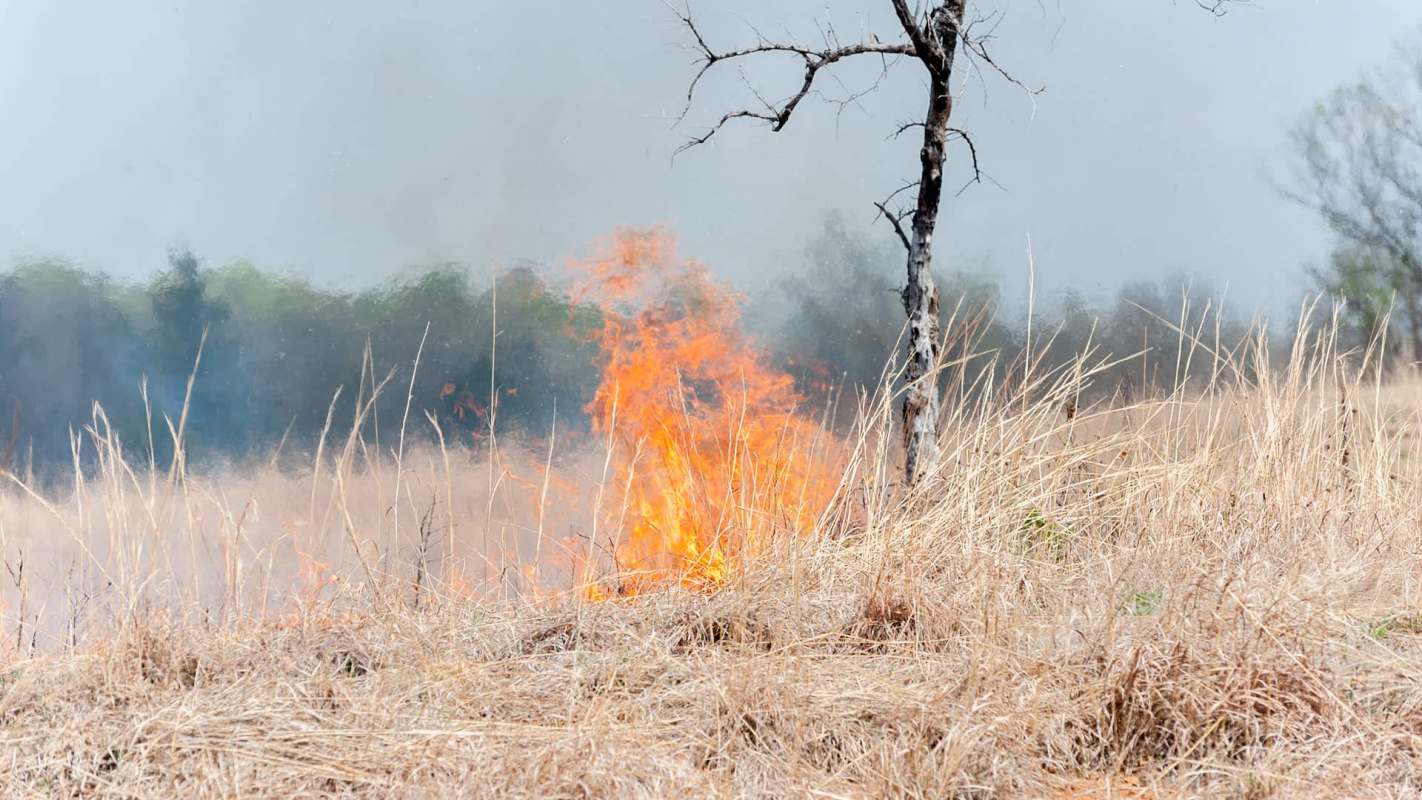
After heavy rain in late June eased early wildfire fears in Montana, prolonged July heat is rapidly drying the grasses and brush that had briefly remained damp.
The state's apparent reprieve may be short-lived as there may be a longer, more unpredictable fire season, according to Inside Climate News.
What's happening?
Western Montana had briefly seemed to sidestep the early fire danger many forecasters expected after an exceptionally warm, dry winter.
But temperatures have started hitting the 90s in the west and above 100 degrees Fahrenheit in some eastern areas, and they're quickly drying vegetation again, Inside Climate News reported.
Meteorologist Alex Lukinbeal of the National Weather Service in Missoula said the warming trend could quickly worsen conditions.
"This heat will begin to stress finer fuels, such as grasses," Lukinbeal explained. "Over the next few weeks, fuels will continue drying out, and fire risk will increase."
TCD Picks » Quince Spotlight
💡These best-sellers from Quince deliver affordable, sustainable luxury for all




Scientists say Montana's fire seasons are becoming harder to predict because they no longer follow a simple seasonal pattern.
Instead, a mix of warm winters, intense summer heat, shrinking snowpack, and more will shape wildfire risk. The season itself is becoming more volatile over time.
Forecasters are now watching the second half of July closely, especially as the Climate Prediction Center estimated above-normal temperatures with a 40% to 70% chance through the rest of the month.
Why does it matter?
Worsening extreme weather events endanger peoples' lives and the environment. They can threaten homes and expose communities to dangerous smoke. Even when flames are far away, they can force people to stay indoors.
Montana's unusually warm winter left the state especially vulnerable. Butte recorded its warmest winter on record, while Missoula saw its second-warmest and Kalispell its fourth-warmest.
In many places, lower- and mid-elevation snow disappeared early, cutting off the slow melt that typically helps keep soils moist into the summer.
Rain can also encourage new growth in grasses and other fine fuels, creating even more material that can burn once the heat returns.
What's being done about it?
Meteorologists and fire officials are closely tracking how fast fuels dry out and whether incoming monsoon moisture will bring helpful rain or dry lightning.
Lukinbeal noted that lightning is responsible for 20% to 30% of Montana's wildfires, particularly in remote areas, making storm timing especially important.
Communities are also being encouraged to prepare before conditions worsen.
Recently, Climate Smart Missoula and the U.S. Forest Service hosted free public forums during Montana Wildfire Smoke Ready Week in Missoula and Kalispell. They provided updated wildfire outlooks and practical guidance for smoke and fire readiness.
Preparation cannot eliminate regional fire risk, but it never hurts to be prepared anyway. Checking local air quality alerts and reviewing evacuation routes are both great first steps. Using air purifiers or high-efficiency HVAC filters during smoke events can also minimize the amount of smoke you and anyone you might live with breathe in.
Experts say Montana will need to adapt to a future marked by hotter peak fire seasons and more widespread smoke impacts, even in places not directly threatened by flames.
"Our peak fire season is not only going to be warmer, but also drier," said Kyle Bocinsky, director of the Montana Climate Office at the University of Montana.

Get TCD's free newsletters for easy tips, smart advice, and a chance to earn $5,000 toward home upgrades. To see more stories like this one, change your Google preferences here.







