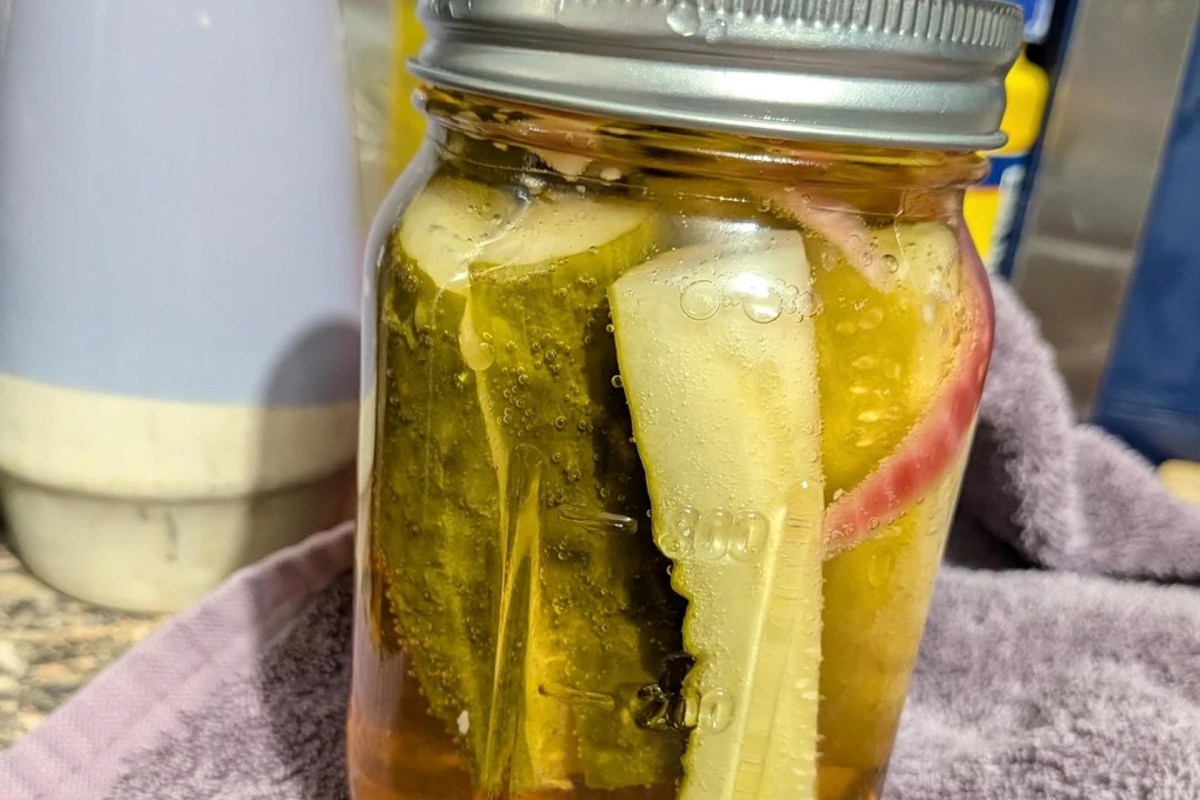
After battling a persistent groundhog, one gardener bragged that their delightfully medieval-looking "cucumber chainmail" experiment had paid off.
What happened?
One gardener who had been trying to outmaneuver a hungry groundhog returned to Reddit's r/Gardening forum with an encouraging update.
"Remember my cucumber chainmail? It worked. I have pickles now," they wrote.
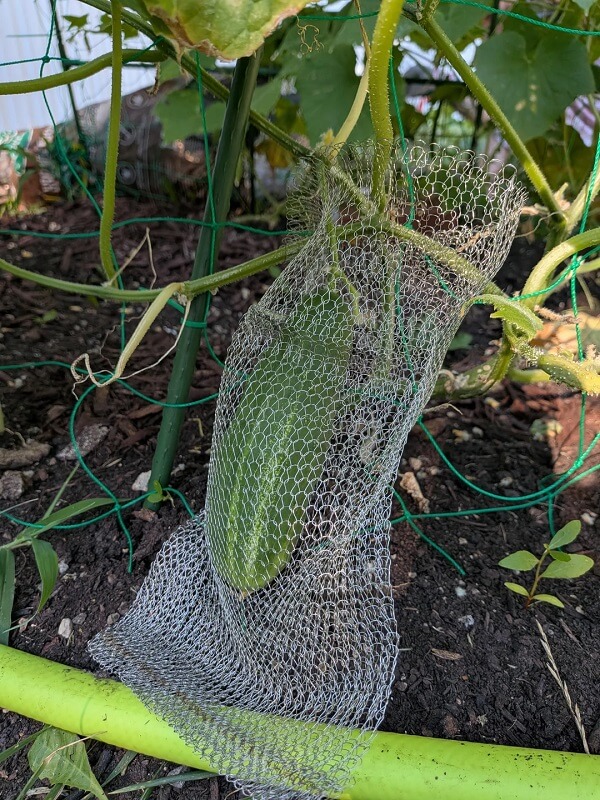
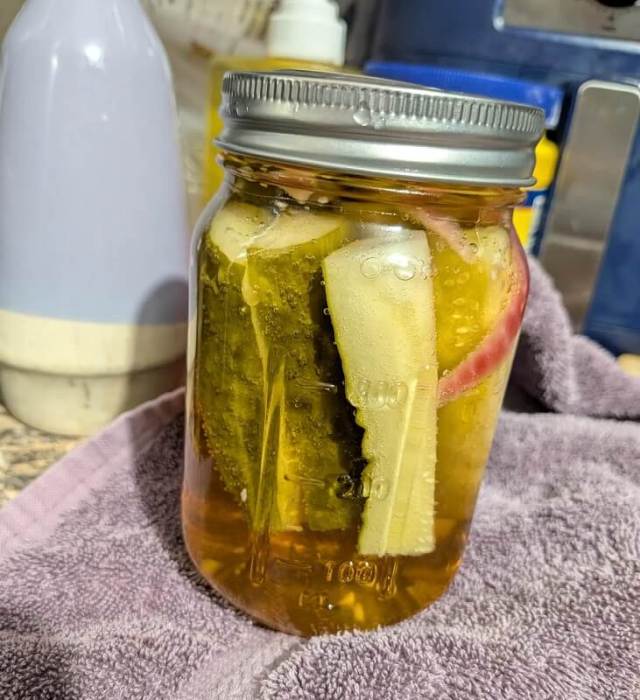
The original poster wrote on Reddit that the cheap homemade barrier helped shield the plants after a groundhog had been eating them. Their verdict on the project was short: "Worth it."
But the setup involved more than just mesh armor. The OP explained: "I also deployed decoy cucumber (a cucumber he already took bites out of) and sprayed peppermint bronners (nightly) near the trellis but left the rest of the clover (and decoy) untouched. It seems to have worked."
Commenters responded to the update with joy and curiosity.
TCD Picks » Quince Spotlight
💡These best-sellers from Quince deliver affordable, sustainable luxury for all




"Where do you get your chainmail? My cucumbers are interested in knighthood lol," one Reddit user commented.
Another commenter added: "All innovation springs from a worthy adversary."
The OP responded to the joke, writing: "I about gave up. He took bites from every single cuke right at the stage of readiness for pickling, not even slicing. Like. My dude. It would be sweeter in two days. But ok. I guess."
Why does it matter?
Growing your own food often comes with pest pressure, especially when outdoor spaces are designed to support wildlife. In this case, the gardener acknowledged creating an inviting habitat, noting that clover filled the yard and likely gave the groundhog plenty to eat.
Many home growers look for practical solutions that do not rely on toxic chemicals or lethal traps. Nontoxic pest deterrents can help protect a harvest while still making room for animals that belong in the local ecosystem.
Successful home gardening can also bring meaningful benefits, including saving money on produce, enjoying fresher and often better-tasting food, and gaining the mental and physical health perks associated with spending time outdoors planting, watering, and harvesting.

Get TCD's free newsletters for easy tips, smart advice, and a chance to earn $5,000 toward home upgrades. To see more stories like this one, change your Google preferences here.