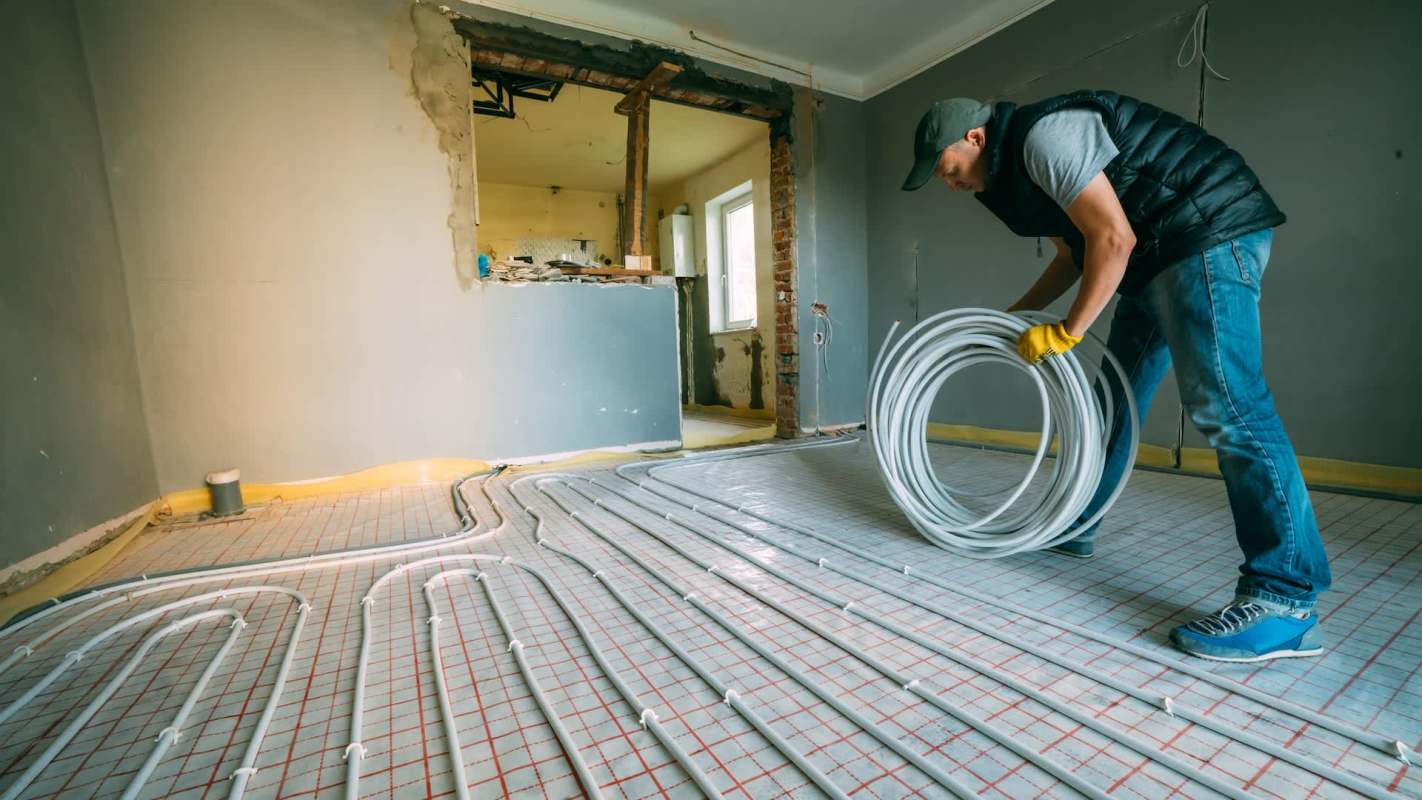
As another spell of summer heat drives up air-conditioning costs in Minnesota, some homeowners in and around New Ulm are turning to geothermal heating and cooling systems for relief.
Although installing geothermal equipment can be costly, some households are weighing that expense against the potential for reduced utility bills over time.
What's happening?
In this region, underground temperatures stay relatively steady at about 50 to 53 degrees Fahrenheit, which lets these systems release heat from homes in summer and pull warmth indoors in winter.
Installation costs remain the biggest obstacle. Local news outlet The Journal reported that closed-loop systems usually cost about $15,000 to $38,000, while open-loop systems are generally priced at $10,000 to $28,000.
The tradeoff is lower day-to-day energy use. Homeowners may reduce monthly utility bills by 30% to 70%, producing significant savings during both hot summers and subzero winters.
Near St. George, homeowner Peter Wendinger said he was driven to switch after depending on a fuel oil furnace that could run $35 a day or more in bitter cold.
TCD Picks » Quince Spotlight
💡These best-sellers from Quince deliver affordable, sustainable luxury for all




"What prompted me was the fuel oil furnace," Wendinger told The Journal. "My neighbor Tom Brown put geothermal in and said in the summertime on a hot week he was spending only a dollar a day for electricity. That's cheap."
Why does it matter?
When temperatures swing to extremes, heating and cooling costs can put serious pressure on household budgets. A system that significantly lowers those recurring expenses can make a meaningful difference over time, even if the installation cost is higher at the outset.
Homeowners say the benefits can show up in different ways. Wendinger uses a closed-loop system at his rural property, while New Ulm homeowner Daniel Beranek told the local outlet that the biggest payoff for him has come during the summer.
"It does a good job in winter," Beranek said, "but in the summer I think it's really made my utility bill quite a bit lower. I've especially been happy on the cooling side of things."
Systems that reduce reliance on fuel oil and other conventional heating methods can help cut pollution while also providing quieter, more consistent indoor comfort.
What's being done?
After 2025, the applicable federal residential tax credit has no longer been available to offset purchasing and installation costs, but The Journal reported that homeowners may still have other ways to trim those prices.
Local experts pointed to state-administered rebates and utility incentives that may still apply in some cases, recommending working with certified installers to find out which programs fit a particular property.
According to The Journal, Brown County Rural Electric Association offers rural customers rebates for geothermal and air-source heat pumps, and New Ulm Public Utilities can provide a geothermal rebate upon request even though it does not have a standard published one.
Cold-climate air-source heat pumps are also becoming more common for homeowners whose land or site conditions are not suitable for geothermal.
"It's a lifetime investment," Wendinger said. "It's going to give you back every year."

Get TCD's free newsletters for easy tips, smart advice, and a chance to earn $5,000 toward home upgrades. To see more stories like this one, change your Google preferences here.