


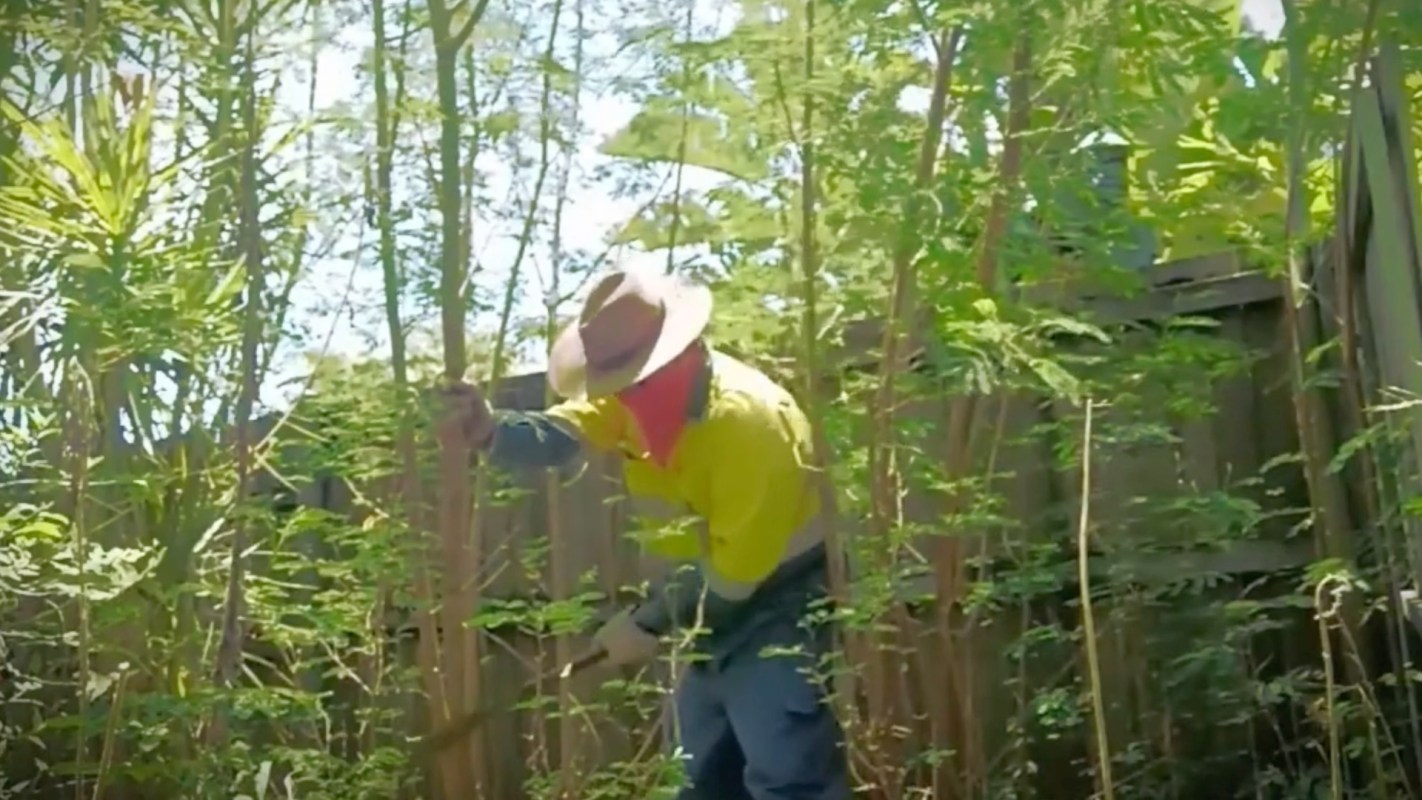
Brazil adopted leucaena as part of a farm-focused strategy, valuing it for its ability to help restore exhausted land and support cattle production. Decades later, that decision has become a warning about how quickly a useful introduction can turn into a national problem after a species escapes cultivation.
Instead of remaining a tool for agriculture, leucaena is now overtaking native vegetation and harming urban infrastructure.
What happened?
At first, leucaena appeared to meet practical needs in Brazil: it could help worn-out soils and serve the livestock sector. But as a documentary from Planet Reborn explains, the same qualities that made it attractive also made it hard to contain.
The video emphasized the plant's strong survival and reproductive abilities. Because it spreads aggressively, withstands harsh conditions, and does not stay limited to the places where it was first planted, leucaena was able to establish itself well beyond agricultural land.
The documentary also highlighted the plant's biological toxins. Instead of merely existing alongside other plants, leucaena can push them out.
Over several decades, a plan meant to deliver agricultural and economic benefits has developed into an ecological disaster in Brazil with legal consequences as well.
TCD Picks » Quince Spotlight
💡These best-sellers from Quince deliver affordable, sustainable luxury for all




Why does it matter?
When invasive plants take hold, the damage does not stop at the edge of a forest. Native species can lose ground, wildlife habitat can shrink, and restoration efforts can become slower and more expensive. Communities, in turn, are left dealing with degraded landscapes, weakened biodiversity, and rising management costs.
The documentary also shows that the impact is not limited to ecosystems: leucaena can damage urban infrastructure.
What was once promoted as a development tool now creates new burdens for the communities dealing with it. Rather than helping restore land and improve agricultural productivity, it is slowing ecosystem recovery and forcing people to spend time and money trying to contain a problem that continues to spread.
Brazil's leucaena issue fits into a broader pattern: short-term benefits can lead to environmental and financial consequences that last for decades.
What's being done?
According to the documentary, leucaena is difficult to control once it becomes established. Cutting it back only once is usually not enough, because regrowth, seed spread, and the plant's ability to survive in difficult conditions can turn removal into a continuing challenge.
The video also points to legal barriers and strict regulations, underscoring how complicated invasive-species control can become after a plant is already widespread.
Replacing invasive plants with native species can help communities rebuild habitat, protect infrastructure, and avoid repeating the same mistake in other places.
Brazil's experience shows how quickly "The Dream Of An Economic Solution" can unravel when "the plant has spread beyond control, displacing native vegetation and damaging urban infrastructure" — an "agricultural dream turned into an ecological and legal crisis."

Get TCD's free newsletters for easy tips, smart advice, and a chance to earn $5,000 toward home upgrades. To see more stories like this one, change your Google preferences here.






