


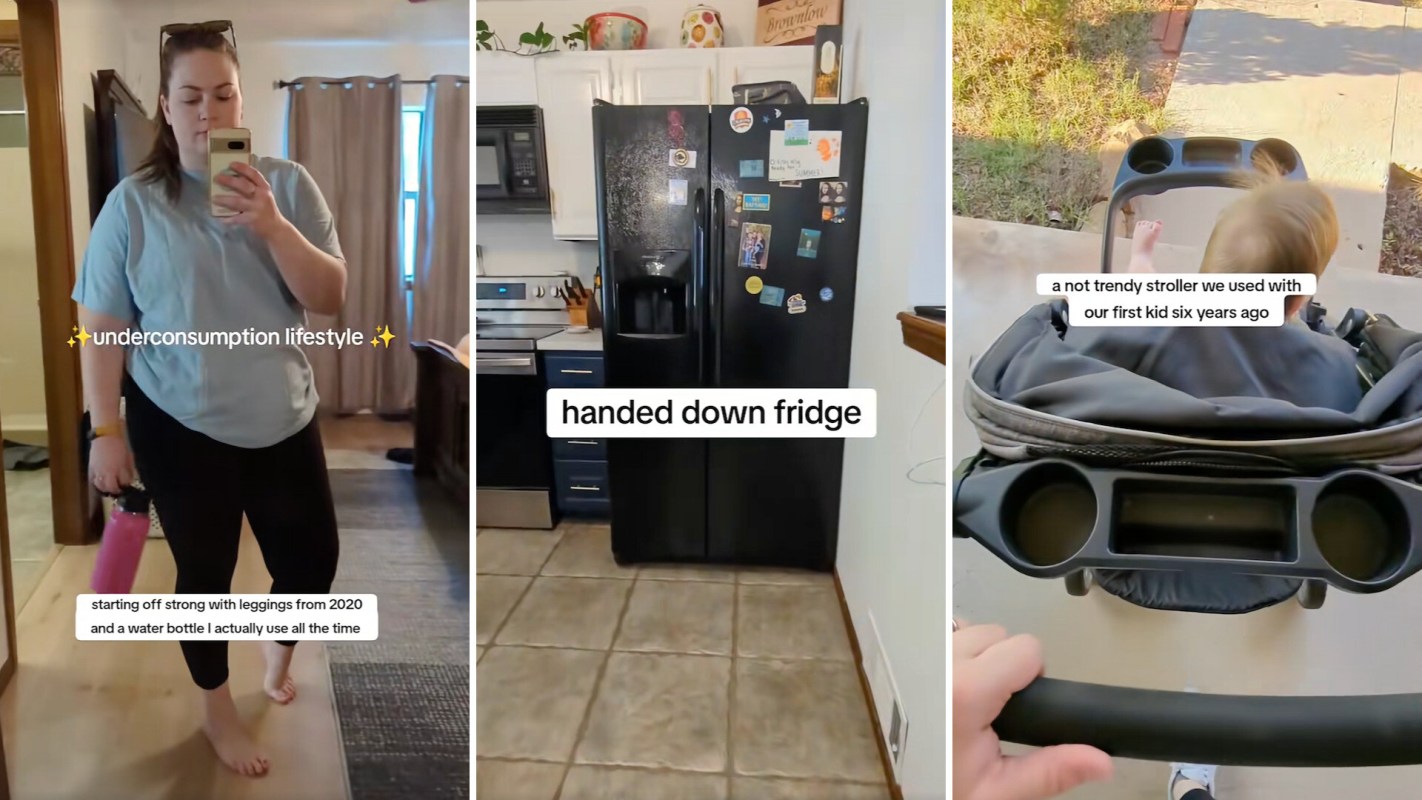
A frugal-minimalist content creator on TikTok is challenging one of social media's buzziest lifestyle labels, arguing that "underconsumption" is less a radical trend than a return to common-sense habits.
At a moment when "underconsumption core" videos are spreading online, that framing may resonate with anyone tired of being told they need to buy more to live better.
What's happening?
In a recent TikTok video, frugal-minimalist creator Amanda the Frugal Minimalist (@hellobrownlow) walks through the ways she limits waste and excess in day-to-day life, describing those choices as normal routines rather than deprivation.
@hellobrownlow underconsumption lifestyle. aka normal living #frugalminimalism #savingmoney #frugalliving #underconsumptioncore #underconsumption ♬ original sound - ImGoobsie
Instead of treating the concept as a niche challenge, the TikTok frames using what you already have, purchasing less, and avoiding unnecessary waste as a practical default — one that helps people sidestep the steady pressure to consume.
They shared their small, mostly second-hand wardrobe, the furniture they bought second-hand or that was passed down, and the stroller they used for their first kid six years prior.
That perspective comes as "underconsumption" has become a trending online label, often used to describe everything from finishing beauty products before replacing them to rewearing clothes and skipping impulse purchases. But the creator's point is that many of these behaviors are simply habits people have practiced for years, especially when they are trying to stretch a budget.
TCD Picks » Quince Spotlight
💡These best-sellers from Quince deliver affordable, sustainable luxury for all




Why does it matter?
Buying less often means spending less.
Reusing items, resisting trend-driven purchases, and making what you already own last longer can free up money for essentials, savings, or paying down debt.
There is also a mental shift built into the creator's message. Treating restraint as "normal living" rather than a sacrifice can make frugal habits feel more sustainable and less like punishment.
The environmental upside is significant as well. When people use products longer and avoid unnecessary replacements, they can help reduce waste and cut demand for resource-intensive manufacturing and shipping.
Individual choices alone will not solve larger systemic issues, but they can lower household costs while reducing some of the everyday excess that fuels overflowing closets, trash bins, and credit card bills.
What can I do?
The first step is simple: take inventory before buying anything new. Whether it's clothing, kitchen tools, home decor, or personal care products, many households already own workable substitutes that can delay or eliminate another purchase.
Even a 24-hour pause can stop spending that doesn't actually improve your life.
Building a "use it up first" routine can be especially effective. That could mean wearing what is already in your closet, cooking from pantry staples, or using the last of a product before replacing it.
Small habits like these will not fix the broader pressures of consumer culture, but they can help people keep more cash in their pockets while wasting less.
The creator summed it up as: "underconsumption lifestyle… normal living."

Get TCD's free newsletters for easy tips, smart advice, and a chance to earn $5,000 toward home upgrades. To see more stories like this one, change your Google preferences here.






