


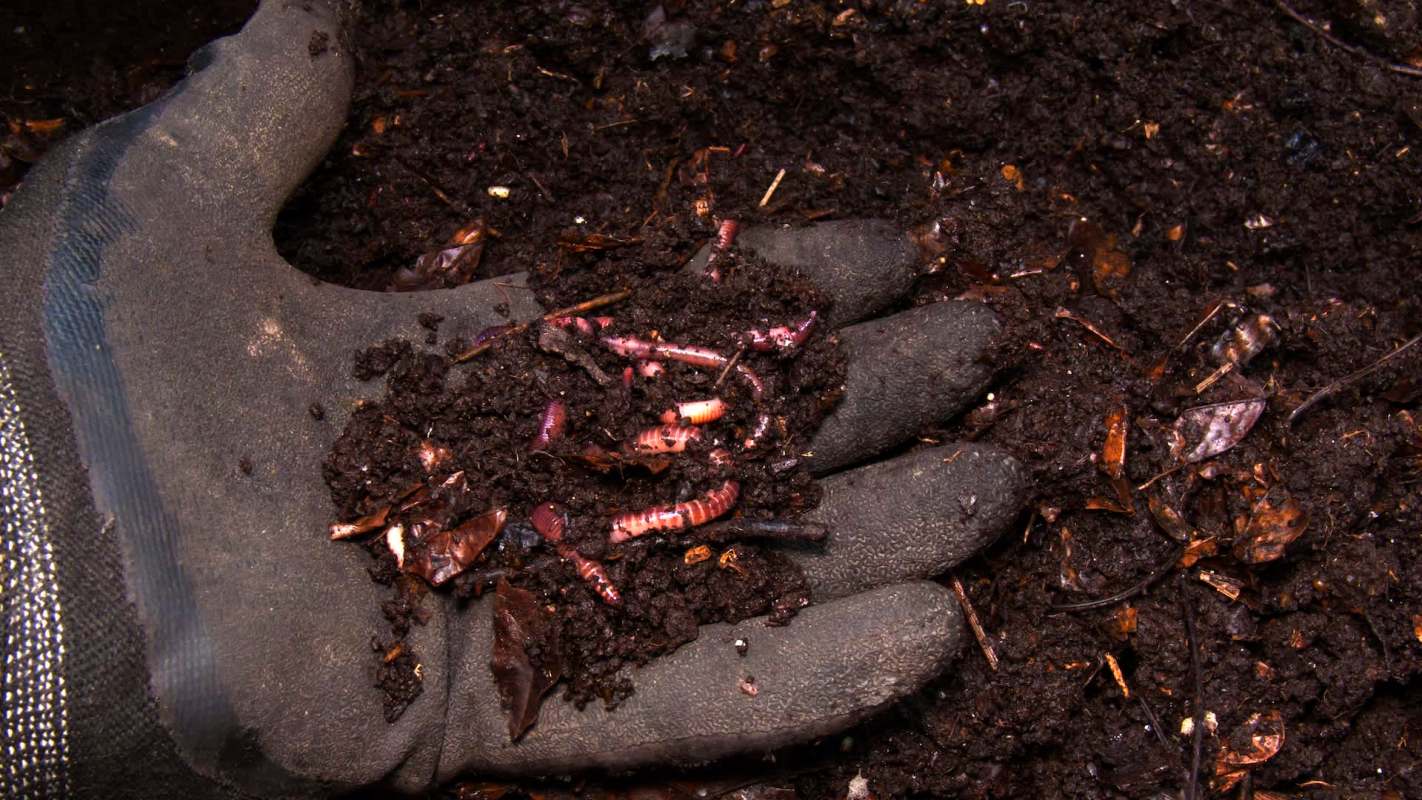
Ramsey County has halted mulch and compost distribution from its yard waste sites after invasive jumping worms were found at one location and suspected at another, issuing a fresh warning to Minnesota gardeners who may have recently brought material home.
The pause is meant to prevent the worms from spreading farther through neighborhood gardens and yards, where they can quickly damage the soil people rely on to grow plants, flowers, and food.
What happened?
After jumping worms were confirmed at Ramsey County's Arden Hills yard waste site and suspected at the White Bear Township location, the county urged residents who recently picked up mulch or compost from a county site to inspect it, as the Star Tribune reported.
According to county officials, the problem was first detected June 28 at the Arden Hills site, and mulch distribution there was stopped right away. The Minnesota Department of Natural Resources later verified the finding.
Countywide, mulch and compost distribution remains on hold while officials determine the scope of the issue. The county also burned wood mulch from the Arden Hills site in an effort to kill the worms.
One way to identify jumping worms is by how they react when disturbed: unlike more familiar garden worms, they can appear to jump.
TCD Picks » Quince Spotlight
💡These best-sellers from Quince deliver affordable, sustainable luxury for all




Why does it matter?
As they feed on mulch, jumping worms strip vital nutrients from topsoil and leave it with a texture often compared to coffee grounds. Soil in that condition is much less able to support healthy growth in gardens and landscapes.
Home gardeners may lose plants, and the damage can also extend to yards, parks, and other shared green spaces. The worms can also increase erosion, adding another layer of environmental harm.
What's being done?
Ramsey County's main response is containment. By pausing mulch and compost distribution countywide, officials are trying to keep more potentially infested material from reaching homes and gardens while they assess the extent of the problem.
As part of that effort, the county incinerated wood mulch from the Arden Hills site to kill any worms that may have been in it. Residents who recently collected mulch or compost are also being urged to inspect what they took home.
People can look for worms that seem to jump when disturbed, along with soil that has a coffee-ground appearance.

Get TCD's free newsletters for easy tips, smart advice, and a chance to earn $5,000 toward home upgrades. To see more stories like this one, change your Google preferences here.






