


A fight over a proposed data center near Boulder City, Nevada, is widening into a broader debate over who gets to shape a community's future and who bears the burden when concerns about water, power, and quality of life are brushed aside.
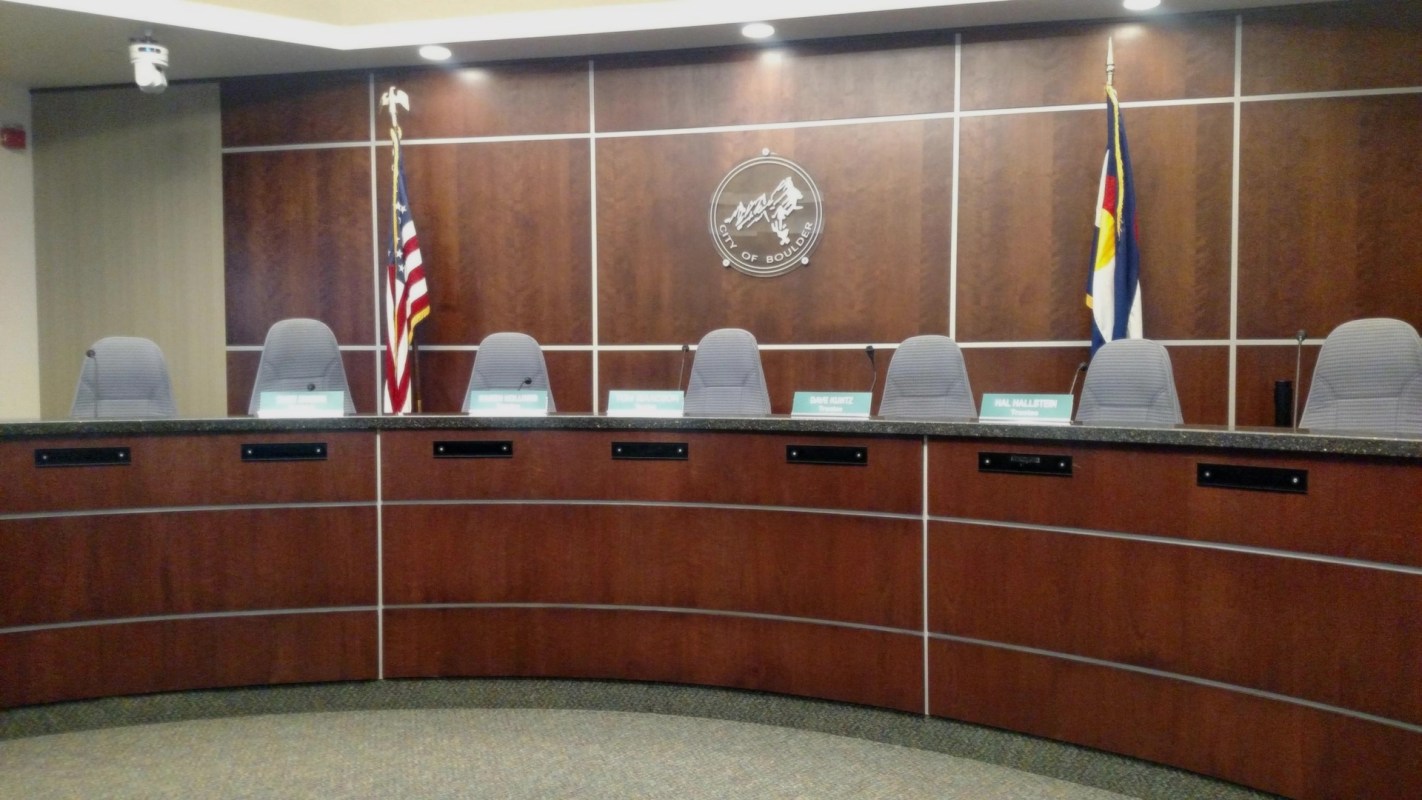
Public opposition was on display at a recent City Council meeting, where residents urged officials to stop the project from proceeding on nearby federal land after it was relocated to BLM property.
What happened?
After a unanimous City Council vote, Boulder City is challenging federal approval for a proposed data center on land managed by the Bureau of Land Management within city boundaries, according to KSNV.
Townsite Solar 2 LLC is backing the project. The company first sought to develop it through a lease agreement with the city, then withdrew that application after local opposition and moved the proposal onto BLM land.
The city's challenge is focused on how that approval was granted.
At the council meeting, a resident identified as Caitlin said the gathering was her first time attending a town hall and that she wanted her opposition "on the record."
TCD Picks » Quince Spotlight
💡These best-sellers from Quince deliver affordable, sustainable luxury for all




"Even if the project is now on adjacent BLM land, the impact does not stop at a property line," she added.
Another resident voiced concern about the nature of the project itself, saying: "What they're calling this is a data center. In reality, it's a surveillance center. It's gonna change our lives; it's gonna delve into our finances, what we own, where we travel."
Why does it matter?
Boulder City residents have raised concerns about strained water supplies, electrical infrastructure, noise, heat, and whether local voices will be respected when large industrial developments move in.
Those worries carry particular weight in southern Nevada, where water scarcity is already a defining challenge. Data centers can be resource-intensive, and even as newer cooling technologies promise greater efficiency, residents are questioning whether those assurances are enough in a region already grappling with drought and grid pressures.
Boulder City's fight echoes a pattern showing up across the country. Data center backlash has stalled roughly $130 billion in U.S. projects as residents in other communities push back on secrecy and strain on local utilities.
That tension can become even sharper when projects are moved onto federal land, where locals may feel their ability to influence the outcome is diminished.
What's being done?
Next, the appeal will be considered by the Interior Board of Appeals.
Lisa LaPlante, a spokesperson for Boulder City, said the timeline remains uncertain.
"It'll go to the Interior Board of Appeals, which takes a look at all BLM appeals. It's unclear how long it'll take before we get a response, but we're hoping for something quickly," LaPlante said.
LaPlante said the city is still waiting to see how the legal process unfolds, but Boulder City wants construction paused while the appeal is under review.
Townsite Solar 2 said it wants "to develop a responsible, sustainable project that Boulder City can be proud of and that can serve as a national model."
The company said its proposal includes support for a city recycling program tied to returning water to Lake Mead, company-owned renewable power, an energy fund meant to reduce electricity bills, and mitigation steps on noise, lighting, heat, and emissions, as detailed by KSNV.
"I am here because I want my opposition to the data center on the record," Caitlin told city leaders. "… My biggest concern are our water supply and our electrical infrastructure."

Get TCD's free newsletters for easy tips, smart advice, and a chance to earn $5,000 toward home upgrades. To see more stories like this one, change your Google preferences here.






