


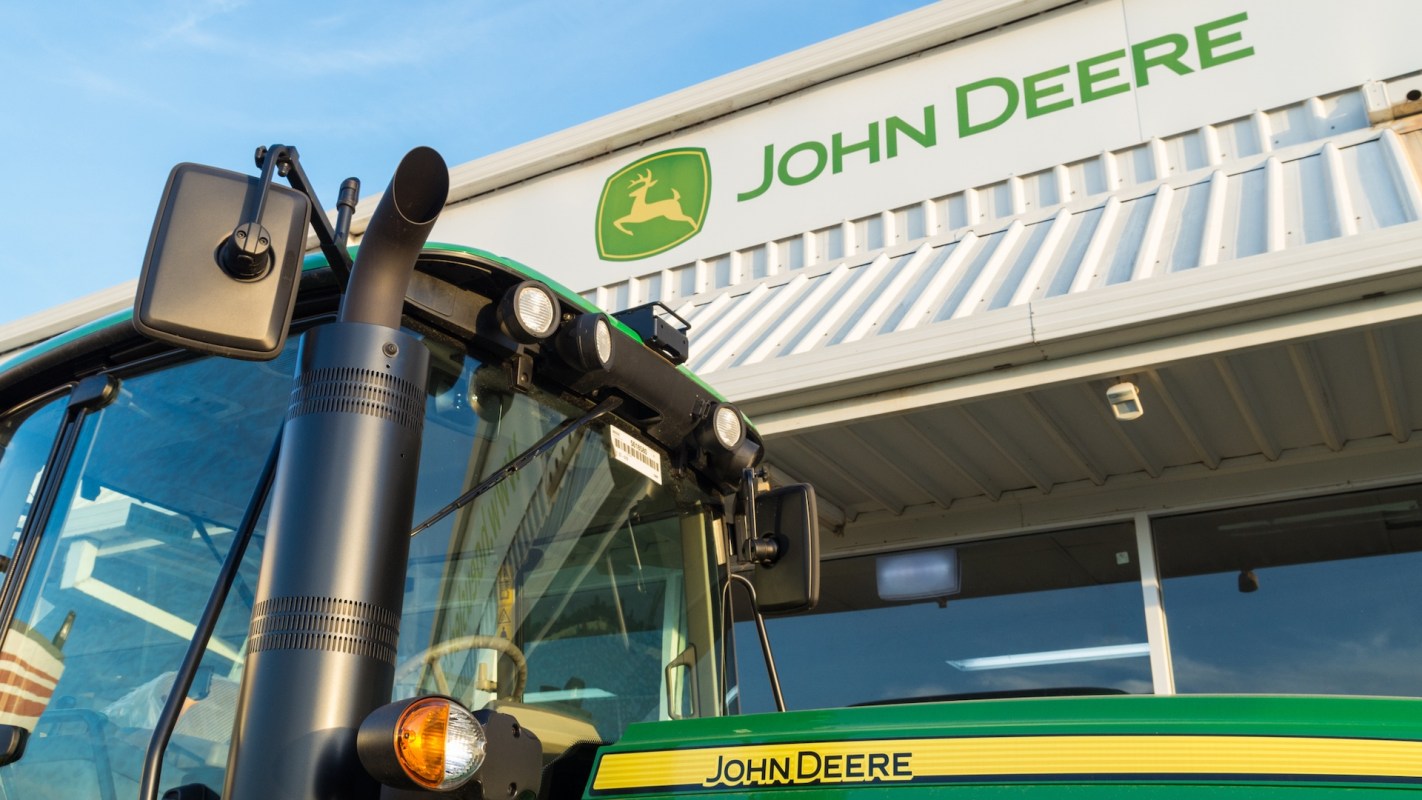
After a settlement between federal regulators and Deere & Co., Montana farmers and local repair businesses may soon have broader access to the tools and software needed to fix agricultural equipment.
That change could reduce expensive downtime when tractors and other machines fail during crucial parts of the season, as KRTV reported.
What's happening?
The Federal Trade Commission said Deere must make repair tools and software available to farmers and independent repair providers at a level comparable to what authorized John Deere dealers use, the station noted.
The agreement settles the antitrust lawsuit the FTC and attorneys general in Arizona, Illinois, Michigan, Minnesota, and Wisconsin filed in January 2025.
Regulators accused Deere of limiting access to the tools required for electronic repairs on farm equipment, per KRTV. Under the agreement, farmers and independent repair shops would be able to perform functions such as diagnosing issues, clearing fault codes, connecting replacement parts to a machine's computer, and reprogramming certain electronic components.
The Montana Farmers Union revealed the deal comes after repeated but unsuccessful efforts to pass agricultural right-to-repair bills in Montana during the 2021, 2023, and 2025 legislative sessions.
TCD Picks » Quince Spotlight
💡These best-sellers from Quince deliver affordable, sustainable luxury for all




Why does it matter?
Modern farm equipment is packed with software and electronic systems, which means even fairly routine repairs can require digital tools that many owners and local mechanics have not been allowed to use. When those repairs are delayed, the financial consequences can add up quickly.
Walter Schweitzer, president of the Montana Farmers Union and a farmer from Geyser, summed up the problem as one that could snowball.
"Equipment only breaks down when you use it," he said in 2025, per KRTV. "And everyone's using their equipment at the same time."
The pressure is greatest during planting and harvest, when one broken machine can disrupt an entire operation and threaten a farmer's income. Rachel Prevost, executive director of the Montana Farmers Union, told the station the settlement is "such a huge step in the right direction."
The financial stakes could be large as well. The group referenced a 2023 U.S. PIRG study estimating that American farmers could save up to $1.2 billion a year if equipment manufacturers stopped restricting repairs.
What's being done?
For the next 10 years, Deere must provide those repair resources on fair and reasonable terms under the settlement, and the company will also be subject to reporting and oversight requirements from the FTC and the five states involved in the case.
In a statement, Deere said the agreement supports its work to expand transparency, customer access, and flexible repair options. If it functions as intended, the settlement could give farmers more choices about where to get repairs instead of leaving them to wait on authorized dealers.
That could mean less downtime, more competition in the repair market, and potentially lower costs for rural communities that depend on keeping farm equipment in the field. It also adds momentum to the right-to-repair movement, which has pushed for consumers to have more control over everything from electronics to appliances and vehicles.
Greater access to diagnostic software and repair tools could make it easier to keep costly equipment running when every hour matters.
"This is establishing a farmer's right to repair, and that's monumental," Prevost concluded to KRTV.

Get TCD's free newsletters for easy tips, smart advice, and a chance to earn $5,000 toward home upgrades. To see more stories like this one, change your Google preferences here.






