


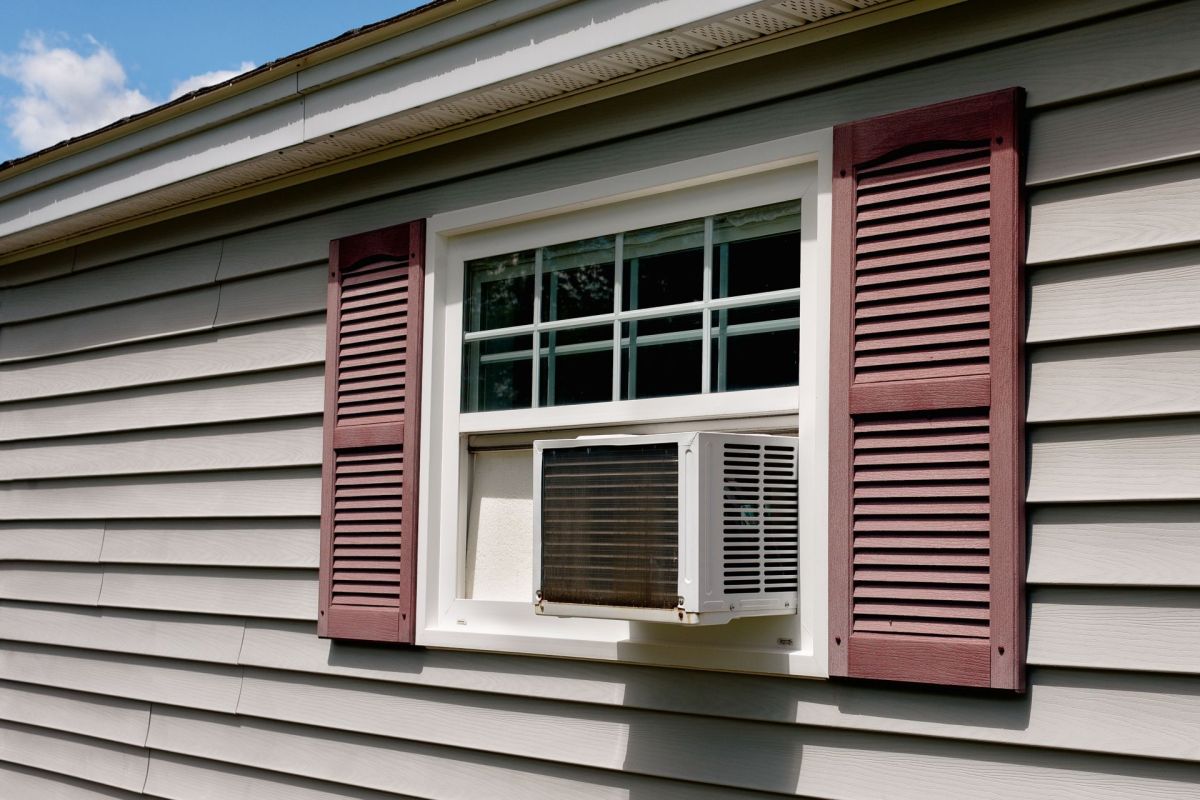
Air conditioner purchases are surging as a record-hot summer leaves large parts of the U.S. sweltering. And fraudsters are taking advantage of that rush, using AI to make bogus online stores look far more believable.
What's happening?
According to the National Weather Service's Climate Prediction Center, much of the U.S. is likely to face extreme heat through the rest of July, a forecast that is pushing more households to look for ways to cool their homes.
That spike in demand has created an opening for scammers, Forbes reported. Some try to hook buyers with social media ads promising deep discounts on well-known air conditioners, while others direct shoppers to sleek sites that seem to represent familiar retailers.
AI helps those operations come together quickly. It can produce convincing product descriptions, professional-looking sales pages, and fake retail websites that seem legitimate on first inspection, and some of those pages also surface high in search results for shoppers scrambling to buy relief from the heat.
Sometimes the trap does not end with a single payment attempt. A shopper might be told their first card was declined and is prompted to submit another, turning an air conditioner purchase into access for criminals to two separate payment accounts.
Why does it matter?
When temperatures turn dangerous, buying an air conditioner is not a casual purchase. For households trying to protect themselves — particularly older adults — the need can feel immediate, which can make red flags easier to miss.
TCD Picks » Quince Spotlight
💡These best-sellers from Quince deliver affordable, sustainable luxury for all




The damage can extend beyond the missing appliance. Someone may pay for an item that never shows up, deal with fraudulent charges afterward, and have to replace exposed cards, while scammers use platforms like Facebook, Instagram, and TikTok to reach people in the areas being hit hardest by the heat.
What can I do?
Before entering payment information, check the site address carefully. The page should use "https" rather than only "http," and the retailer's domain should be spelled exactly right, since even a minor typo can signal a fake site.
Additional tools can also help vet a seller. Google's Safe Browsing Transparency Report lets people see whether a URL has been identified as unsafe, and a WHOIS search can show who registered a site and how long it has existed. A recently created site advertising sharply discounted cooling equipment warrants closer scrutiny.
Social media promotions deserve extra caution as well. If an air conditioner's advertised price or performance sounds too good to be true, it probably is.

Get TCD's free newsletters for easy tips, smart advice, and a chance to earn $5,000 toward home upgrades. To see more stories like this one, change your Google preferences here.






