


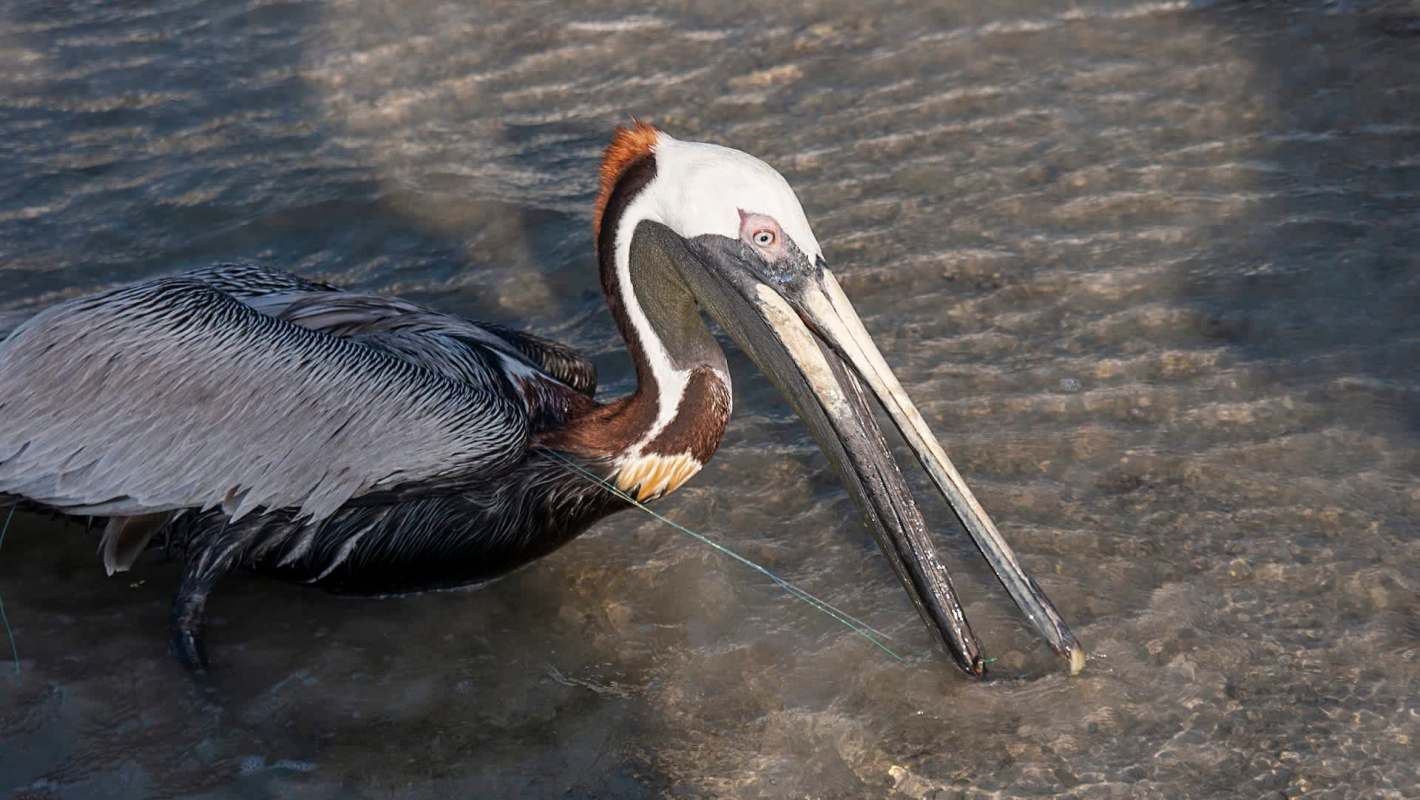
A pelican that became entangled in fishing line at Greendale's Oxbow floodplain is back in the wild after a community rescue involving a birder, kayakers, a jon boat operator, and conservationists.
What could have ended in a serious injury instead became a rare feel-good wildlife story — and a reminder of how much damage abandoned fishing gear can cause.
What happened?
As reported by FOX19 NOW, someone birding at the Oxbow floodplain noticed a pelican stranded because fishing line had snagged its wing. A rescue effort then formed, with five kayakers, a jon boat operator, and conservationists helping free the bird.
Linda Bill, a volunteer at Red Wolf Sanctuary and Raptor Rehabilitation Center, said the response came together quickly.
"The people just showed up. It was awesome," Bill told FOX19 NOW.
Rescuers were not successful on their first try, but they mounted another attempt less than two hours later. By that point, the pelican had grown tired, which allowed the team to box it in and lift it into the boat.
TCD Picks » Quince Spotlight
💡These best-sellers from Quince deliver affordable, sustainable luxury for all




Bill said, "We had five kayakers and a jon boat to make a second attempt in less than 2 hours. He was pretty worn out, so it didn't take too long to get him surrounded and in the boat."
Why does it matter?
Once the fishing line was removed, the pelican appeared to have escaped any injury to its wing and was able to glide over the water.
Fishing line can pin wings, cut into skin, and keep animals from flying, feeding, or escaping danger. For a large waterbird like a pelican, losing the use of a wing can quickly become life-threatening.
Rescuers said the entangling material was leftover "dangle line" that had been tied to trees.
What's being done?
The rescue began when a birder noticed the pelican's distress, and volunteers with kayaks and a boat quickly assembled to help.
Anglers and other visitors can help by packing out used fishing line, avoiding leaving any line tied to branches or shoreline vegetation, and using fishing-line recycling bins where they are available.
People who spot an entangled bird can also make a difference by contacting local wildlife rehabilitators, conservation groups, or animal rescue officials rather than trying to handle a stressed wild bird alone. Large birds can injure themselves further during an unplanned rescue, so trained help is often the safest option.
The pelican was returned to the wild immediately, without needing to go through rehabilitation.
"Once in the boat, it was like he knew we were there to help him," Bill said. "It's always a happy ending when we don't even need to rehab a bird and we can release it."

Get TCD's free newsletters for easy tips, smart advice, and a chance to earn $5,000 toward home upgrades. To see more stories like this one, change your Google preferences here.







