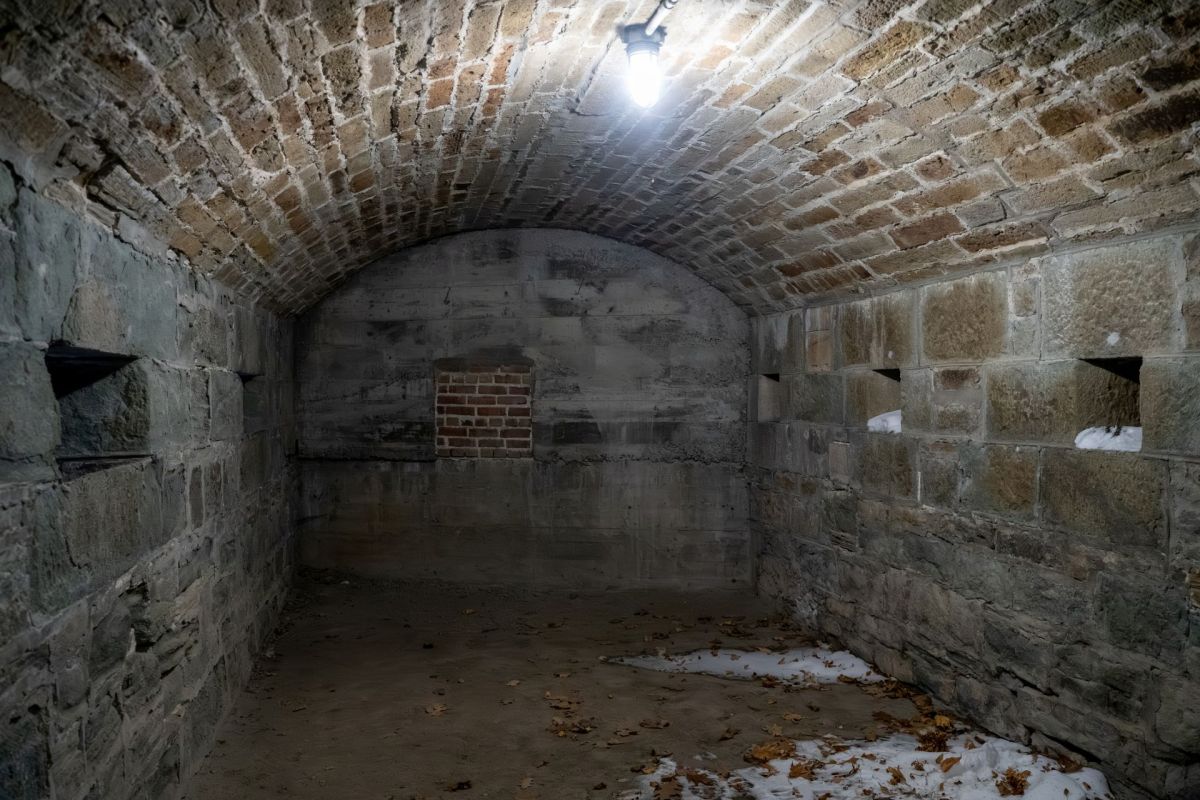
A decommissioned Cold War bunker in rural Nova Scotia is being recast as high-end housing, aimed at buyers who want a private place to shelter during disasters.
The project reflects a growing appetite for security and resilience, but for most people, emergency preparedness is far less glamorous than a high-end bunker.
What's happening?
According to the BBC, Canadian crypto mogul Jonathan Baha'i plans to turn the former Debert "Diefenbunker," a 64,000-square-foot nuclear bomb shelter, into a high-end 50-unit condo complex. The development would include biometric entry, on-site medical care, food production, a spa, and hotel-style rentals for periods when owners are away.
Originally built during the Cold War to protect government personnel, the bunker was designed to accommodate 329 people for at least 30 days. Baha'i bought the property in 2013 for C$31,300 (a little over $22,000 with today's exchange rate) and initially explored other uses for it, including laser-tag games, museum-style visits, and a modest data center.
Project co-owner Paul Mansfield said interest in the bunker has changed dramatically in recent years. "There's more uncertainty in the world in the last two years than in the last 30 years. It sort of led to a rebirth of people wanting to have an insurance policy," Mansfield said.
So far, 11 units have reportedly sold, though purchase prices and rental rates have not been disclosed.
TCD Picks » Quince Spotlight
💡These best-sellers from Quince deliver affordable, sustainable luxury for all




Why does it matter?
The project sits at the intersection of two very real trends: worsening weather-related disruptions and a growing industry built around disaster preparation. Baha'i rejected the "doomsday bunker" framing, saying, "It's not about the end of the world, it's about smart, practical storm preparedness, whatever kind of storm."
Emergency management agencies in the U.S. and Canada consistently advise households to prepare for several days without electricity by storing water, food, medications, batteries, and important documents. Hurricane Fiona's impact on Nova Scotia in 2022 underscored how quickly prolonged outages can turn basic necessities into a serious concern.
Still, the idea of a private refuge for the ultra-wealthy raises obvious questions about access and equity. Debert Councillor Marie Benoit said the expected hotel rates would likely be too expensive for many local residents, while Annette Sharpe, secretary of the Debert Military Museum, said the project also represents the loss of a piece of public history.
No shelter can make someone immune to every crisis. In many emergencies, following evacuation orders, maintaining insurance, and staying connected to community response systems matter more than staying inside a fortified building.
What's being done?
Baha'i said the project could bring jobs and new investment to a community that has struggled since the nearby military base closed. The development is expected to require more than 40 hotel staff, and he also plans to expand the site's data center to 15,000 square feet.
Reusing an existing structure can help preserve materials and avoid some of the waste and pollution associated with demolition and new construction.
Experts generally recommend assembling an emergency kit, keeping backup chargers and flashlights on hand, storing a few days' worth of food and water, and learning local evacuation routes. Weatherizing a home and reviewing insurance coverage can also provide meaningful protection without requiring a luxury condo.
Debert Mayor Christine Blair said that she hasn't heard any concern from residents over the project. As local restaurant owner Fady Farah joked, "If the situation were to pop off, you'd see me there, knocking on the doors. Someone's gotta cook their food while they're in there."
Sharpe, meanwhile, put the affordability concern more bluntly: "Who's gonna afford to buy one of those Hollywood pretend scenes?"

Get TCD's free newsletters for easy tips, smart advice, and a chance to earn $5,000 toward home upgrades. To see more stories like this one, change your Google preferences here.