


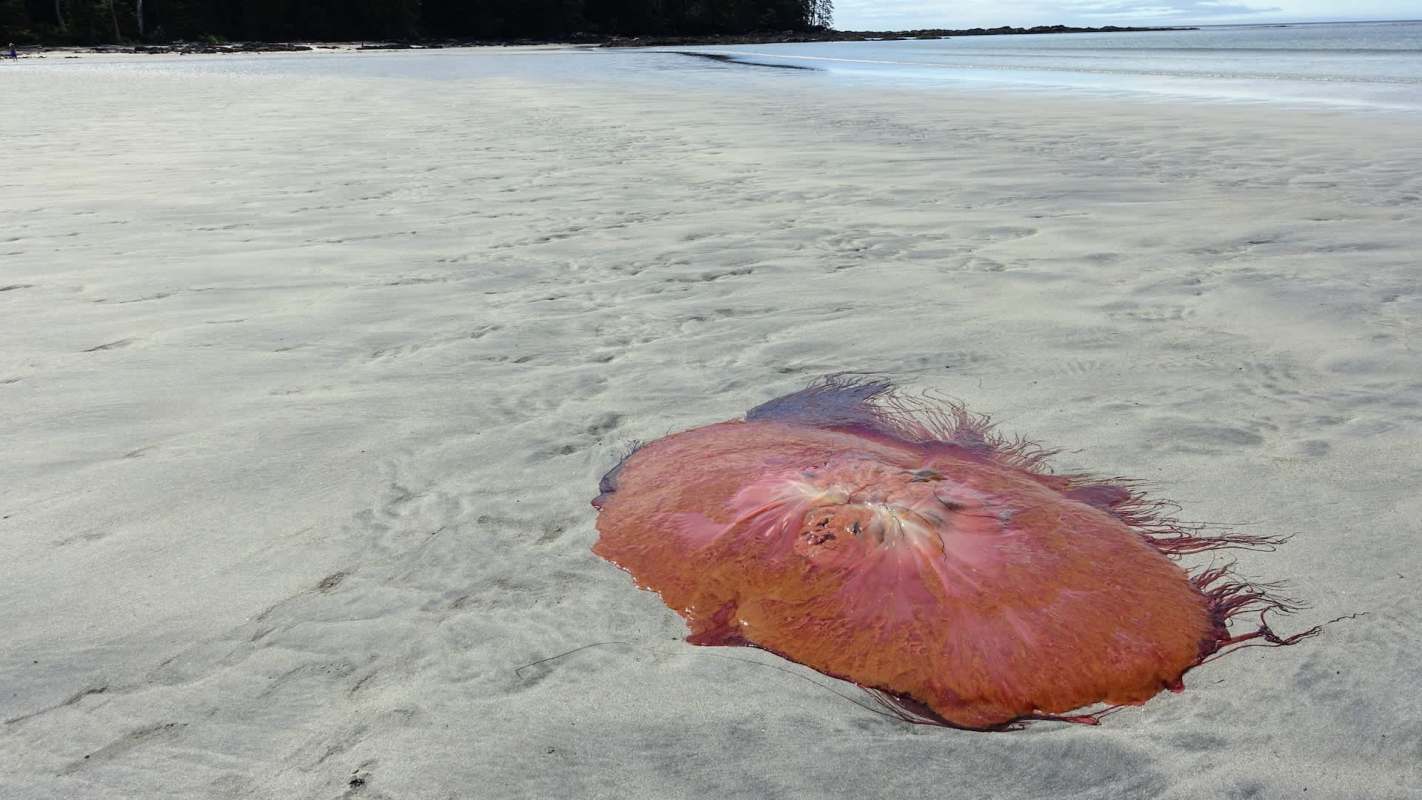
Massachusetts beachgoers are being urged to pay closer attention to the water this summer, as giant lion's mane jellyfish, the world's largest jellyfish species, are appearing in unusually high numbers near Cape Cod and other local beaches, raising concerns about painful stings and interrupted swim days.
An unusual surge in lion's mane jellyfish sightings is putting Cape Cod and other Massachusetts and New England beaches on alert, as the giant species can leave swimmers with painful stings and disrupt normal beach use.
What's happening?
Reports from Cape Cod and the South Shore indicate the species has shown up earlier and in greater numbers than usual.
Citing the Sandwich harbormaster, CBS News Boston said lion's mane jellyfish "are currently appearing in unusually large numbers off Cape Cod," even though they are more commonly spotted in Massachusetts from late spring into summer.
Massachusetts last experienced numbers this high in 2020.
The harbormaster said, "While Lion's Mane is normally seen from late spring through summer, this year reports began in May, with exceptionally high densities observed by mid-June."
TCD Picks » Quince Spotlight
💡These best-sellers from Quince deliver affordable, sustainable luxury for all




Swimmers may not notice them right away: the jellyfish are reddish-brown, can span more than 7 feet, and trail tentacles up to 100 feet long that are often difficult to see underwater.
Other coastal areas are seeing them as well. The New England Aquarium said Wednesday that lion's mane jellyfish had been observed along Massachusetts beaches and in surrounding waters, and in South Boston, the BCYF Curley Community Center limited beach access late last month after swimmers were stung.
Why does it matter?
A lion's mane jellyfish is not generally viewed as highly dangerous, but getting brushed by even a hard-to-see tentacle can be very painful and quickly turn a beach day into a first-aid situation.
The sightings also have ripple effects for communities that depend on beach access during the height of summer. Temporary restrictions, lifeguard warnings, and cautious swimmers can disrupt recreation and put pressure on coastal businesses that rely on seasonal visitors.
The harbormaster said, "Experts believe factors such as water temperatures and available food sources may contribute to these increases."
What's being done?
Officials and marine organizations are focusing first on warning the public.
The New England Aquarium cautioned beachgoers, "Keep an eye out: lion's mane jellies can give a pretty painful sting!"
Beach staff are also asking people to speak up when they spot one, whether it is drifting offshore or lying on the sand, so lifeguards can track activity and alert other swimmers before more people get hurt.
People are being urged to check local beach conditions before heading out, watch the water carefully, avoid touching jellyfish on the shore, and give any suspicious shape in the surf plenty of space.
The aquarium said, "If you see one washed up on the beach or floating in the water, it's best to admire it from a safe distance."
If someone is stung, the harbormaster said, "If stung, rinse with warm water and carefully remove tentacles with tweezers."

Get TCD's free newsletters for easy tips, smart advice, and a chance to earn $5,000 toward home upgrades. To see more stories like this one, change your Google preferences here.







