


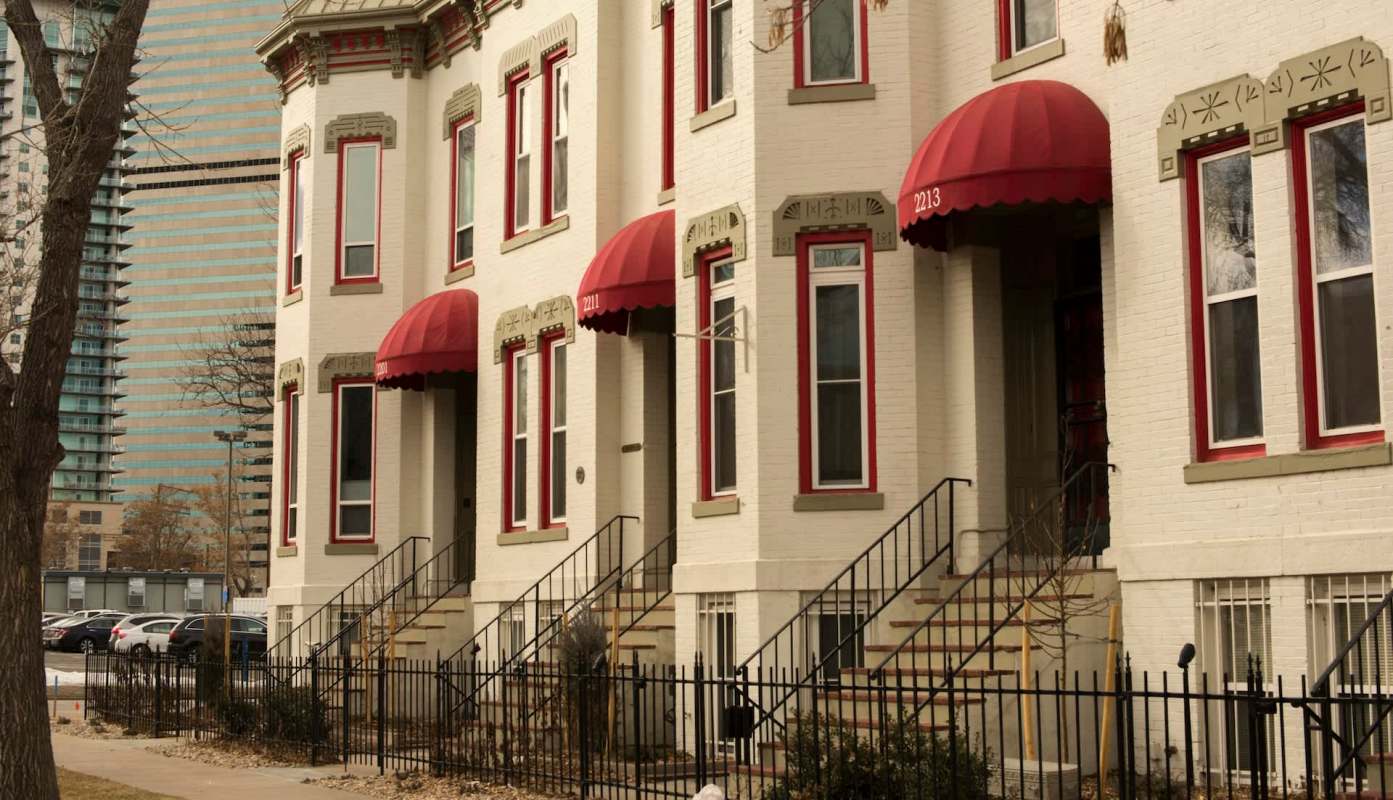
One of Denver's clearest waste-service gaps has been in large apartment buildings, where residents have not had the same guaranteed access to recycling as people in single-family homes.
But starting Sept. 1, the city will begin applying rules that could bring recycling and, in some cases, composting, to more than 100,000 people.
What's happening?
The change comes through Denver's voter-approved Waste No More ordinance, which passed in 2022 with more than 70% of the vote, according to The Colorado Sun.
Under the ordinance, buildings with eight or more apartment units must provide access to recycling for residents, ending a long-standing difference between large multifamily housing complexes and single-family homes.
Elizabeth Babcock, director of Denver's Office of Climate Action, Sustainability and Resilience, told the Sun that the change will affect both residents and Denver's overall waste system.
"This is really a game changer for people living in those larger multifamily buildings," Babcock said.
TCD Picks » Quince Spotlight
💡These best-sellers from Quince deliver affordable, sustainable luxury for all




The ordinance reaches beyond housing. Restaurants, other businesses, and permitted events of 350 or more people will also be required to offer recycling and composting, along with food-waste handling plans.
Construction and demolition projects will face new standards as well. Once they meet the applicable size thresholds, they must recycle or reuse half of the on-site debris by weight and cover at least three qualifying materials, per the Sun.
Why does it matter?
For many Denver residents, the rules could finally add a routine service they have largely missed out on because of the kind of building they live in, making daily waste disposal less wasteful and easier to manage.
In many larger apartment buildings, landlords have avoided adding recycling or composting because of cost concerns or limited space.
That matters in a state with poor waste diversion rates, because both multifamily housing and construction sites generate large amounts of material that could be kept out of landfills. Keeping recyclable and compostable materials out of landfills can also help reduce pollution while recovering useful resources.
The effort is part of a broader push underway in communities across the country to expand access to basic waste services that many people already assume are universal.

Get TCD's free newsletters for easy tips, smart advice, and a chance to earn $5,000 toward home upgrades. To see more stories like this one, change your Google preferences here.






