


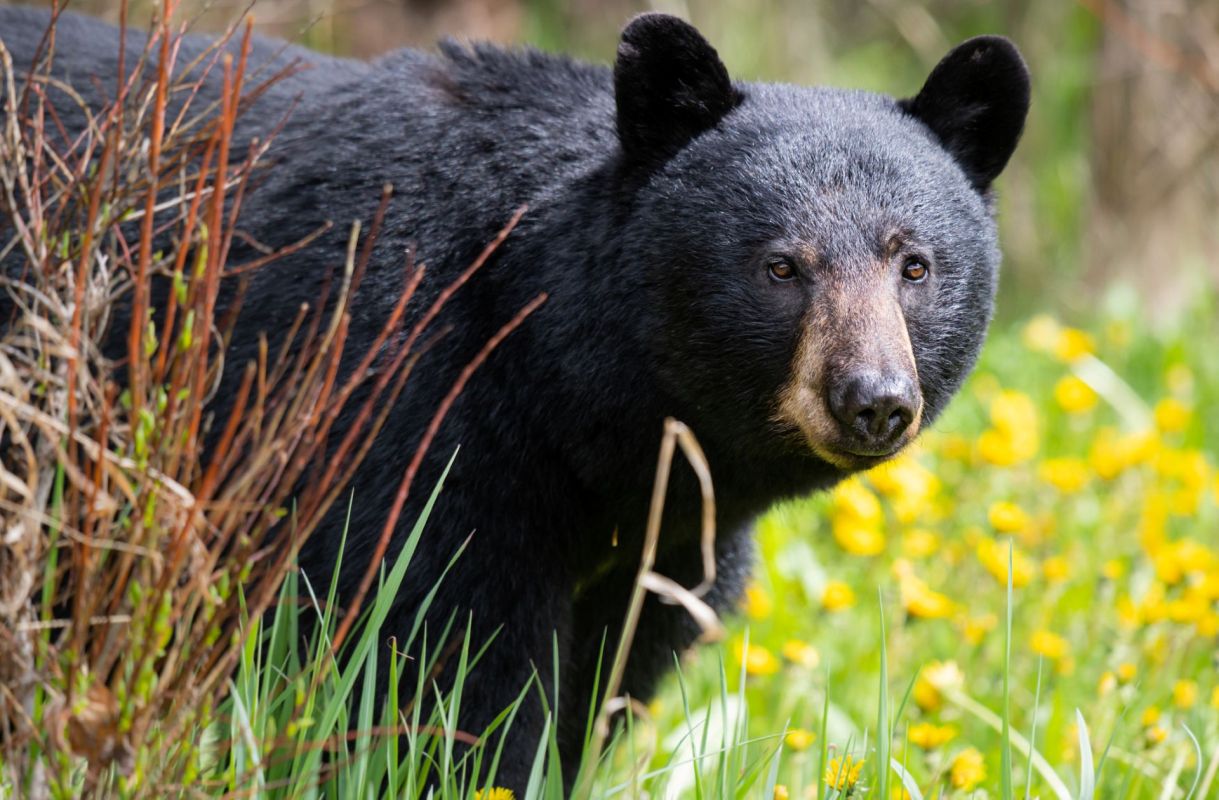
A black bear in Connecticut pulled off a delicious heist after walking up to a parked car, opening the rear door with its mouth, and strolling away with a bag of peanuts.
The unusual break-in may seem amusing, but it also shows how quickly wild animals can learn that human spaces sometimes offer easy food rewards.
What happened?
Monday night footage from Riverton showed a black bear working out how to open the back door of a vehicle by using its mouth. Once the door was open, the animal looked inside, took a white bag, and moved on, leaving the car open behind it. The vehicle was not damaged.
According to WTNH, the person who shared the video with News 8 realized something was off after noticing that the car door had been left open. When they reviewed their security camera's footage, they found the bear entering the vehicle.
The individual first assumed the bear may have made off with a tool, but it was later determined that the animal was targeting a bag of peanuts stored in the back. After the bear was spotted, the owner told the outlet that his two dogs, a German shepherd and a French bulldog, went outside and were able to catch the scent of the bear.
WTNH later shared images of the bear throughout the peanut heist.
TCD Picks » Quince Spotlight
💡These best-sellers from Quince deliver affordable, sustainable luxury for all




Why does it matter?
Wildlife is often drawn closer to people when food is left within reach.
In this case, the bear did not need to smash a window or force its way inside. It caught a scent, figured out the door handle, and was rewarded.
One successful food raid can encourage repeat behavior. Bears that learn to associate cars, porches, trash cans, or garages with calories may keep coming back, increasing the chances of property damage, frightening encounters, or dangerous outcomes for both people and animals.
Human behavior is often part of the story in wildlife run-ins. Leaving snacks, pet food, garbage, or other scented items in easy-to-reach places can unintentionally train animals to seek out neighborhoods.
As BBC Future has reported in its coverage of human-wildlife conflict, human habits and expanding development can reshape how wild animals behave around people.

Get TCD's free newsletters for easy tips, smart advice, and a chance to earn $5,000 toward home upgrades. To see more stories like this one, change your Google preferences here.







