


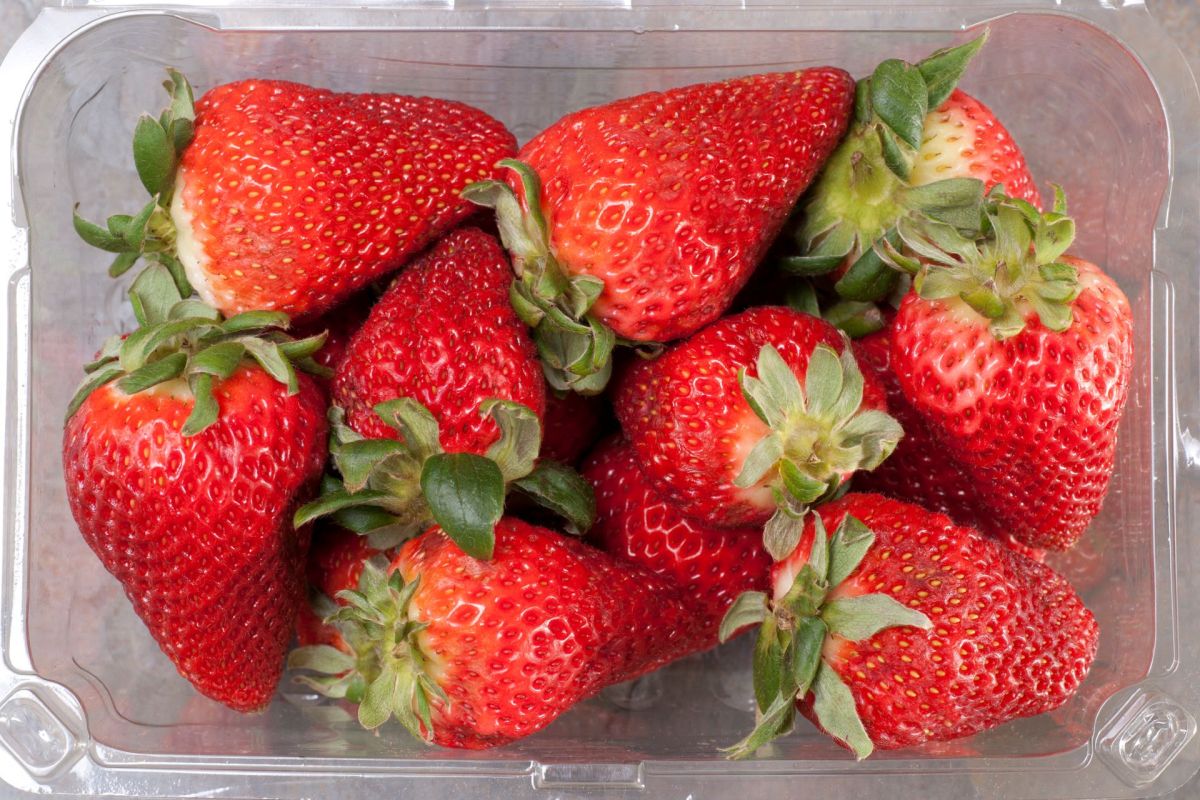
A lawsuit filed in California is placing Driscoll's, the world's largest berry distributor, under uncomfortable scrutiny after shoppers alleged the company sold conventional strawberries contaminated with eight pesticide-linked PFAS compounds, chemicals often called "forever chemicals" because they can remain in the environment and the human body for years.
What happened?
According to Inc, the complaint says strawberries sold by Driscoll's tested positive for 12 pesticides, with eight of them classified as toxic per- and polyfluoroalkyl substances, also known as PFAS. However, the company's USDA organic strawberries did not test positive for any pesticide residue.
Another focus of the complaint is the company's marketing. Plaintiffs argue that promoting the fruit as "only the finest" does not square with allegations that the strawberries were sold with pesticide-linked PFAS residues.
The suit claims that "Driscoll's ran an environmentally friendly campaign — greenwashing its true farming and manufacturing practices." The claims remain allegations that will need to be tested in court.
Why does it matter?
What makes PFAS especially concerning is their persistence. They are called "forever chemicals" because they do not easily break down. Scientists have linked exposure to various PFAS to a range of health concerns, including certain cancers, hormone disruption, immune system effects, and developmental problems.
Strawberries are widely seen as a healthy staple, so if a trusted brand sold fruit carrying these kinds of chemical residues, it could raise questions about how much shoppers really know about what is in their food and whether premium branding is being used to cover questionable practices.
TCD Picks » Quince Spotlight
💡These best-sellers from Quince deliver affordable, sustainable luxury for all




PFAS contamination can move through soil and water, potentially affecting farmworkers, nearby communities, and ecosystems long after a crop has been harvested.
Because the company has such an enormous footprint in the produce market, allegations involving its strawberries could reach far beyond a single store.
What's being done?
The most immediate action is the lawsuit itself, which could push for greater disclosure around testing, sourcing, and how pesticide-linked PFAS may have ended up on the strawberries. Cases like this can also increase pressure on major food companies to strengthen internal standards before regulators step in.
It may also add momentum to the broader push for tighter oversight of PFAS in agriculture, packaging, and consumer goods. Public concern has already helped drive increased scrutiny of forever chemicals in products people use every day.
Consumers who want to better understand how marketing can gloss over questionable practices can also check out the TCD Guide's page on greenwashing.
For now, the case centers on a basic expectation from consumers: Food sold under the promise of "only the finest" should not leave shoppers worrying about forever chemicals in a carton of strawberries.

Get TCD's free newsletters for easy tips, smart advice, and a chance to earn $5,000 toward home upgrades. To see more stories like this one, change your Google preferences here.







