


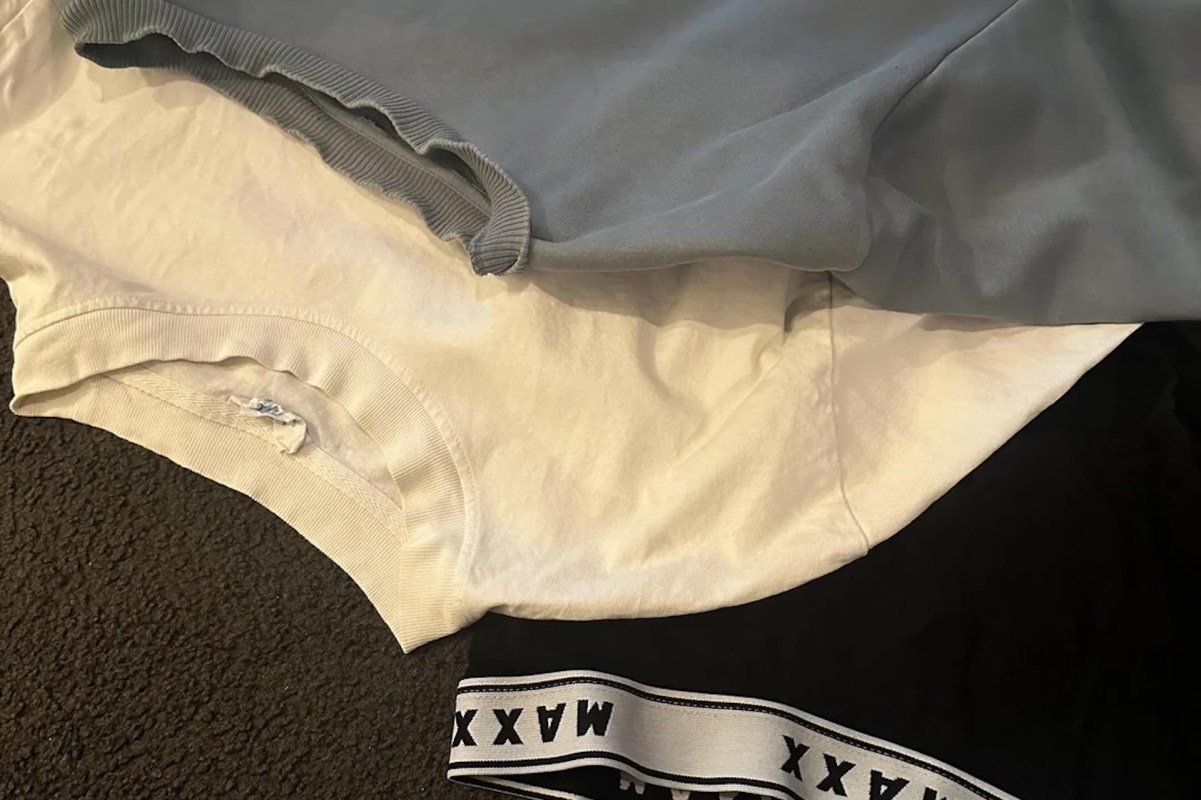
A frustrating wardrobe problem struck a nerve online after one shopper asked why their favorite tees kept developing wavy, stretched-out collars — the dreaded "bacon neck."
The discussion quickly became a practical reminder that how shirts are washed, dried, and handled can make the difference between a long-lasting basic and one that looks worn out far too soon.
What's happening?
After trying several ways to care for the shirts without success, the Reddit user turned to the r/BuyItForLife subreddit for advice. In the post, they wrote: "Tons of my clothes have started doing this over time. Some of my favorite tees have started to slowly turn to Smiths crinkle cuts."
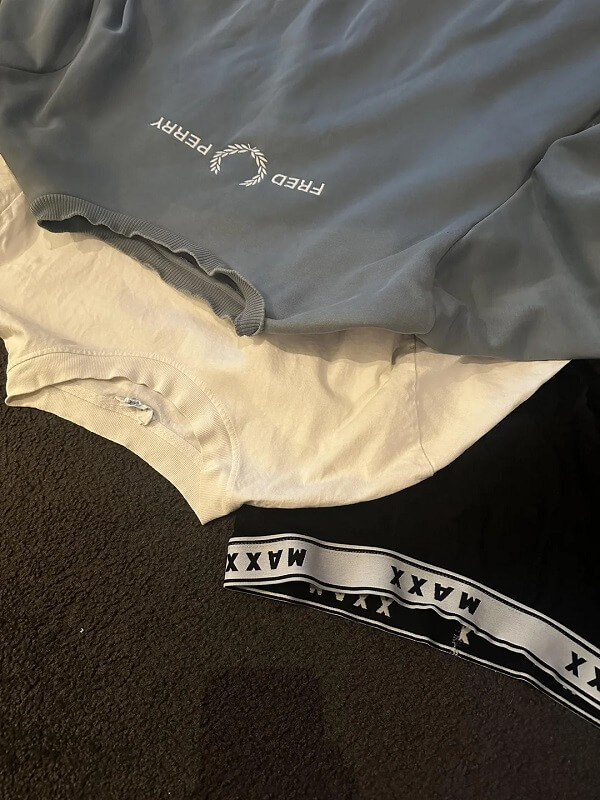
Hundreds of Redditors commented on the thread, and the replies pointed to a few likely reasons. Commenters mentioned high dryer heat, damage from wet shirts being supported at the collar or pulled off over the head, and the tendency of lower-quality garments to lose their shape faster.
Rather than a single laundry error, the problem often results from repeated wear on the same area. Heat, rubbing, and less durable fabric or construction can slowly distort a T-shirt's ribbed neckline until it begins to wave.
Why does it matter?
Once a collar turns wavy, an otherwise wearable shirt can start to look old or sloppy, often leading to its replacement sooner than necessary. Using less dryer heat can also reduce energy use, which may help lower utility costs over time.
TCD Picks » Quince Spotlight
💡These best-sellers from Quince deliver affordable, sustainable luxury for all




Clothes that wear out early create greater demand for replacements, especially in a market already saturated with cheaply made fast-fashion basics. Keeping a T-shirt in rotation longer can reduce waste and delay replacement.
What can I do?
Most of the suggestions in the thread focused on being gentler with both heat and handling. That can mean cooler wash settings, skipping high dryer heat, and drying shirts flat or on a line instead of letting the neck opening bear the weight.
Small habits outside the laundry room may matter, too. Stretching the neck while putting a shirt on, removing it by grabbing the collar, or pulling at the neckline after applying deodorant can repeatedly stress the same spot.
When buying new shirts, shoppers may want to look for sturdier construction, such as thicker collar ribbing, stronger stitching, or taped neck seams. A slightly better-made shirt may cost more upfront, but it can be cheaper in the long run if it holds its shape through many more washes.
For shirts that already have mild waviness, careful steaming and reshaping may improve the appearance somewhat, but prevention is likely the biggest money-saver.

Get TCD's free newsletters for easy tips, smart advice, and a chance to earn $5,000 toward home upgrades. To see more stories like this one, change your Google preferences here.






