


For homeowners in storm-prone areas, a flooded basement can turn a power outage into a much bigger emergency.
One Reddit post from a worried relative seeking advice for a widowed mother-in-law highlights a challenge many families face: When mobility is limited, the best backup plan may be the one that requires the least hands-on effort.
What's happening?
The question was less about supplying power to an entire home than about keeping one vulnerable system working for a widowed mother-in-law who cannot easily reach the basement.
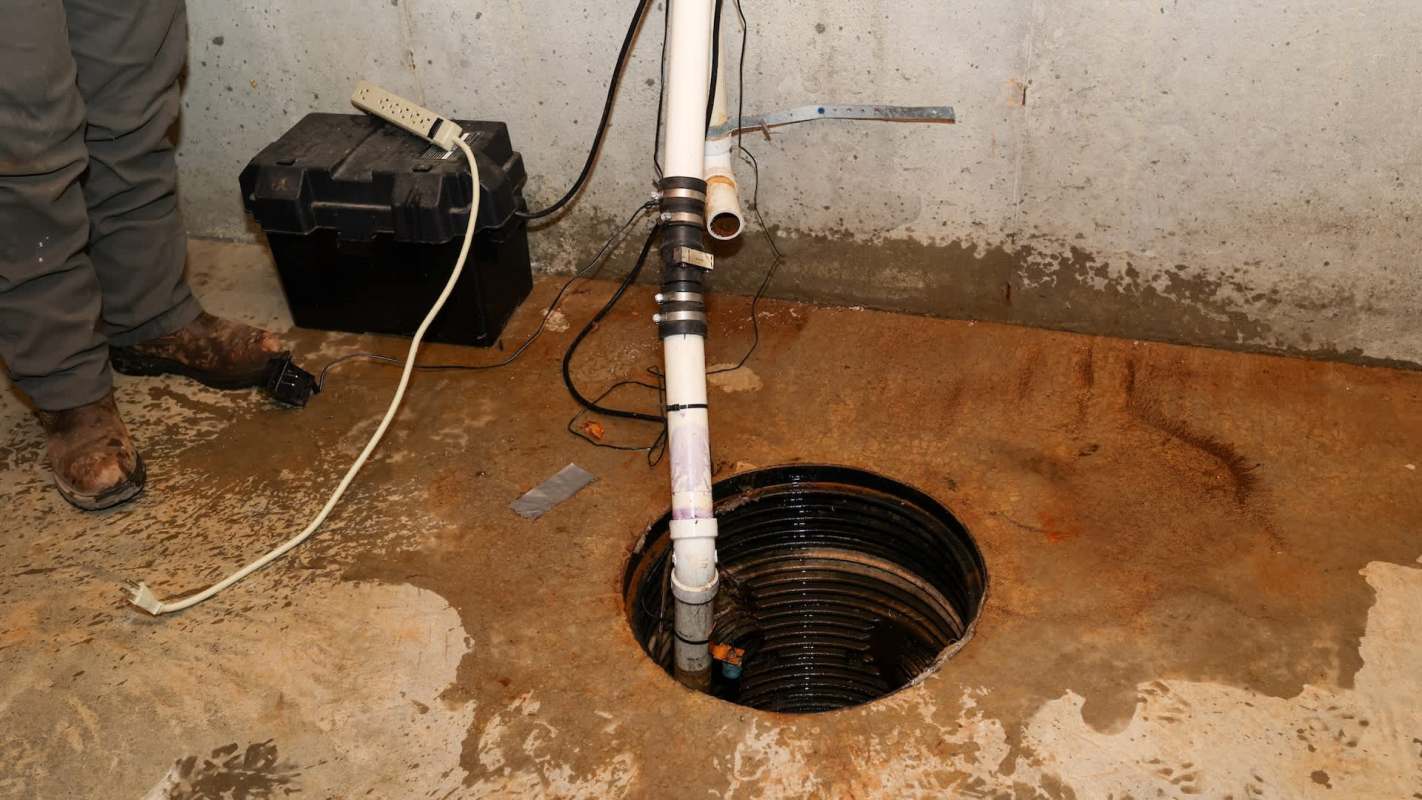
In a recent post on Reddit, a user asked whether that situation called for a whole-house generator or a simpler backup for the sump pump. As the poster explained, "Mother in law is less than mobile, and has raised concerns with her not being able to get to the basement to check her sump pump."
The Redditor then asked the question, "Would a whole-house Generac be overkill just to keep a sump pump running, or is the dedicated battery backup pump the smarter, simpler call?"
A whole-home generator can keep several appliances on during an outage, but it may be more equipment than a household needs if the top priority is avoiding basement flooding.
Adding battery storage is one of the best ways to protect your home during outages and save money on energy. Homeowners can explore EnergySage's free tools for information about home battery storage options, including competitive installation estimates. Plus, EnergySage has teamed up with Qmerit to guarantee you get the best price.
If you're not ready for the high up-front cost of investing in a whole-home battery system, you can take a look at Pila's plug-and-play system that is a fraction of the cost.
Save $10,000 on solar panels without even sharing your phone number Want to go solar but not sure who to trust? EnergySage has your back with free and transparent quotes from fully vetted providers in your area. To get started, just answer a few questions about your home — no phone number required. Within a day or two, EnergySage will email you the best options for your needs, and their expert advisers can help you compare quotes and pick a winner. Solar panels can save you more than $50k over their 25-year lifespan, and EnergySage can help you save as much as $10k on installation. Which begs the question — isn't that worth an email or two? |

Why does it matter?
A sump pump is one of those home systems that can be easy to overlook until it stops working at the worst possible moment. If the power goes out during heavy rain, a basement can fill quickly, damaging flooring, walls, stored belongings, and major equipment such as furnaces or water heaters.
Adding battery storage can protect a home during outages while also helping reduce energy costs by storing power for later use. For households seeking more energy independence, batteries can also be a realistic step toward going off-grid, especially when paired with other home electrification upgrades.
What can I do?
The first step is determining what the backup system actually needs to accomplish. If the goal is simply to keep water out of the basement, homeowners can compare the cost of a battery backup pump, a dedicated battery storage setup, and a whole-home generator before paying for extra capacity they may rarely use.
The poster summed up their priority clearly: "I think the most hands-off fix is best, since she can't easily get down to the basement to intervene."

Get TCD's free newsletters for easy tips, smart advice, and a chance to earn $5,000 toward home upgrades. To see more stories like this one, change your Google preferences here.






