


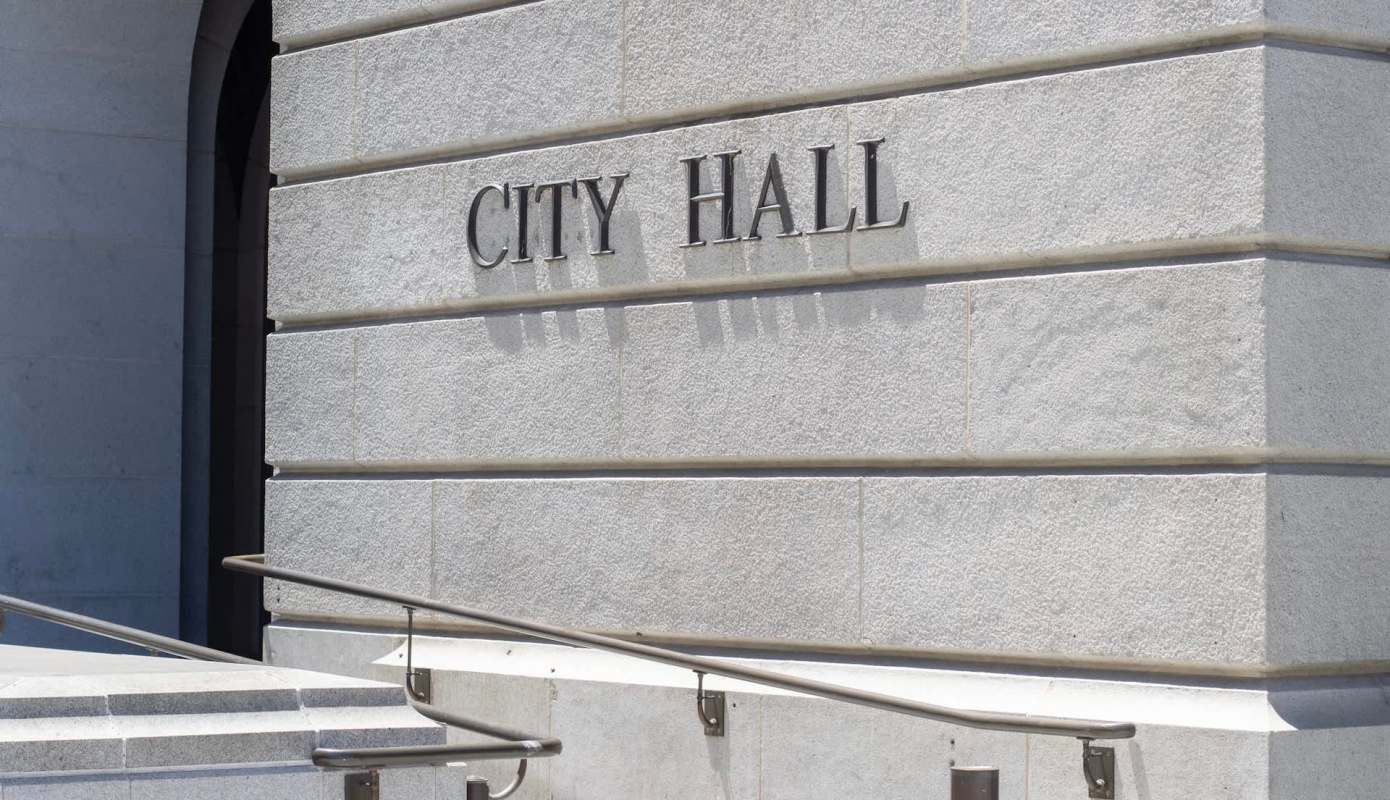
A Wisconsin village is hitting pause on large data center development as local officials weigh what those projects could mean for health, safety, finances, and daily life.
Greenville's move reflects a broader national debate over how communities should manage the rapid expansion of the digital infrastructure behind artificial intelligence and cloud computing.
What's happening?
WLUK reported that Greenville's Planning Commission recommended a moratorium in May, and on July 13, the Village Board unanimously adopted a one-year freeze on new data centers of 10,000 square feet or more. Telecommunications centers already above that size can remain in place, but structural repairs or alterations cannot exceed 50% of a building's assessed value.
Explaining the concern at a May 18 Planning Commission meeting, Village President Jack Anderson said, "This prevents us from having anybody come in and surprise [us] … not only our staff, but all of us in the room that live here or work here, or are just here because we love this community."
Why does it matter?
Data centers are becoming increasingly central to modern life, storing information and powering everything from streaming services to online banking to AI operations. But they can also place major demands on local power systems, land-use planning, and water resources.
The AI boom is closely tied to the energy grid. AI can help utilities forecast demand, improve grid efficiency, and better integrate clean energy sources such as wind and solar. At the same time, the data centers supporting AI can consume enormous amounts of electricity and water, potentially straining local infrastructure, increasing costs, creating security risks, or producing other unintended effects if growth outpaces planning.
TCD Picks » Quince Spotlight
💡These best-sellers from Quince deliver affordable, sustainable luxury for all




WLUK reported that local officials are examining public-interest impacts, including health, safety, and welfare.
What's being done?
Greenville is choosing time over speed. The one-year moratorium gives staff and officials room to study the potential secondary effects of data centers and determine whether village ordinances need updating.
The pause is intended to give communities time to answer important questions, such as: How much power would a proposed facility require? Would new transmission lines or substations be needed? Could local water use, traffic, or emergency planning be affected? And who ultimately bears the cost if infrastructure must expand?
Greenville's own resolution makes the village's goal clear: "The purpose of the moratorium is to provide the Village of Greenville with adequate time to assess the impacts and secondary effects of data centers and promote meaningful development and implementation of Greenville General Ordinances with regard to such."

Get TCD's free newsletters for easy tips, smart advice, and a chance to earn $5,000 toward home upgrades. To see more stories like this one, change your Google preferences here.






