


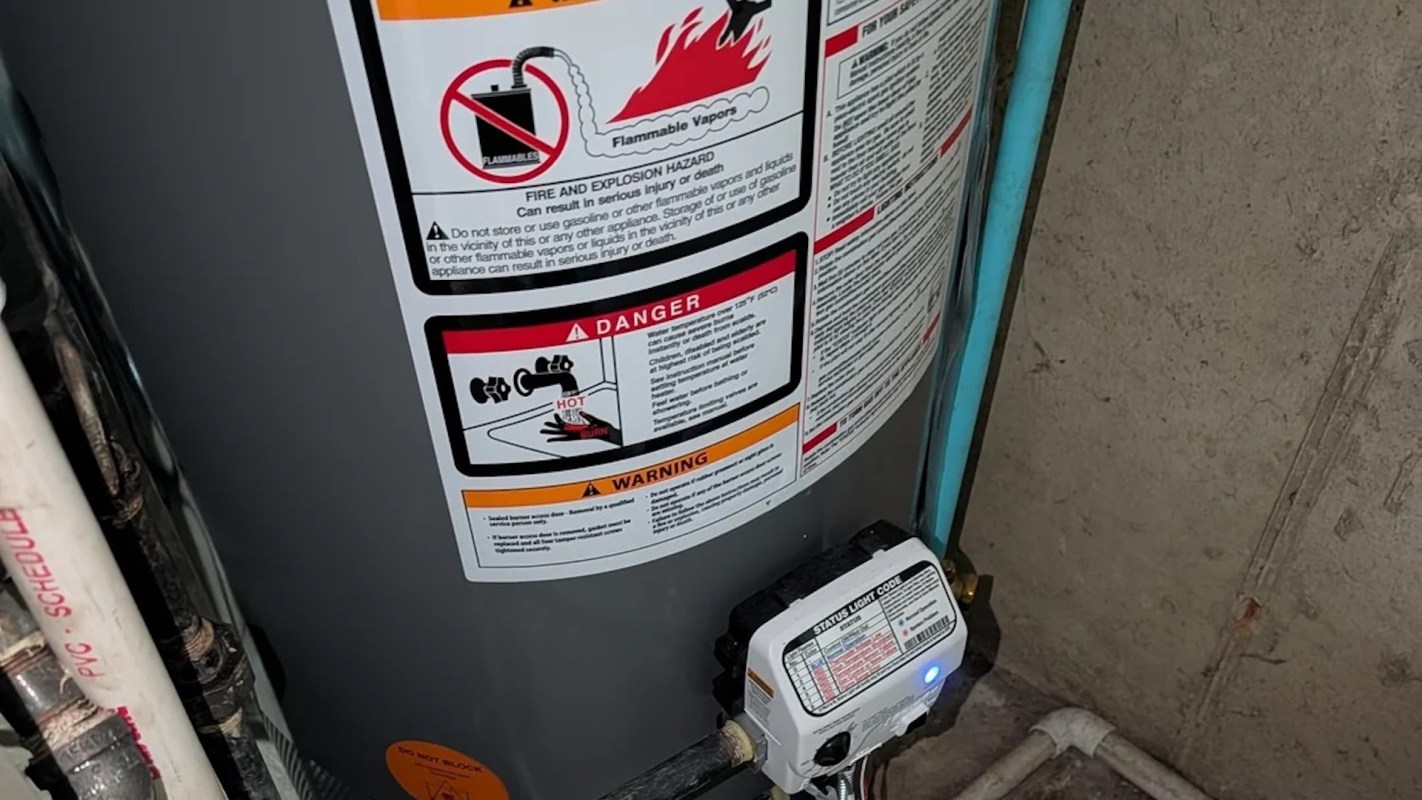
A new water heater is supposed to solve problems, not create a new mystery.
But one homeowner went online after noticing a damp patch on the floor next to a recently installed unit, and many readers suspected the nearby AC was the more likely culprit.
What's happening?
A homeowner turned to r/Plumbing after spotting a slightly wet area on the floor beside a newly installed water heater and wondering if it was a real issue or simply normal moisture.
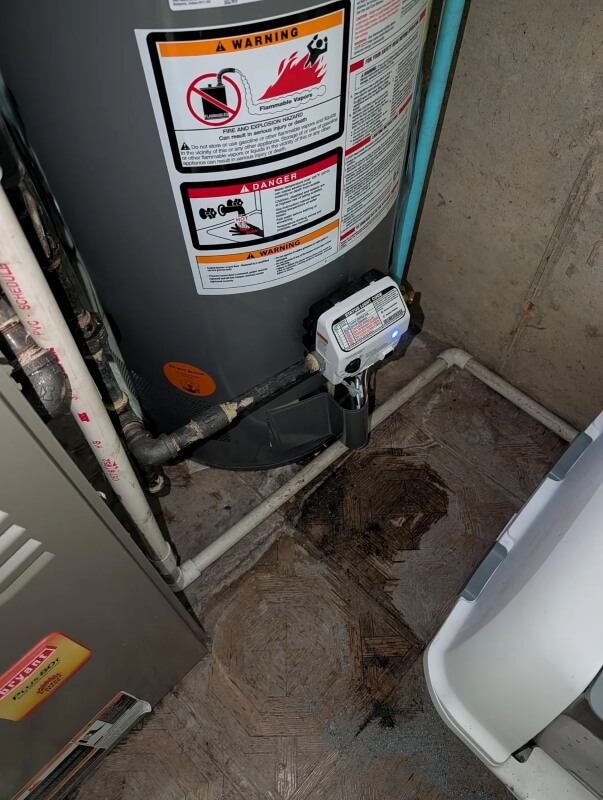
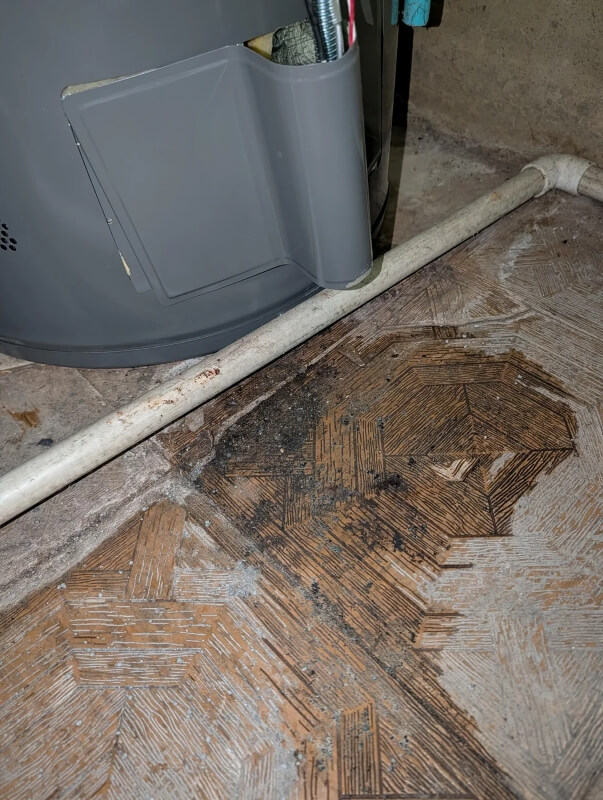
In the post, they asked whether it was "something that needs to be addressed" or "just a little condensation possibly."
The setup may have made the source harder to identify: the water heater sits next to the home's AC equipment, and the homeowner said they had "been running the AC like crazy" during a run of 90-degree weather.
They also noted that the new heater had been installed a few months earlier.
Rather than assuming the tank itself was at fault, several commenters focused on the AC side first.
One wrote, "That looks like it has been leaking a long time. Check if the condensation drain is clogged. On the water heater see if the relief valve is leaking."
Save $10,000 on solar panels without even sharing your phone number Want to go solar but not sure who to trust? EnergySage has your back with free and transparent quotes from fully vetted providers in your area. To get started, just answer a few questions about your home — no phone number required. Within a day or two, EnergySage will email you the best options for your needs, and their expert advisers can help you compare quotes and pick a winner. Solar panels can save you more than $50k over their 25-year lifespan, and EnergySage can help you save as much as $10k on installation. Which begs the question — isn't that worth an email or two? |

Another added, "The installer might have cracked the condensate drain when installing the water heater," and recommended putting a paper towel under the white pipe on the floor to see whether it gets wet.
Why does it matter?
A small wet spot may not seem urgent, especially when the equipment is new. However, whether it comes from an AC drain, a relief valve, or a loose top connection, moisture can lead to wasted water, higher bills, mold, and damage to flooring or walls if left unchecked.
Summer can make that confusion even more common. When AC systems are working overtime, condensate drains handle more water, so a clog or crack can become noticeable quickly, even if the water heater itself is functioning normally.
What can I do?
The first step is figuring out where the moisture is actually coming from. Dry the area completely, then check whether the dampness returns only when the AC is running, only after heavy hot-water use, or all the time.
Using a paper towel around connections, the drain valve, and nearby pipes can help identify slow drips.
It can also help to inspect the AC condensate line, drain pan, and the floor around the indoor cooling equipment. In hot, humid weather, tanks and cold pipes can sweat, but persistent moisture still deserves attention.
If the source is not obvious, calling a plumber or HVAC technician before any damage spreads is the safest option.
For homeowners already considering an upgrade, Cala offers customizable smart heat pump water heaters that help them reduce their energy bills by heating water exactly when it's needed. Unlike standard tanks that keep reheating water on a simple cycle, these systems are designed to better match real household demand. That can mean less wasted energy and lower monthly bills, especially for families trying to reduce the cost of heating water.
Smart equipment won't eliminate the need to check for leaks or condensation, but it can make replacement decisions more cost-effective when an old unit really is failing. For households comparing long-term options, Cala offers one example of how newer water-heating technology can deliver both efficiency and savings.

Get TCD's free newsletters for easy tips, smart advice, and a chance to earn $5,000 toward home upgrades. To see more stories like this one, change your Google preferences here.






