


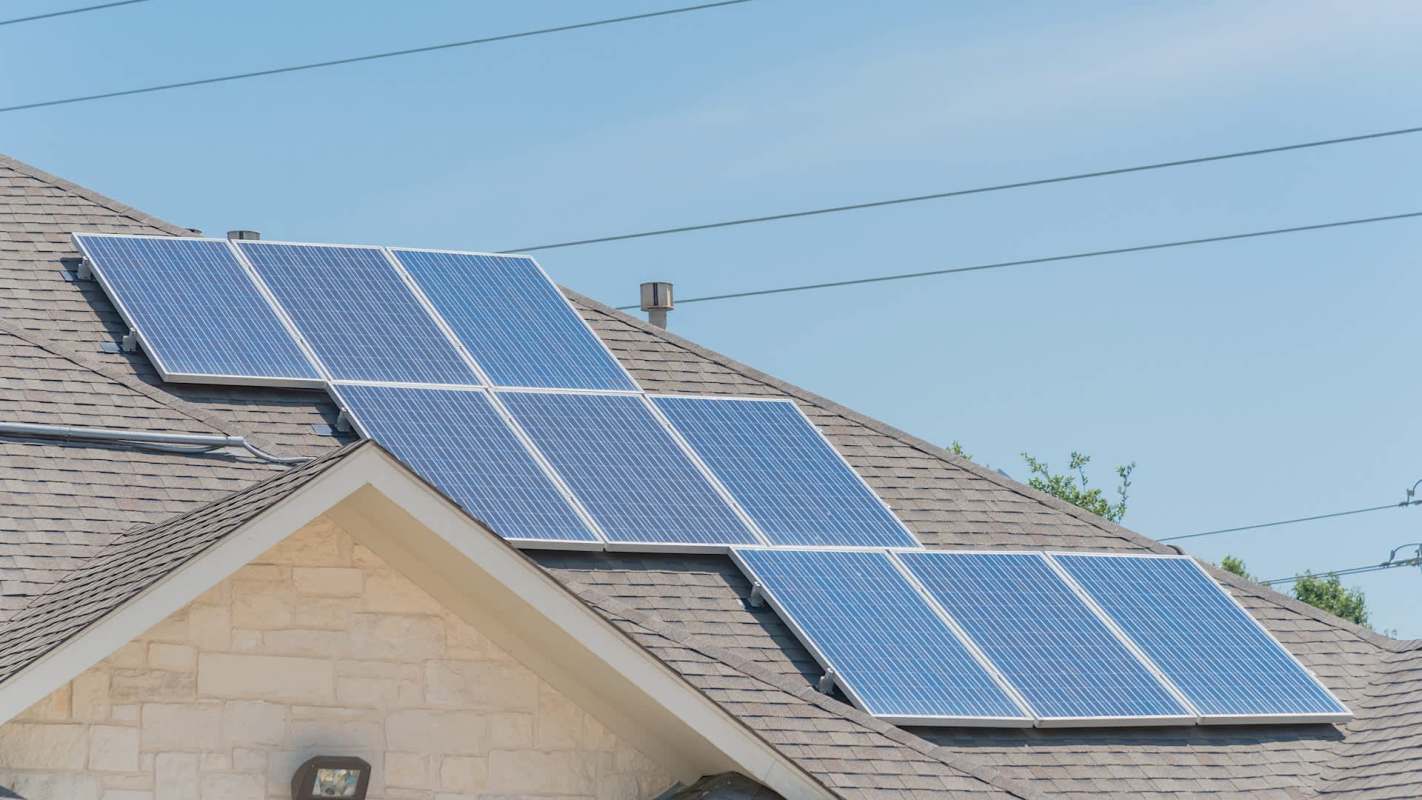
For one Minnesota homeowner, rooftop solar has turned summer sunshine into serious savings.
Three years into using rooftop solar in New Ulm, Dr. John Brownfield saw one standout month bring his combined electric and city charges down to just $4.
What happened?
Brownfield's property fit the profile installers look for: a house built in 1995 with a pitched roof and little to block the sun, according to The Journal.
Rather than pairing the array with backup batteries, Brownfield chose a standard grid-connected setup built around 36 SunPower panels. He said the extra cost of storage was hard to justify because outages in the area are uncommon.
For most of the year, the panels produce at a level that covers more than the household consumes. Brownfield said the surplus lasts about 8 months annually.
"Surprisingly, May was the best month," he said. "May is one of the better months because you don't have to use your air conditioning as much."
For homeowners with the right roof, going solar is one of the best ways to save money on home energy. If you're curious about the math, you can use EnergySage to get quick solar installation estimates and compare quotes from installers.
After incentives, Brownfield said he spent about $30,000 on the project, with the federal 30% tax credit reducing the total. Based on estimated savings and financing costs, the installer said the system should pay for itself in roughly 14 years.
Save $10,000 on solar panels without even sharing your phone number Want to go solar but not sure who to trust? EnergySage has your back with free and transparent quotes from fully vetted providers that can help you save as much as $10k on installation. To get started, just answer a few questions about your home — no phone number required. Within a day or two, EnergySage will email you the best local options for your needs, and their expert advisers can help you compare quotes and pick a winner. |

Why does it matter?
Home solar can trim monthly utility bills while reducing dependence on electricity generated by polluting, non-renewable sources.
That can mean cleaner air, less planet-warming pollution, and more predictable energy costs for households over time.
Still, Brownfield said solar production drops during Minnesota winters.
"For sure January and February and December, we have to use more than we produce," he said, according to The Journal.
More From EnergySage
💡Go deep on the latest news and trends shaping the residential solar landscape
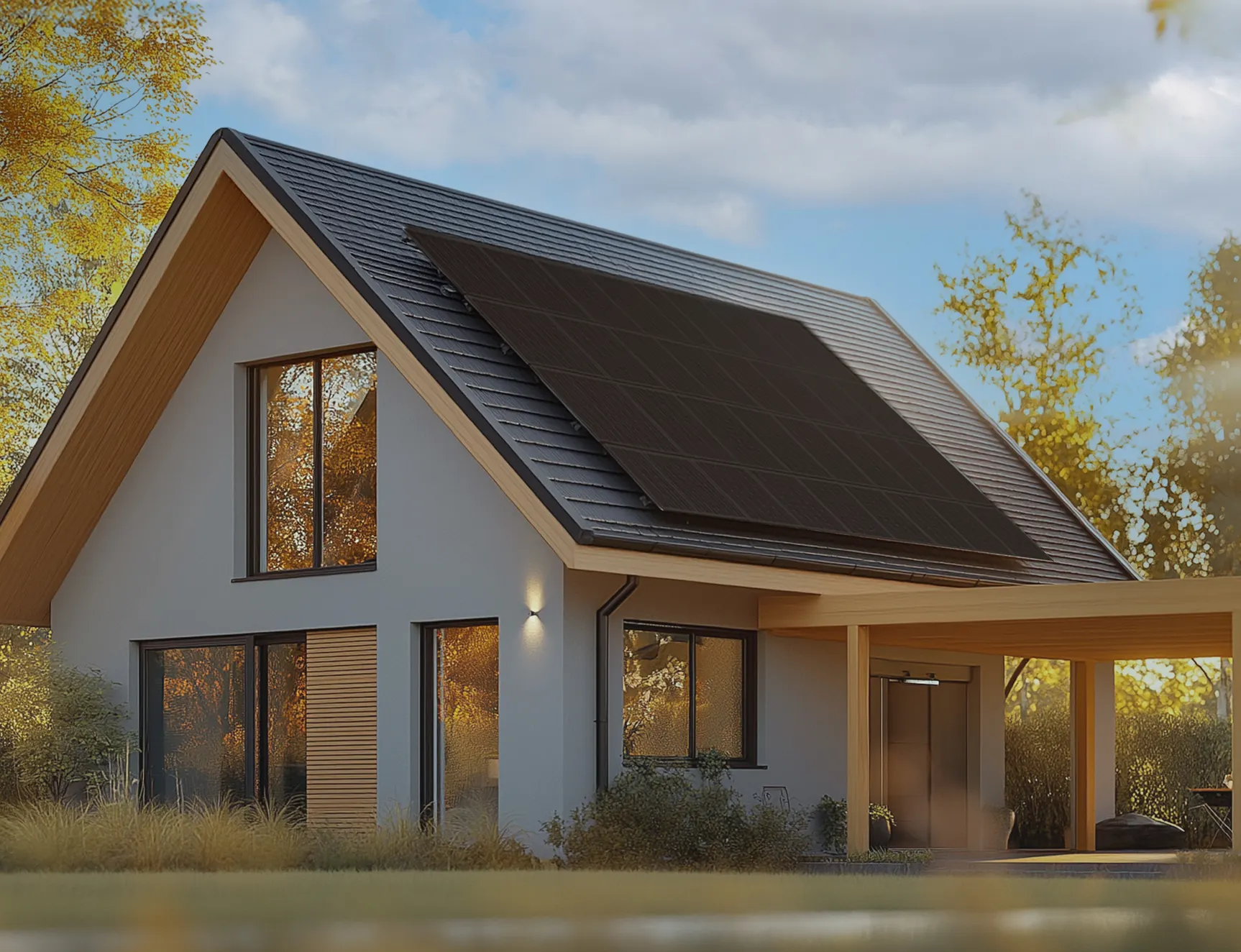
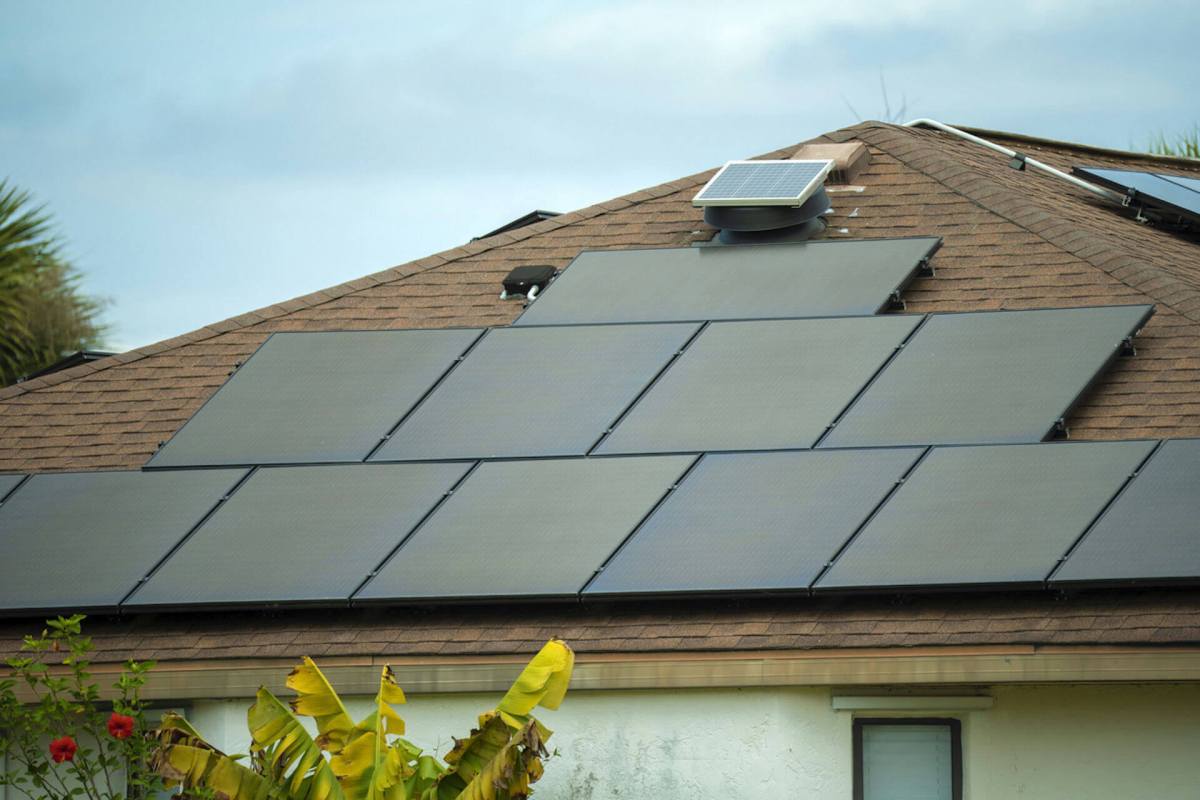

He added that the panels still provide meaningful offsets during colder months.
Solar is not the right fit for every property. Retired internist Dr. Joan Krikava said her home was not a good fit for panels.
"We do not have solar panels. Our house doesn't have enough flat space to make it worthwhile," she said.
Older homes with complicated rooflines, heavy tree cover, or poor orientation may face similar obstacles.
At the city level, residential solar still accounts for only a small portion of the energy mix. New Ulm Public Utilities said the city has 37 distributed solar systems with 406.74 kilowatts of capacity, estimated to produce about 668,000 kilowatt-hours annually — roughly 0.3% of the city's electricity supply, the Journal reported.
What can I do?
Anyone weighing solar should start with the basics: compare several bids, make sure the roof is in good shape, and ask the local utility how interconnection, net metering, and incentives work.
New Ulm Public Utilities Director Brett Fleck also cautioned that installing long-life panels on an aging roof can create higher costs later, according to The Journal.
Free comparison tools can help make that process easier. With EnergySage's help, you can save up to $10,000 on solar purchases and installations. Meanwhile, EnergySage's solar map shows the average cost of a home solar panel system on a state-by-state level and includes details on solar panel incentives for each state. Together, those resources can help readers get the best price for rooftop solar panels and access available incentives.
While Brownfield decided not to, adding battery storage to a solar setup is one of the best ways to keep power on during outages, save on energy costs, and go off-grid. Home batteries can store extra solar power for later use, giving households more flexibility when the sun is not shining. Readers can also explore EnergySage for information about home battery storage options, including competitive installation estimates.
Brownfield's advice was straightforward: Do the research and make sure your home is actually a good fit before making the investment.
"I really like having the panels and it's been a good experience so far," Brownfield said, according to The Journal. "Unfortunately, not every house is able to do it."

Get TCD's free newsletters for easy tips, smart advice, and a chance to earn $5,000 toward home upgrades. To see more stories like this one, change your Google preferences here.






