


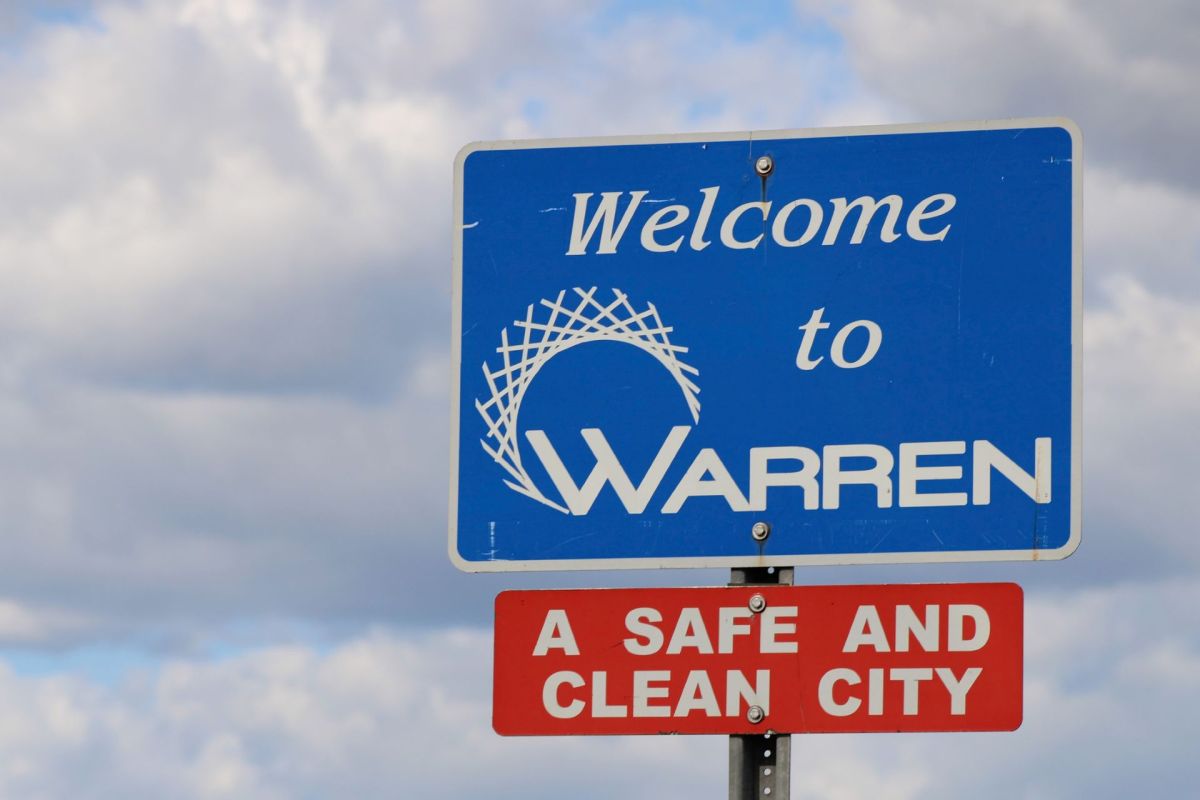
Warren, Michigan, officials weighed a temporary halt to new data center development after July 3 storms knocked down more than 60 power lines, according to Planet Detroit's roundup of data center news.
The discussion comes as more communities ask whether aging power grids, water systems, and local regulations can keep pace.
What happened?
The Detroit News first reported that the Warren City Council could discuss a short-term pause on new data centers at its Tuesday meeting because Council Secretary Mindy Moore asked for the issue to be taken up.
Moore's request followed the storms, which highlighted how much pressure Warren's old grid is already under.
City ordinances do not spell out how data centers should be handled, the News noted.
On Tuesday night, the Warren City Council unanimously voted in favor of a temporary moratorium, according to Macomb Daily. Now that the council has chosen to proceed, municipal attorneys are expected draft a moratorium as the city works on zoning updates for the expanding sector.
TCD Picks » Quince Spotlight
💡These best-sellers from Quince deliver affordable, sustainable luxury for all




Other Michigan communities have worked on similar slowdowns, Planet Detroit said.
Lansing approved a 182-day suspension on new data center construction through Jan. 25 after artificial intelligence company Deep Green withdrew its downtown plan, according to WKAR Public Media.
The News stated Sterling Heights, Howell, and Springfield Township were among the places that had adopted or considered restrictions.
Related debates are unfolding around the state, as Planet Detroit laid out.
In Dowagiac, a crowded public meeting brought questions for Hyperscale CEO Will Horne about noise and trust tied to the company's operations, according to WWMT.
Officials in Saline Township were looking into whether dewatering at a project site caused a nearby pond to drop by about 2 feet, per The Sun Times News.
WDIV Local 4 reported that at Oakland University a proposed artificial intelligence data center and institute moved into due diligence.
Why does it matter?
Data centers are critical to cloud computing, cryptocurrency, and artificial intelligence. At the same time, they can consume enormous amounts of electricity and, in many cases, water for cooling.
That can raise concerns about outages, noise, environmental harm, and who is responsible for paying for new infrastructure.
AI's relationship with the grid is particularly complicated. The technology can help utilities forecast demand; manage renewable energy; and optimize systems that rely on solar, wind, and battery storage.
However, the computing power behind AI can also increase energy demand, drive pollution if that electricity comes from fossil fuels, strain water supplies, raise electric bills, and create security or misuse risks.
New York became the first state to put new hyperscale data centers of over 50 megawatts on hold for as long as a year while it develops regulations.
Public opinion has leaned negative. A Reuters-Ipsos poll found that 14% of Americans support having a data center in their community, while 57% oppose it.
What's being done?
Local governments are turning to moratoriums, as Planet Detroit showed. A temporary halt will let Warren address gaps in its zoning rules before projects show up, for example.
Other communities are concentrating on the effects of individual projects. Developers, meanwhile, are offering their own assurances, though residents have not always found them convincing.
Communities want more time to understand the costs and benefits of AI infrastructure before approving projects that could reshape local power grids for decades.
"A moratorium is needed to get ahead of potential data center proposals before Warren has ordinances in place to address facilities that consume enormous amounts of electricity," Moore said, per Macomb Daily.

Get TCD's free newsletters for easy tips, smart advice, and a chance to earn $5,000 toward home upgrades. To see more stories like this one, change your Google preferences here.






