On Wednesday, New York City Mayor Zohran Mamdani announced the city's first public utility advocate. It's a new role aimed at pushing for cleaner, more affordable energy as residents face rising monthly utility bills and the prospect of more rate hikes ahead.
What happened?
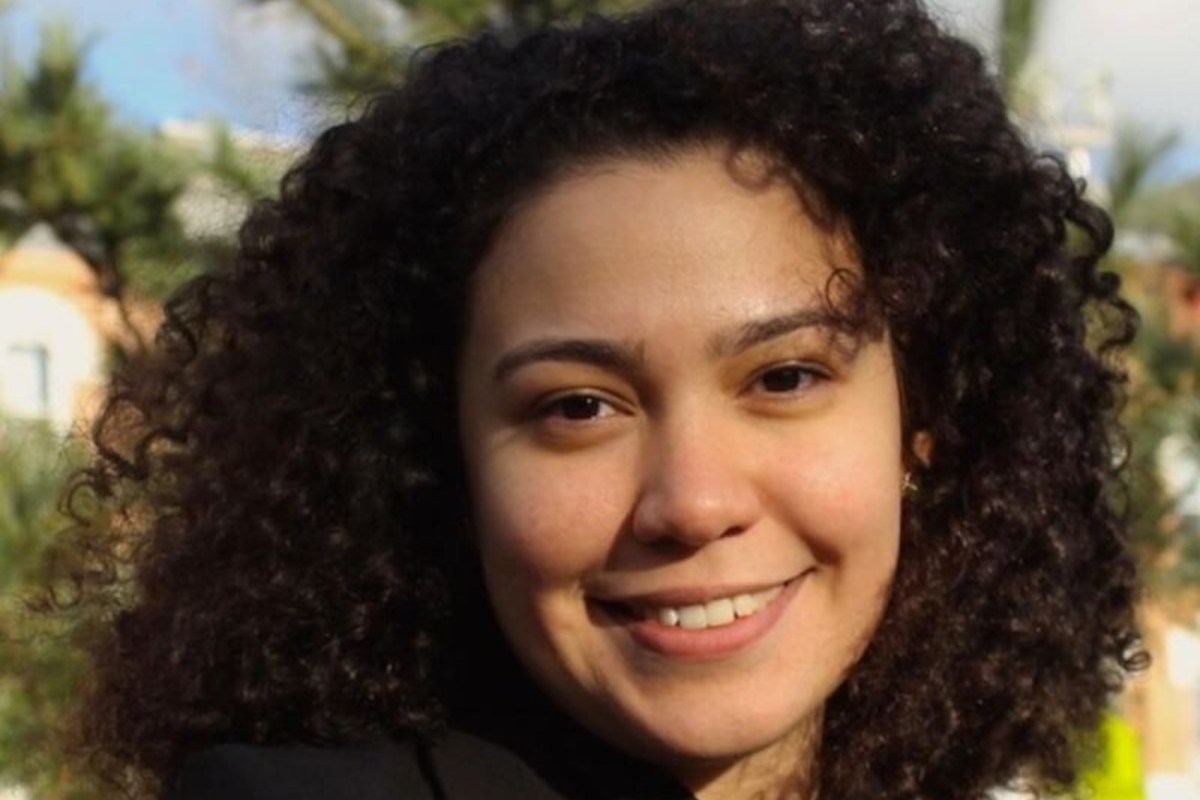
According to Gothamist, the position will sit within the Mayor's Office of Climate and Environmental Justice. Energy expert Annel Hernandez will fill the role.
Gothamist said Hernandez will work with city agencies, community groups, and other stakeholders on two fronts: limiting rising energy costs and supporting the city's clean energy transition.
The mayor's office said New York's energy rates rank among the nation's highest.
At meetings of the state's Public Service Commission, which decides utility rate increases, Hernandez is expected to serve as the mayor's eyes and ears. She'll also help draw more public participation in hearings on future rate hikes, Gothamist reported.
The new appointment follows this year's approval of a three-year rate increase for Con Edison.
TCD Picks » Quince Spotlight
💡These best-sellers from Quince deliver affordable, sustainable luxury for all




That change raised average monthly energy bills this year by about $4 for electricity customers and $11 for gas customers.
Why does it matter?
For many residents, utility bills are becoming a larger and less predictable part of the household budget.
Nearly one-third of residents are considered energy insecure, and the city comptroller's office says cooling costs in New York City have climbed over 50% over the past decade.
When power bills rise, families may be forced to choose between keeping their homes safely cooled and paying for other essentials like groceries, medicine, or rent. Rising costs also add pressure to the city's broader climate goals.
Moving toward cleaner energy is partially an environmental issue, but affordability can determine whether residents are actually able to benefit from that transition.
If costs keep rising without stronger consumer protections, public support for those changes can erode.
New York's move reflects a broader challenge playing out in cities across the country: how to modernize energy systems without leaving residents to foot the bill.
What's being done?
Hernandez will aim to boost sign-ups for programs that help residents afford their utility bills, including discount offerings from Con Edison and National Grid, according to Gothamist.
The state recently committed an additional $1 billion to broaden those programs, extending assistance to ratepayers with household incomes below $150,000.
The city's new advocate role could help close a gap that often exists between utility regulators and the people most affected by their decisions.
By bringing more residents into the process and pushing for affordability alongside cleaner energy, the city is creating people-focused utility policy.

Get TCD's free newsletters for easy tips, smart advice, and a chance to earn $5,000 toward home upgrades. To see more stories like this one, change your Google preferences here.